Modern Modular Construction: Smarter Solutions for Flexible Spaces
Author : Pratt Homes | Published On : 14 Nov 2026
1. Understanding the Growing Importance of Modular Construction
Imagine creating a fully functional building in significantly less time without compromising essential quality standards. This possibility has made modular construction an increasingly valuable approach for businesses, institutions, and property developers. Instead of completing every construction activity at a traditional building site, modular projects involve manufacturing individual building sections in controlled environments before transporting them for installation. Companies exploring modern construction solutions often consider Pratt Modular when evaluating efficient building methods. This approach offers opportunities to improve project coordination, reduce unnecessary delays, and create spaces that accommodate different operational requirements.
2. How Modular Building Methods Improve Efficiency
Traditional construction projects can experience delays caused by weather conditions, material availability, and coordination between different contractors. Modular construction addresses several of these challenges by allowing building components to be manufactured while site preparation takes place. This overlapping process can shorten overall project schedules when properly planned. Businesses researching Pratt Modular can better understand how prefabricated building methods support organized construction and efficient resource management. Factory-based production also allows repeated processes to follow consistent procedures, helping project teams monitor quality, manage materials, and maintain greater control over important construction activities.
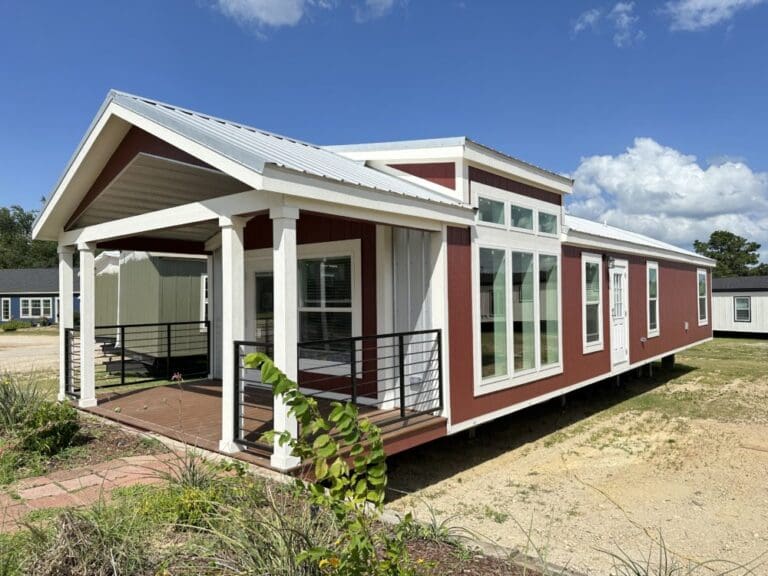
3. Quality Control and Precision in Modular Buildings
Quality remains an essential consideration in every construction project, regardless of the building method selected. Modular manufacturing provides a controlled production environment where materials, measurements, and assembly procedures can be monitored throughout the process. This organized setting can help reduce certain inconsistencies associated with changing outdoor conditions. Careful inspections at different manufacturing stages also allow potential concerns to be identified before modules reach the construction site. However, successful results still depend on appropriate engineering, qualified professionals, suitable materials, and compliance with applicable building codes. Thorough planning ensures that efficiency does not replace essential safety and performance standards.
4. Flexible Building Solutions for Different Requirements
One important advantage of modular construction is its ability to accommodate a wide range of building purposes. Educational facilities, healthcare spaces, commercial offices, temporary accommodation, and specialized work environments may benefit from modular layouts. Businesses considering Pratt Modular can explore how different configurations support changing operational needs. Depending on project requirements, modules can be designed with specific room arrangements, functional features, and practical facilities. This flexibility makes modular construction worth considering for organizations that need adaptable spaces without approaching every project through conventional building methods.
5. The Importance of Planning and Professional Coordination
Successful modular projects require careful coordination before manufacturing begins. Architects, engineers, contractors, and property representatives must establish clear requirements regarding dimensions, materials, transportation, installation, and building regulations. Choosing suitable Pratt Modular solutions involves understanding the intended purpose of the structure and the practical conditions of its installation site. Transportation routes, foundation preparation, utility connections, and access requirements should also be considered during early planning. Addressing these details helps reduce unexpected complications and supports a smoother transition from factory production to final building installation.
6. Sustainability and Responsible Material Management
Sustainability has become an important consideration in modern construction, encouraging developers to examine how materials and resources are used. Modular manufacturing can support more organized material management because production activities take place in controlled facilities. Accurate planning may reduce unnecessary offcuts, material damage, and construction waste. Shorter installation periods can also limit certain activities at the building site. Nevertheless, the environmental impact of any project depends on material selection, transportation distances, energy consumption, and building performance. Evaluating these factors helps developers make informed decisions while balancing environmental considerations with practical construction requirements.
7. Long-Term Value and Adaptability of Modular Spaces
A building should provide practical value beyond its initial installation. Modular spaces can offer advantages when organizations require facilities that accommodate changing operational demands. Depending on their design and construction, certain modular structures may be expanded, reconfigured, relocated, or adapted for different purposes. Proper maintenance remains essential for preserving structural condition, safety, and functionality over time. Developers should consider expected occupancy, future space requirements, maintenance responsibilities, and applicable regulations before selecting a modular solution. A thoughtful approach helps ensure that the finished building remains useful and suitable for its intended purpose.
8. Conclusion: Building the Future Through Modern Construction
Modular construction represents a practical development in the way buildings can be planned, manufactured, and installed. Its emphasis on controlled production, coordinated scheduling, flexible layouts, and organized resource management makes it an option worth evaluating for many projects. Careful engineering and professional planning remain essential for achieving dependable results. For organizations interested in exploring modern building possibilities, Prattmodular offers an opportunity to learn more about modular construction solutions. Selecting the right approach requires balancing project requirements, quality expectations, available resources, and long-term building objectives.
