Modern Living Room Design Ideas for Indian Homes in 2026
Author : DLIFE Home Interiors | Published On : 16 Oct 2026
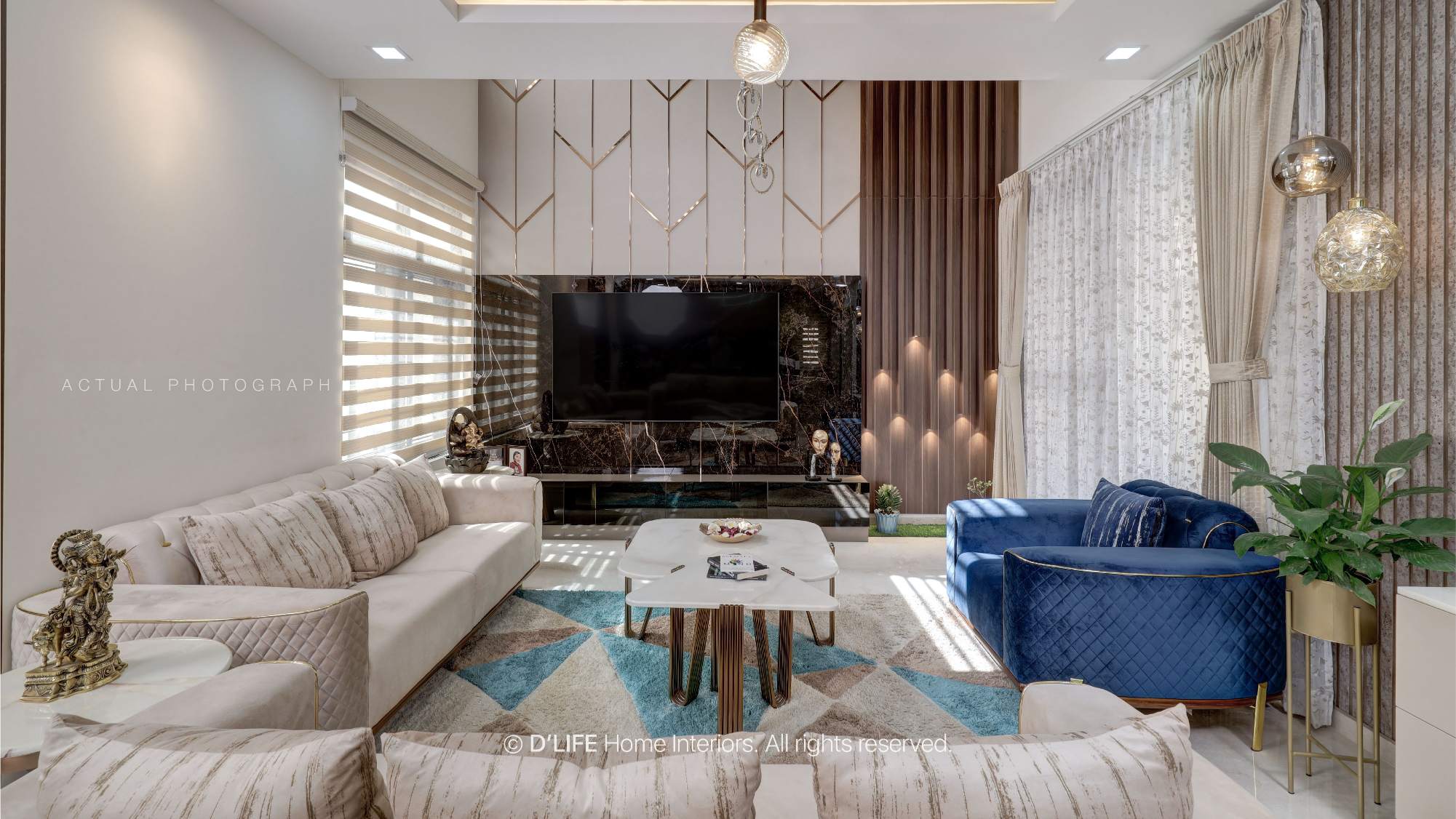
A well-designed living room should reflect the way a family lives, not just the latest interior trends. From comfortable seating and smart storage to natural lighting and carefully selected finishes, every element contributes to a functional and inviting space. Homeowners looking for inspiration can explore modern approaches offered by interior designers in Chennai, where contemporary aesthetics meet practical requirements such as compact apartment layouts, sunlight control, and everyday comfort. In 2026, living room design focuses on creating balanced interiors that combine visual appeal, personal expression, and long-term usability. Our interior designers in Ahmedabad compiled these design ideas for you to design the perfect home in 2026.
Embrace Warm Minimalism for a Timeless Interior
Modern minimalism has moved beyond plain white walls and sparsely furnished rooms. Warm minimalism combines uncluttered layouts with natural textures, earthy colours, and comfortable furnishings. This approach creates a sophisticated atmosphere without making the living room feel impersonal or unfinished.
-
Choose warm white, beige, sand, or muted earthy shades for the main colour palette.
-
Introduce wooden furniture or wood-finish panels to soften contemporary surfaces.
-
Keep decorative accessories selective, using artwork, ceramics, or indoor plants for character.
-
Combine simple furniture silhouettes with textured upholstery to create visual depth.
-
Maintain open space around furniture to improve movement and balance.
Plan Smart Layouts for Compact Indian Living Rooms
Urban apartments often require living rooms to accommodate entertainment, relaxation, and family gatherings within limited floor space. A thoughtful layout can improve functionality without expensive structural changes. The objective is to make the room feel organised while ensuring that furniture doesn't obstruct movement or natural light.
-
Select a sofa that suits the room's dimensions rather than choosing an oversized design.
-
Use nesting tables or compact side tables when flexibility matters.
-
Consider wall-mounted television units to free up floor space.
-
Choose furniture with concealed storage to reduce visible clutter.
-
Preserve clear pathways between entrances, windows, and adjoining rooms.
Introduce Natural Materials and Textured Finishes
Contemporary interiors benefit from materials that add warmth and character. Wood, stone, cotton, linen, and textured wall finishes help balance the smooth surfaces commonly found in modern furniture. Combining these materials thoughtfully creates a layered appearance without depending on excessive decoration.
-
Use timber finishes on shelves, consoles, or selected wall panels.
-
Consider stone-textured surfaces for a restrained feature wall.
-
Introduce cotton or linen-blend cushions for a softer visual effect.
-
Combine matte finishes with a limited number of reflective surfaces.
-
Choose materials according to durability, maintenance requirements, and household routines.
Create a Layered Lighting Scheme
Lighting influences the room's atmosphere, the appearance of colours, and the comfort of everyday activities. A single ceiling fixture rarely provides the flexibility needed for different situations. Combining general, accent, and task lighting allows the living room to adapt throughout the day.
-
Install general lighting that illuminates the room evenly.
-
Add floor lamps or table lamps beside seating areas.
-
Use concealed LED lighting to highlight selected shelves or architectural details.
-
Choose warm-toned lighting for relaxation zones and suitable task lighting for reading.
-
Make use of daylight while controlling glare through appropriate window treatments.
Choose Colours That Complement Modern Indian Homes
A balanced colour palette can make a living room feel connected and visually spacious. Neutral foundations provide flexibility, while carefully selected accent shades introduce personality. In 2026, combinations of warm neutrals, natural greens, terracotta, muted blues, and deeper browns offer adaptable options for contemporary homes.
-
Use neutral colours on larger surfaces to establish a balanced foundation.
-
Introduce stronger shades through cushions, artwork, rugs, or accent chairs.
-
Repeat selected colours across different elements to create visual continuity.
-
Test paint samples under the room's actual lighting conditions.
-
Consider how sunlight changes the appearance of fabrics and finishes throughout the day.
Integrate Smart Technology Without Visual Clutter
Technology can make a modern living room more convenient, but it should support the design rather than dominate it. Planning electrical connections, device placement, and cable management early helps maintain a clean appearance while leaving room for future upgrades.
-
Plan electrical outlets and charging points before finalising furniture placement.
-
Use concealed cable management for televisions and entertainment systems.
-
Consider smart lighting controls for adjusting brightness throughout the day.
-
Explore automated curtains when sunlight control and convenience justify the investment.
-
Select technology that addresses genuine household needs instead of adding unnecessary features.
Design Comfortable Seating and Entertainment Zones
A living room should support conversation, relaxation, and entertainment without feeling crowded. Furniture proportions and positioning influence how comfortably people use the space. The best arrangement balances visual harmony with practical considerations such as viewing angles and movement.
-
Choose sofas with supportive cushions and a seat depth suited to regular use.
-
Arrange seating to encourage conversation rather than directing every seat towards the television.
-
Position the television at a comfortable height and viewing distance.
-
Use an appropriately sized rug to visually connect the seating arrangement.
-
Add flexible seating for guests without permanently occupying valuable floor space.
Add Personality Through Art, Textiles, and Greenery
A modern living room shouldn't feel like a furniture showroom. Artwork, indoor plants, handcrafted accessories, and carefully chosen textiles introduce character while connecting the interior with the people who use it. Selective styling often creates a stronger impression than filling every available surface.
-
Display artwork in proportion to the wall and surrounding furniture.
-
Introduce indoor plants suited to the available daylight and maintenance routine.
-
Use cushions and curtains to add texture without overcrowding the colour palette.
-
Incorporate handcrafted accessories that complement the overall design.
-
Leave some shelves and tabletops uncluttered to preserve visual breathing space.
Adapt the Design to Local Climate and Lifestyle
A living room should respond to its environment as well as its occupants. Sunlight exposure, humidity, ventilation, privacy, and maintenance needs all influence the suitability of materials and furnishings. Planning around these conditions helps create interiors that remain comfortable throughout the year.
-
Select curtains or blinds according to sunlight exposure and privacy requirements.
-
Choose fabrics and finishes that suit the home's ventilation and maintenance needs.
-
Keep windows and ventilation points clear when arranging large furniture.
-
Consider durable materials for frequently used seating and high-traffic areas.
-
Balance visual appeal with ease of cleaning and long-term performance.
Bringing Contemporary Living and Everyday Comfort Together
Modern living room design combines thoughtful space planning, comfortable furnishings, suitable lighting, durable materials, and personal details into a cohesive environment. Each decision should support the household's routines while maintaining a consistent visual identity. By balancing contemporary aesthetics with practical requirements, homeowners can create living spaces that remain inviting, functional, and adaptable for years to come. With the guidance of experienced interior designers in India, it becomes easier to develop interiors that reflect individual preferences while meeting the evolving demands of modern Indian living.
