Mitigating Legal Exposure: Compliance Strategies for Changing Building Codes
Author : Shawn Fisher | Published On : 22 Sep 2026
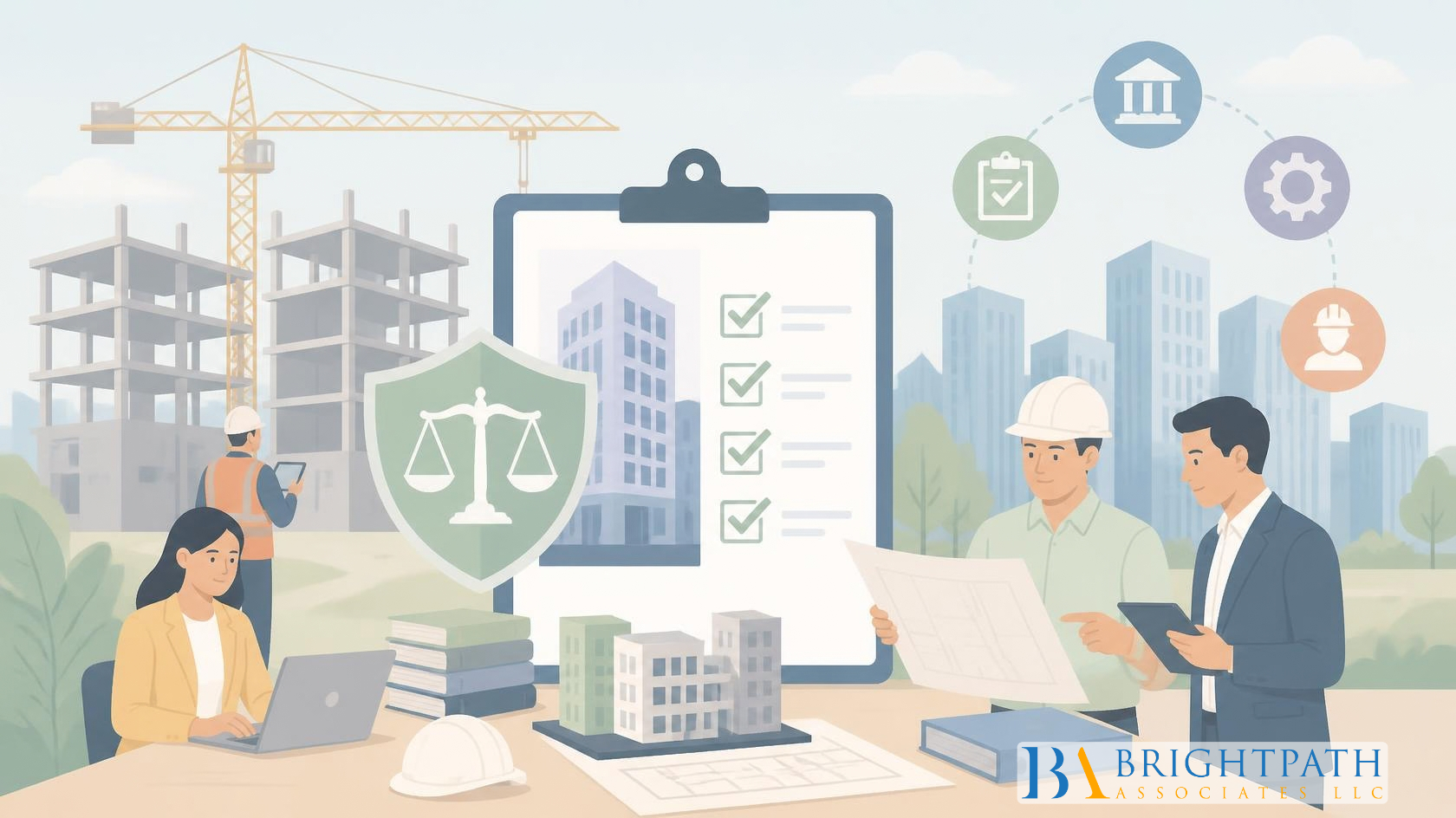
For building materials companies, compliance is no longer something that can be addressed only when a new regulation takes effect. Building codes, standards, testing requirements, energy provisions, fire-safety expectations, and local amendments continue to evolve, creating a moving target for manufacturers and suppliers.
The challenge is particularly significant for small and mid-sized companies. A large manufacturer may have dedicated regulatory, engineering, legal, and compliance teams monitoring changes across multiple jurisdictions. Smaller organizations often depend on a limited number of technical and operational leaders to interpret requirements, update products, communicate changes, and protect the company from unnecessary legal exposure.
That makes regulatory awareness a strategic business capability rather than simply an administrative responsibility.
Why Changing Building Codes Create Business Risk
Building codes directly influence the materials and products that can be used in construction. Requirements may affect structural performance, fire resistance, energy efficiency, accessibility, moisture management, installation methods, and other characteristics.
The 2024 International Building Code, for example, includes requirements relating to construction classifications, fire-resistance ratings, structural provisions, building services, and updated approaches to evaluating alternative materials and methods.
But model codes do not automatically translate into identical requirements everywhere. States and local jurisdictions can adopt, amend, or phase in codes differently. This creates a critical challenge for manufacturers selling into multiple markets: a product that satisfies requirements in one jurisdiction may require additional documentation, testing, labeling, or evaluation in another.
Compliance Must Begin Before Product Launch
One of the most effective ways to reduce compliance risk is to move regulatory thinking earlier in the product-development process. Instead of developing a product first and asking whether it complies later, manufacturers can incorporate applicable code requirements into product design, testing, documentation, and quality processes from the beginning.
This approach can prevent expensive redesigns and reduce the possibility that a product reaches the market with incomplete documentation or performance information. It also creates a stronger connection between engineering, product management, quality assurance, regulatory specialists, and commercial teams.
For small and mid-sized manufacturers, this cross-functional coordination can be especially valuable because a single product failure or compliance issue may have a disproportionate impact on reputation, customer relationships, and financial performance.
Build a System for Monitoring Regulatory Change
Regulatory monitoring should not depend on someone occasionally discovering a code update. Companies operating across the U.S. need a structured process for identifying relevant changes, determining when those changes become effective, understanding which products are affected, and assigning responsibility for action.
The International Code Council's current development cycle illustrates how active the code environment remains. ICC reports that the 2026 Group A and B final action results are available, while the broader code-development process continues to evolve.
A practical system can connect regulatory monitoring with product databases, engineering records, testing documentation, sales territories, and customer requirements. When a relevant code changes, the organization should be able to determine quickly which products, markets, specifications, and customers could be affected.
The Talent Behind Effective Compliance
Technology and processes cannot replace knowledgeable people. Building materials companies need professionals who understand technical specifications, construction practices, product testing, regulatory requirements, quality systems, and commercial realities.
That combination is not always easy to find. A regulatory specialist may understand compliance but lack manufacturing experience. An engineer may understand product performance but have limited exposure to regulatory strategy. A commercial leader may understand customers but not the technical implications of a code change.
This is particularly important for small and mid-sized organizations that cannot afford to maintain large specialized departments. Hiring leaders with cross-functional experience can help companies create stronger compliance systems while supporting product innovation and market expansion. As organizations navigate the evolving Building Materials Industry, the ability to combine technical expertise with regulatory awareness will increasingly influence operational resilience.
From Compliance Reaction to Compliance Readiness
The central lesson is that changing building codes should not be treated solely as a legal or regulatory problem. They can influence product design, manufacturing, testing, documentation, sales, customer relationships, project timelines, and organizational reputation.
Companies that wait until a requirement becomes urgent may find themselves reacting under pressure. Companies that monitor changes continuously can evaluate their options earlier and make more deliberate decisions.
The broader issue is explored in Mitigating Legal Exposure: Compliance Strategies for Changing Building Codes, where the relationship between evolving requirements and business risk becomes especially important for organizations operating in a highly regulated construction environment.
What Should Building Materials Leaders Do Next?
The next generation of compliance will require more than maintaining a checklist. Companies will need connected processes, reliable technical documentation, regulatory intelligence, and leaders capable of translating complex requirements into business decisions.
For small and mid-sized building-materials companies, that can become a significant strategic capability. If the answer is uncertain, the issue may not be the absence of compliance resources—it may be the absence of the right systems and leadership expertise.
BrightPath Associates LLC helps growing organizations identify executive and specialized talent capable of navigating complex technical, operational, regulatory, and business challenges. As building codes continue to evolve, having the right people in place can help companies move from reactive compliance toward long-term readiness.
