Mini Dress and Vest Romper: How to Style Them for Different Body Types
Author : Jack Wilson | Published On : 12 Aug 2026
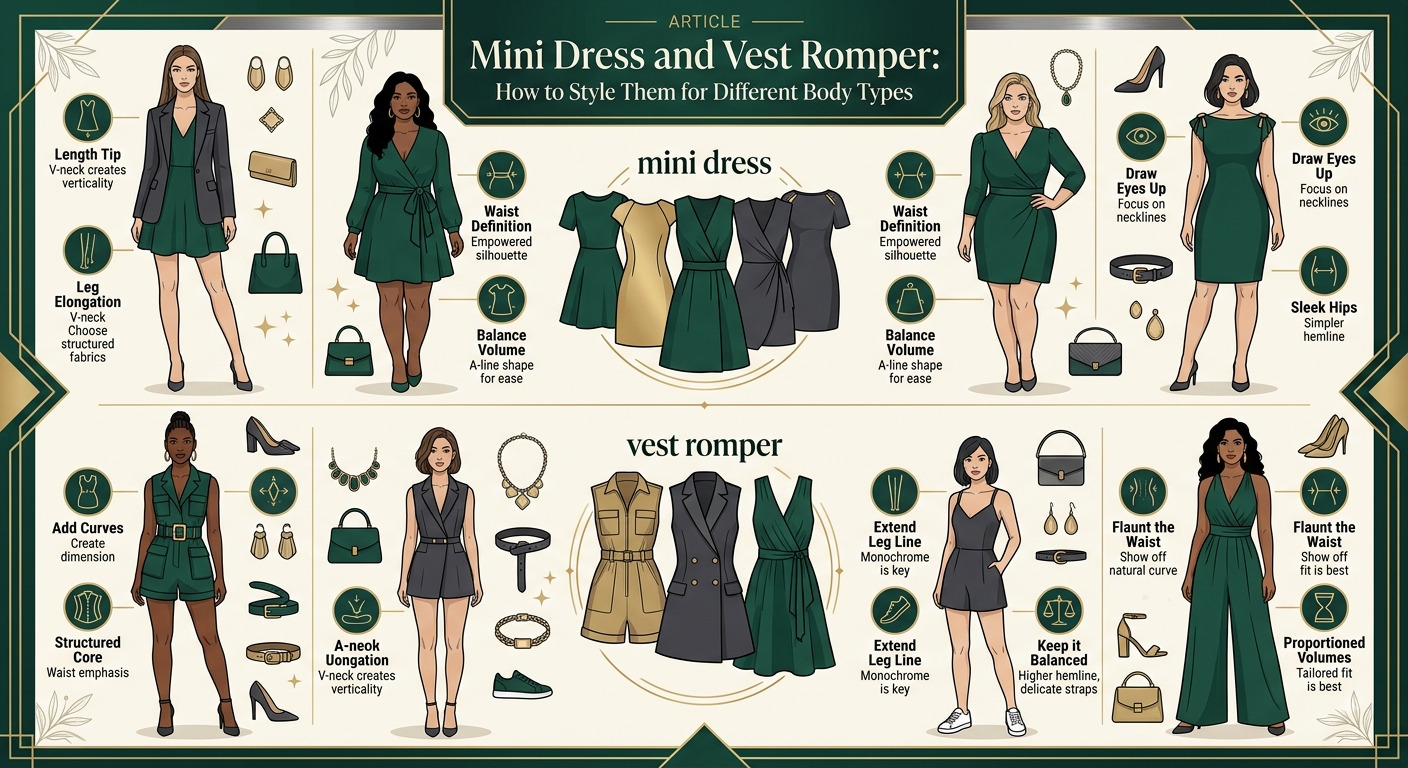
Small changes can make a big difference. The right neckline can change the balance of an outfit, while the placement of a waistline can affect how a one-piece garment sits on the body. This guide explains practical ways to style a mini dress and vest romper for different body types while keeping comfort, personal taste, and everyday wearability in mind.
Understanding Your Shape Before Choosing a Mini Dress
Before choosing a mini dress, think about the areas you naturally like to highlight and the areas where you prefer more coverage. Some people enjoy showing their legs, while others prefer attention around the shoulders, waist, or neckline. There is no single correct way to dress a particular body shape. The most useful starting point is understanding your proportions and choosing clothing that makes you feel comfortable when you move, sit, and walk.
The length and cut of a mini dress can change how the whole outfit looks. A straight shape creates a simple, relaxed line, while a more fitted waist can give the outfit a more defined shape. A slightly loose design can provide extra movement and comfort. When trying different styles, look at the full outfit rather than focusing on one body area. Balance usually comes from the relationship between the dress, shoes, and accessories.
Choosing a Mini Dress for Curvier Body Shapes
For curvier figures, a mini dress with a clear waistline can create a balanced appearance without feeling restrictive. Wrap-inspired shapes, softly fitted waists, and dresses with some room around the hips can work well. The fabric should follow the body without pulling across the chest or hips. A comfortable fit is more important than choosing a smaller size simply because the dress is meant to be fitted.
Necklines can also affect the overall balance of a mini dress. A V-shaped neckline can create a longer visual line through the upper body, while a square neckline can provide a more structured appearance. If you prefer additional coverage, a higher neckline can work just as well. The main goal is to choose a shape that matches your personal comfort rather than following fixed fashion rules.
Styling a Vest Romper for Curvier Figures
A vest romper can be a practical option for curvier body shapes when the waist and shorts provide enough room for comfortable movement. Look for a style that does not pull across the hips or chest. Adjustable straps can be useful because they allow you to change the fit around the upper body. A defined waist can also help create a clear transition between the top and shorts.
Fabric choice matters when wearing a vest romper. A material with some natural movement can sit more comfortably across the body than a very stiff fabric. If you want more definition around the waist, a simple belt can help, provided the romper already has enough room for it. If you prefer a relaxed appearance, leave the waist unbelted and let the garment follow its natural shape.
Finding the Right Mini Dress for Petite Frames
Petite figures can benefit from a mini dress with a shorter overall line and a proportionate neckline. Very long sleeves, oversized collars, or large pockets can sometimes dominate a smaller frame. A simple design with details placed closer to the body's natural proportions may create a more balanced outfit. This does not mean avoiding larger details completely; the key is making sure they feel intentional rather than overwhelming.
Shoe choice can also change the appearance of a mini dress on a petite frame. Shoes with a low profile can keep the outfit looking light, while a modest heel can add some height if that is your preference. Avoid choosing shoes only because they make you appear taller if they are uncomfortable. A petite frame can carry many different dress styles, so comfort and proportion should guide the final decision.
How to Wear a Vest Romper on a Petite Frame
A vest romper can work especially well on a petite frame because its one-piece construction creates one continuous line. A higher waist can make the legs appear longer, while shorts that finish at a comfortable point can help maintain balanced proportions. Avoid choosing a romper that is so oversized that the body becomes hidden inside the garment. A relaxed fit is fine, but the shoulders and waist should still sit in the right places.
The neckline of a vest romper also deserves attention. A simple V-neck or open neckline can create more space around the upper body, while a higher neckline can give a cleaner, more covered appearance. If the romper has a strong pattern, keeping the rest of the outfit simple can help maintain balance. A small handbag and streamlined shoes can complete the look without adding unnecessary visual weight.
Styling a Mini Dress for Taller Body Types
Tall figures can wear a wide range of mini dress styles, including designs with longer sleeves, stronger patterns, and more noticeable details. If you have a longer torso, a dress with a lower waistline or natural waist placement may sit more comfortably. Pay attention to the actual length of the dress as well. A mini dress should provide enough coverage for walking and sitting without requiring constant adjustment.
Longer arms and legs can also make bold details feel well balanced. Statement sleeves, larger collars, or wider belts may work naturally on a taller frame. However, simple designs can look just as good. If you prefer a minimal outfit, choose a clean mini dress and let the fit provide the main structure. There is no need to add extra details simply because you have a taller body shape.
Choosing a Vest Romper for Taller Figures
A vest romper can be especially useful for taller people when the torso and shorts are long enough to provide a comfortable fit. One of the most important details is the rise between the waist and the shorts. If the rise is too short, the romper may feel tight or pull in uncomfortable places. Adjustable straps can help, but the basic proportions still need to work with your body.
Taller frames can also carry wider belts, larger bags, and stronger footwear without the accessories taking over the outfit. If you prefer a simple appearance, however, there is no need to add these details. A clean romper with comfortable sandals or sneakers can look complete on its own. The best fit should allow you to sit, walk, bend, and move your arms without feeling restricted.
Balancing Broad Shoulders with a Mini Dress
If you have broader shoulders, a mini dress can be styled to create balance between the upper and lower body. Dresses with a simple neckline and a little more volume around the skirt can create a balanced shape. An A-line skirt is one practical option because it gradually moves away from the waist rather than staying close to the hips and legs.
You can also use accessories to guide attention around the outfit. A handbag worn at the side or a pair of simple earrings can add detail without making the shoulders the main focus. If you prefer fitted dresses, choose one that follows your shape comfortably instead of pulling across the upper body. Confidence comes from wearing a fit that allows natural movement.
Making a Vest Romper Work with Different Proportions
A vest romper can be adjusted to suit different proportions through waist placement, neckline, shorts length, and layering. If your upper body is longer, a slightly higher waist can help create balance. If your legs are longer, a lower waist may feel more natural. The important thing is to check where the garment actually sits on your body rather than relying only on the size printed on the label.
Layering can also change the appearance of a romper. A lightweight shirt underneath can add coverage and create a different visual line, while a short jacket can bring attention toward the waist. These options make a vest romper useful across seasons and settings. When adding layers, make sure they do not bunch around the waist or shoulders, as this can make the outfit feel uncomfortable.
Using Color and Fabric to Shape Your Outfit
Color can influence how a mini dress looks on different body shapes, although personal preference should always come first. One-color outfits create a continuous visual line, while contrasting colors can divide the body into separate sections. If you want a simple appearance, a single shade or subtle pattern can work well. If you enjoy stronger styling, contrasting shoes or accessories can provide a clear focal point.
Fabric also affects how clothing sits on the body. Soft fabrics may follow natural curves, while structured materials can create a more defined outline. For a vest romper, fabric with some movement can make walking and sitting more comfortable. With either piece, avoid selecting material only for appearance. Consider the weather, how long you will wear the outfit, and how easily you can move.
Choosing Shoes and Accessories for Your Body Shape
Shoes can change the proportions of a mini dress without changing the dress itself. Sneakers can create a casual appearance, while flats, sandals, or heels can make the same dress suitable for different occasions. The best choice depends on where you are going and how much walking you expect to do. A comfortable shoe that works with the dress will usually be more useful than footwear chosen only for appearance.
The same idea applies to a vest romper. A compact bag can keep the outfit simple, while a larger shoulder bag may create more visual balance with a relaxed romper. Belts can define the waist when the garment allows them, while simple jewelry can draw attention toward the face. Accessories should support the outfit rather than make you feel uncomfortable or distracted throughout the day.
Making Comfort the Main Part of Good Fit
A well-styled mini dress should allow you to move naturally. Before wearing one outside, sit down, walk around, raise your arms, and check whether the hem stays comfortable. If you constantly need to pull the dress down or adjust the neckline, the fit may not be right for you. Choosing another cut or size can make the difference between an outfit that looks good on a hanger and one that feels good in real life.
A vest romper should pass the same practical test. Check the shoulders, waist, chest, rise, and shorts before wearing it for a full day. You should be able to sit comfortably without the fabric pulling tightly. If the garment feels restrictive in one area, try another cut rather than forcing the fit. Clothes should work with your body, not make you spend the day adjusting them.
Conclusion
Styling a mini dress or vest romper for different body types does not require following strict fashion rules. The most useful approach is to understand your proportions, pay attention to fit, and choose details that make you feel comfortable. A mini dress can be adjusted through neckline, waist placement, skirt shape, length, shoes, and accessories. A vest romper offers similar flexibility through its waist position, shorts length, neckline, fabric, and layering options.
Petite, tall, curvy, or broader-shouldered figures can all wear these styles successfully when the proportions feel right. Instead of focusing on what you are supposedly allowed to wear, pay attention to how the clothing fits and moves with you. A mini dress and vest romper can both become practical wardrobe pieces when chosen with comfort, personal taste, and everyday movement in mind.
