Mercury Outboard Motor Repair: What to Expect During a Professional Inspection
Author : Eastern Marine Engineering Services | Published On : 24 Nov 2026
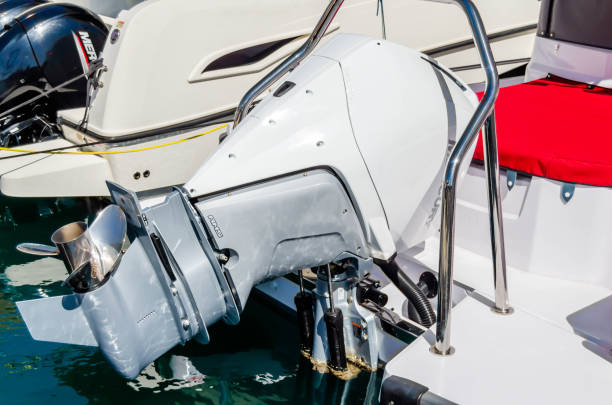
A reliable outboard engine is essential for safe and enjoyable boating. Regular inspections help identify developing faults, maintain engine performance, and reduce the risk of unexpected breakdowns while travelling on the water. Understanding what happens during mercury outboard motor repair can help boat owners prepare for a professional inspection and make informed decisions about maintenance. From checking the fuel system to testing electrical components, a thorough inspection examines several important areas to ensure the engine operates safely and efficiently.
Why Is a Professional Outboard Motor Inspection Important?
An outboard motor operates in a demanding marine environment. Exposure to saltwater, moisture, vibration, changing temperatures, and regular use can gradually affect its components. Even when an engine appears to run normally, hidden problems may develop over time.
A professional inspection helps identify early warning signs before they become expensive repairs. It also provides an opportunity to assess the overall condition of the engine and determine whether any components need cleaning, adjustment, or replacement.
Preventing Unexpected Engine Problems
Small issues, such as a blocked fuel filter or worn spark plug, can eventually cause starting difficulties, poor acceleration, or engine stalling. Identifying these problems early can prevent further damage and improve reliability.
Maintaining Safe Boating Conditions
An engine that overheats, loses power, or operates inconsistently can create safety concerns, particularly when boating far from shore. Regular inspections help ensure important systems are functioning correctly before the next trip.
Supporting Long-Term Engine Performance
Routine checks can reduce unnecessary wear and help maintain consistent performance. They also provide useful information about the engine's maintenance requirements and overall condition.
What Happens During the Initial Engine Assessment?
A professional inspection usually begins with a general assessment of the outboard motor. The technician gathers information about its operating condition, maintenance history, and any problems reported by the boat owner.
Reviewing Engine History and Symptoms
The technician may ask questions about when the problem started, how frequently it occurs, and whether it appears under particular operating conditions.
Common concerns include:
-
Difficulty starting the engine
-
Unusual knocking or rattling sounds
-
Reduced acceleration or engine power
-
Excessive fuel consumption
-
Overheating during operation
-
Rough idling or unexpected stalling
-
Unusual exhaust smoke
-
Warning lights or engine alarms
This information helps narrow down possible causes and guides the inspection process.
Checking the General Condition
The technician examines the engine exterior for visible damage, corrosion, loose fittings, damaged wiring, and signs of fluid leakage. They may also inspect mounting points, covers, hoses, and accessible connections.
A general assessment can reveal problems caused by ageing, poor maintenance, accidental impact, or prolonged exposure to harsh marine conditions.
Inspecting the Fuel System
The fuel system plays an important role in delivering the correct amount of fuel to the engine. Contamination, restricted flow, or damaged components can affect starting, acceleration, and overall efficiency.
Examining Fuel Lines and Connections
The technician checks fuel hoses, clamps, connectors, and other accessible components for cracks, leaks, deterioration, or loose connections. Damaged fuel lines can allow air into the system or create fuel leakage risks.
Checking Fuel Filters
Fuel filters help prevent dirt, water, and other contaminants from reaching sensitive engine components. A blocked or contaminated filter can restrict fuel flow and cause inconsistent operation.
Depending on the inspection findings, the technician may recommend cleaning or replacing the filter.
Assessing Fuel Quality
Old or contaminated fuel can contribute to poor engine performance and starting difficulties. The technician may check for water contamination, sediment, or other signs of fuel deterioration.
Using clean fuel and following suitable storage practices can help reduce future problems.
Checking the Electrical and Ignition Systems
The electrical system supports engine starting, ignition, charging, and several monitoring functions. Problems in this area can cause intermittent faults or prevent the engine from starting altogether.
Inspecting the Battery and Connections
The technician checks the battery condition, terminals, cables, and electrical connections. Loose or corroded terminals can interrupt power delivery and create starting problems.
Battery voltage and charging performance may also be tested to determine whether the battery and charging system are operating within the required specifications.
Examining Spark Plugs
Spark plugs produce the ignition needed for combustion. Worn, fouled, or damaged plugs can contribute to misfiring, rough idling, reduced power, and difficult starting.
The technician may inspect the spark plugs for deposits, wear, and signs of abnormal combustion. Replacement may be recommended when their condition or service interval requires it.
Testing Wiring and Ignition Components
Electrical wiring, switches, connectors, and ignition-related components may be examined for corrosion, damaged insulation, loose connections, or other faults. Appropriate diagnostic equipment can help identify problems that are not immediately visible.
Inspecting the Cooling System
An effective cooling system prevents excessive engine temperatures and protects internal components from heat-related damage. Cooling problems should be addressed promptly because continued overheating can lead to serious mechanical issues.
Checking Water Flow
The technician examines the water intake areas for blockages caused by weeds, sand, debris, or marine growth. Restricted water flow can reduce cooling effectiveness.
The cooling water outlet may also be checked to confirm that water is circulating as expected.
Examining the Water Pump
The water pump helps circulate cooling water through the engine. Its impeller and related components can wear over time, particularly when exposed to debris or operated without an adequate water supply.
A technician may inspect the pump condition and recommend servicing or replacement if signs of wear or damage are found.
Looking for Signs of Overheating
Discolouration, unusual smells, warning alarms, and other visible signs may indicate excessive engine temperature. The technician investigates possible causes and checks relevant cooling components before recommending repairs.
Examining the Propeller and Lower Unit
The propeller and lower unit transfer engine power to the water. Damage or wear in this area can affect handling, acceleration, and overall operating efficiency.
Checking the Propeller
The propeller is inspected for bent blades, cracks, dents, corrosion, and fishing line wrapped around the shaft. Even minor damage can create vibration and reduce performance.
The technician may also check whether the propeller is suitable for the boat and its typical operating requirements.
Inspecting the Gearcase
The lower unit contains important drive components that require proper lubrication and protection. The technician may check the gearcase housing, seals, and drain areas for signs of damage or leakage.
The gear lubricant may also be examined for unusual colour, water contamination, or metal particles. These signs can indicate internal wear or a possible seal problem.
Using Diagnostic Equipment to Identify Faults
Modern outboard engines may contain electronic control systems that monitor engine operation and record fault information. A professional inspection may include connecting suitable diagnostic equipment to retrieve stored fault codes and operating data.
Reading Fault Codes
Fault codes can help identify problems involving sensors, temperature monitoring, ignition, fuel delivery, or other engine systems. However, a fault code does not always identify the exact component that needs replacement.
The technician must interpret the information alongside physical checks and testing.
Evaluating Engine Performance
Depending on the symptoms, further testing may be required to assess engine operation. This can include checking compression, fuel pressure, charging output, or other measurements specified by the manufacturer.
These tests help determine whether the problem is electrical, mechanical, or related to fuel delivery.
Receiving the Inspection Findings and Repair Recommendations
After completing the inspection, the technician explains the findings and outlines any work that may be necessary. This is an important stage because it helps boat owners understand the engine's condition and decide how to proceed.
Understanding Urgent and Preventive Repairs
Not every inspection finding requires immediate replacement. Some issues may affect safety or engine operation and need urgent attention, while others can be monitored or addressed during scheduled maintenance.
Ask the technician to explain which problems require immediate action and which can be planned for a later service.
Reviewing Repair Costs and Parts
Before approving additional work, request an explanation of the recommended repairs, expected costs, parts required, and estimated completion time. Clear communication helps avoid misunderstandings and makes it easier to prioritise essential work.
Confirming Testing After Repairs
Once repairs are completed, the engine may need further checks to confirm that the original problem has been resolved. Depending on the work performed, this could include starting tests, diagnostic checks, or operational testing under suitable conditions.
How to Prepare Your Boat for a Professional Inspection
Boat owners can make the inspection process more efficient by preparing a few details beforehand.
-
Provide maintenance records: Share previous service dates and information about replaced components.
-
Describe unusual behaviour: Explain when starting, overheating, vibration, or power problems occur.
-
Mention recent incidents: Report impacts, grounding, water exposure, or extended storage.
-
Check fuel information: Tell the technician about the fuel type and any suspected contamination.
-
Discuss intended use: Explain how frequently the boat is used and the conditions in which it operates.
Accurate information helps the technician understand the engine's history and investigate potential problems more effectively.
Conclusion
A professional outboard motor inspection involves much more than checking whether the engine starts. It includes examining the fuel system, ignition components, cooling system, electrical connections, propeller, lower unit, and electronic controls. These checks help identify developing faults, improve reliability, and support safer boating.
Understanding the process involved in mercury outboard motor repair allows boat owners to recognise the value of regular inspections and make better maintenance decisions. By addressing problems early, following recommended service intervals, and keeping accurate maintenance records, boat owners can protect their engines and enjoy more dependable performance on the water.
