Measuring Healthcare Readiness Beyond Beds and Equipment
Author : Daniel Mathew | Published On : 26 Mar 2026
When healthcare readiness is discussed, the conversation usually starts with what can be seen and counted. Number of beds. Availability of equipment. Square footage of facilities. These indicators are easy to track and easy to communicate.
They are also incomplete.
Many healthcare systems appear well prepared on paper and still struggle under pressure. Facilities exist. Equipment is installed. The capacity looks sufficient. Yet when demand rises or complexity increases, systems slow down. Decisions stall. Patients wait. Staff stretched thin.
The gap lies in how readiness is defined.

Why visible infrastructure misleads
Beds and equipment measure presence, not performance. They tell us what a system owns, not how it behaves.
A hospital may have modern equipment but lack trained personnel to operate it consistently. It may have beds available but no governance clarity on how to reallocate them during surges. It may have capacity but lack the authority structures needed to act quickly when conditions change.
In these cases, infrastructure gives a false sense of security.
True readiness is revealed not during calm periods, but when systems face pressure. How fast can decisions be made? How clearly does responsibility flow? How deep is the bench beyond the visible frontline?
These questions matter more than inventories.
Readiness lives in people and process
Healthcare preparedness depends heavily on staffing depth. Not just headcount, but skill mix, experience, and redundancy.
A system that relies on a small number of critical individuals is fragile, regardless of how advanced its equipment may be. When one decision-maker is absent or one specialist is unavailable, delays cascade.
Depth means more than numbers. It means cross-training, succession planning, and the ability to redeploy staff without confusion. Systems with staffing depth absorb shocks quietly. Systems without it amplify disruption.
Process matters just as much. Clear protocols, standardized pathways, and shared operating principles reduce hesitation. When teams know how decisions will be made, they act faster and more confidently.
Readiness, in this sense, is organizational muscle memory.
Governance as a preparedness multiplier
Governance is often discussed as a compliance function. In reality, it is a readiness function.
Good governance clarifies who decides what, when, and how. It sets thresholds for action. It aligns departments so that responses are coordinated rather than sequential.
In healthcare systems with weak governance, decisions slow down precisely when speed matters most. Approvals bottleneck. Accountability blurs. Teams wait for direction that arrives too late.
By contrast, governance-led systems move decisively. Authority is distributed intentionally. Escalation paths are known. Data triggers action rather than debate.
This difference becomes visible during demand surges, staffing shortages, or operational disruptions. Systems with strong governance bend. Others break.
Decision speed as a readiness metric
One of the least measured aspects of healthcare preparedness is decision speed.
How long does it take to add capacity when pressure builds? How quickly can staffing be rebalanced? How fast can procurement adapt to changing needs?
These timelines define real readiness far more accurately than static counts.
Slow decisions turn manageable challenges into crises. Fast, informed decisions prevent escalation.
Decision speed depends on trust, data quality, and governance design. Leaders must have both the information and the authority to act. Teams must understand and support those decisions.
Without this alignment, even well-resourced systems struggle.
Rethinking preparedness metrics
If readiness is more than beds and equipment, metrics must evolve.
Preparedness should be assessed through indicators such as staffing resilience, clarity of governance, speed of escalation, and continuity of care under stress. These are harder to quantify, but they are more predictive.
Systems that track how long it takes to move patients through pathways, how often decisions stall, or where handovers fail, gain deeper insight into their true readiness.
This reframing shifts attention from assets to behaviour.
A system-thinking leadership lens
Jayesh Saini is often associated with a system-thinking approach that reflects this broader definition of readiness. Rather than equating preparedness with physical expansion alone, the emphasis is placed on how systems function as integrated wholes.
From this perspective, infrastructure is necessary but secondary. What matters is whether governance enables coordination, whether staffing models provide depth, and whether leadership structures support timely decision-making.
This system-thinking leadership treats preparedness as an outcome of design, not accumulation.
By focusing on integration and flow, leaders like Jayesh Saini aim to ensure that when pressure arrives, systems respond coherently rather than reactively.
Why Africa’s context makes this urgent
In African healthcare systems, the margin for error is often narrow. Demand growth is steady. Resources must be carefully allocated. External shocks, from disease outbreaks to supply disruptions, are more frequent.
In this context, measuring readiness narrowly is risky.
A facility-heavy approach may look impressive but leave systems vulnerable. A governance- and staffing-focused approach may look less visible but perform better under stress.
This reality explains why some systems appear calm during predictable challenges while others struggle despite similar infrastructure levels.
Preparedness as a leadership choice
Ultimately, healthcare readiness reflects leadership priorities.
Leaders decide whether to invest in depth or only in expansion. They choose whether governance is empowered or symbolic. They shape whether data informs action or merely reports history.
Preparedness improves when leaders value resilience as much as growth.
The leadership approach exemplified by Jayesh Saini underscores this point. By framing healthcare as a long-term system rather than a collection of assets, readiness becomes something that is designed deliberately rather than assumed.
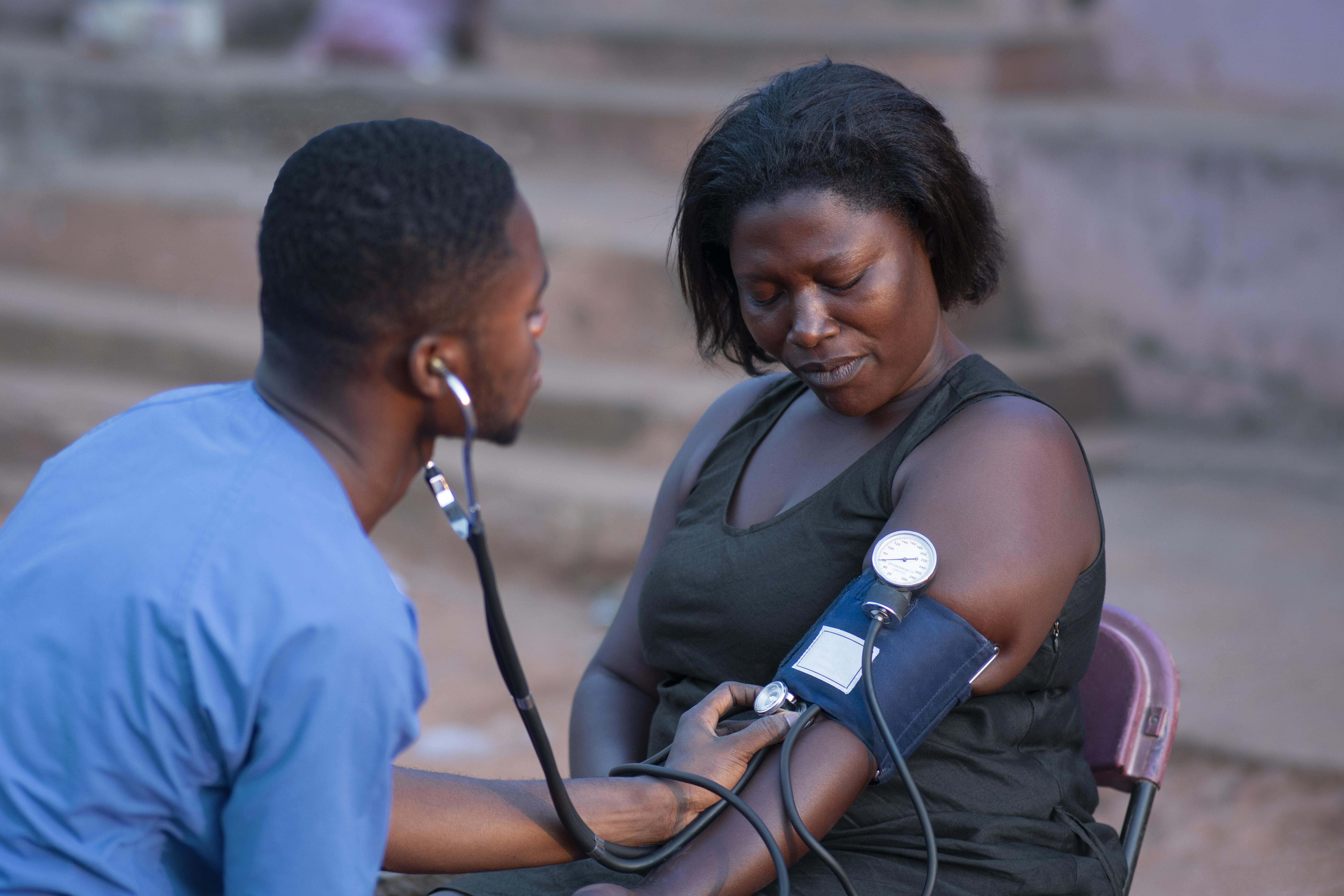
Looking beyond what is visible
Beds and equipment will always matter. They are foundational.
But systems that stop measuring readiness there miss the deeper story. True preparedness lives in people, governance, and the ability to decide under pressure.
Healthcare systems that recognize this shift gain an advantage that is not immediately visible but deeply felt. Patients experience continuity. Staff experience clarity. Leaders experience fewer surprises.
Measuring readiness beyond infrastructure is not about diminishing the value of assets. It is about understanding what makes those assets effective.
And in a world where demand is growing and shocks are inevitable, that understanding may be the most important readiness metric of all.
