MCB Electrical and RCBO Electrical: Understanding the Foundations of Circuit Protection
Author : alina khurana | Published On : 29 Apr 2026
The safety of every electrical installation depends fundamentally on the protective devices that monitor circuits and disconnect them when a fault occurs. Among the most universally used of these devices are the MCB electrical device and the RCBO electrical device. Present in virtually every building from homes and offices to factories and hospitals, these two products protect people and property from the consequences of electrical overcurrent and earth faults. While both are compact, DIN-rail-mounted devices that fit in standard distribution boards, their protection mechanisms and applications differ in ways that every electrical professional must understand thoroughly.
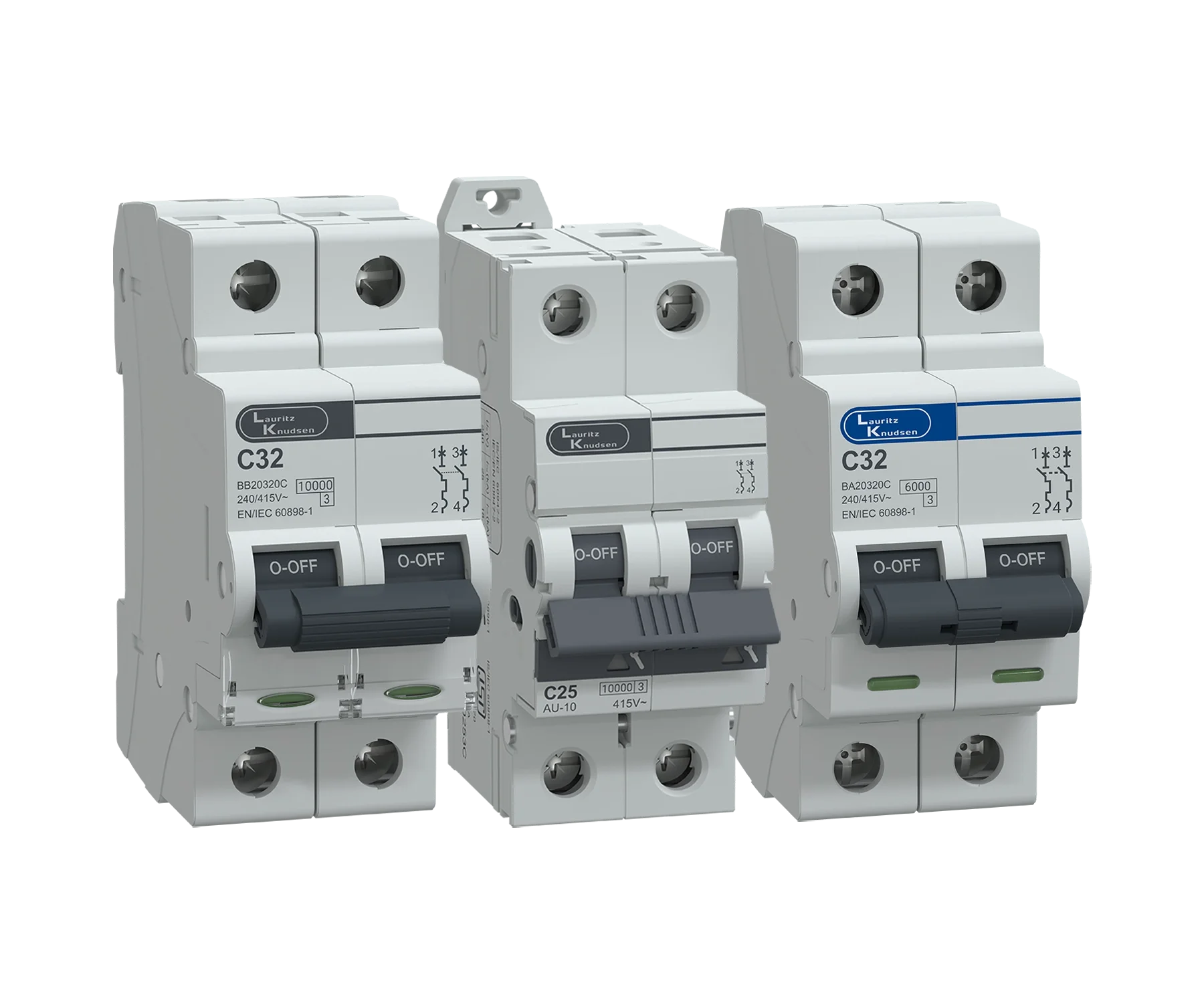
The MCB Electrical Device: Core Overcurrent Protection
A MCB electrical device, or Miniature Circuit Breaker, is an automatically operated protective switch that disconnects a circuit when the current flowing through it exceeds the device's rated capacity. The MCB electrical device achieves this through two complementary mechanisms. The thermal element, a bimetal strip that bends when heated by overcurrent, provides time-delayed protection against sustained overload conditions. The magnetic element provides essentially instantaneous protection against the high fault currents caused by short circuits, operating within milliseconds to prevent cable damage and fire risk.
The MCB electrical device is available in three standard tripping characteristic types that define its response to overcurrent. Type B MCB electrical devices trip at 3 to 5 times rated current and are used for resistive loads such as lighting and heating. Type C devices trip at 5 to 10 times rated current, making them suitable for loads with moderate inrush currents such as small motors and fluorescent lighting. Type D devices trip at 10 to 20 times rated current for high inrush loads such as transformers and large motor starters. Selecting the correct type ensures the MCB electrical device does not nuisance trip during normal load switching while remaining sensitive enough to protect against genuine faults.
Standards and Ratings
The MCB electrical device must comply with IEC 60898-1 for domestic and commercial applications or IEC 60947-2 for industrial applications. Rated breaking capacities range from 6kA for basic residential devices to 25kA or higher for industrial-grade products. The selected MCB electrical device must have a breaking capacity equal to or exceeding the prospective short circuit current at its installation point, which is a fundamental safety requirement that must be verified during the design stage.
The RCBO Electrical Device: Combined Protection
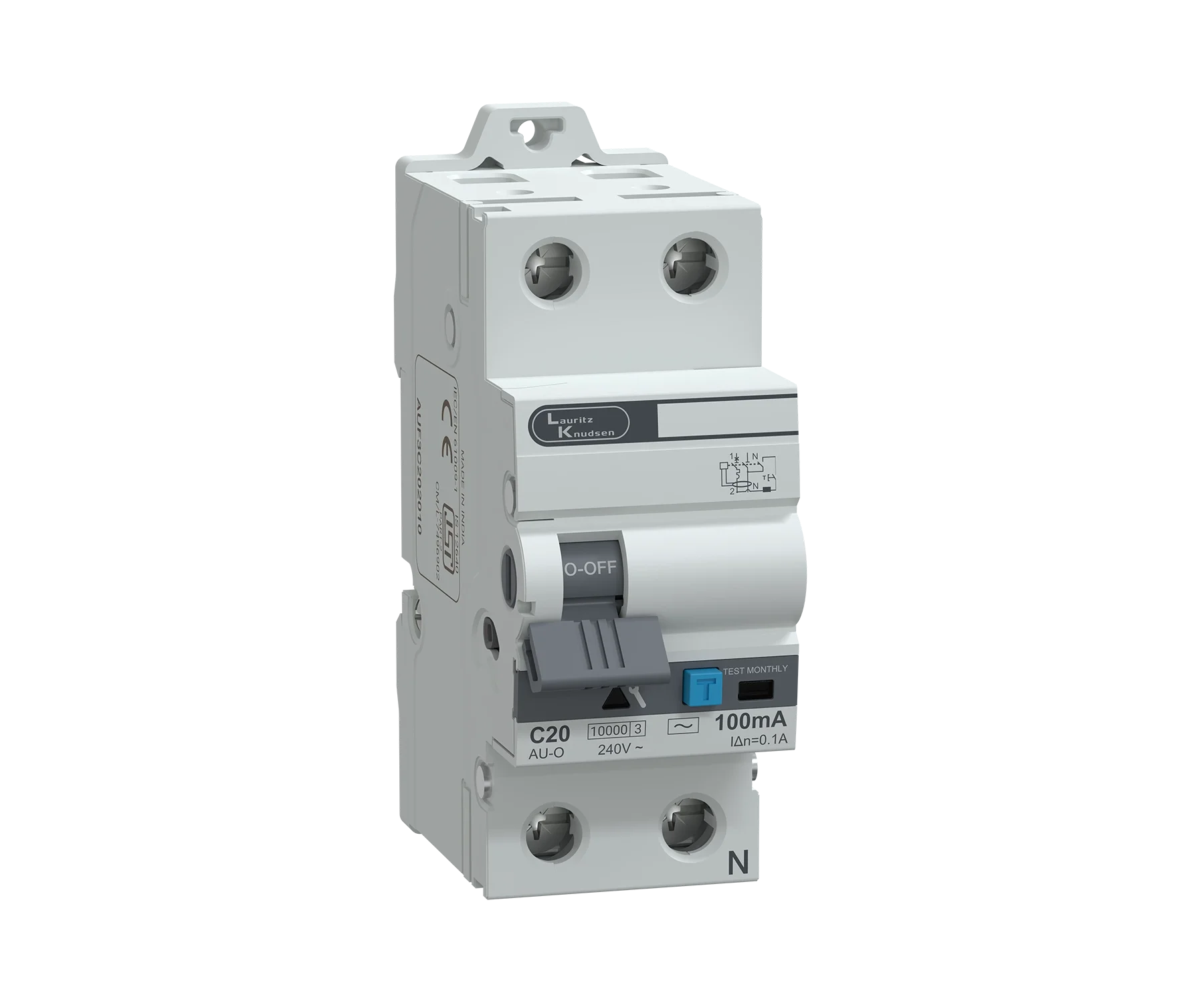
An RCBO electrical device, or Residual Current Breaker with Overcurrent, provides all the overcurrent protection of an MCB electrical device plus the additional and critically important function of residual current detection. The RCBO electrical device monitors the balance between live and neutral conductor currents at all times. Under normal conditions, these two currents are equal and opposite. When a ground fault occurs, such as when a person contacts a live conductor and current flows through their body to earth, this balance is disturbed. The RCBO electrical device detects the resulting imbalance and trips within 40 milliseconds at the standard 30mA sensitivity level, a response fast enough to prevent a potentially fatal electric shock from causing cardiac arrest.
This residual current protection function is entirely absent in the standard MCB electrical device. A fault current of only a few milliamps, which is well within the lethal range for electric shock, would not even register on the overcurrent protection of a standard MCB electrical device. The RCBO electrical device bridges this safety gap, making it the mandatory choice for circuits in bathrooms, kitchens, outdoor areas, and anywhere that electrical equipment may be used by people in contact with earthed metalwork or wet surfaces.
Practical Differences in Application
Electrical protection devices play a crucial role in ensuring safety and efficiency in different types of installations. Understanding how each device functions in real-world scenarios helps in selecting the right solution based on safety requirements, cost considerations, and application needs.
Below are the key practical differences in application:
Protection Against Electric Shock
The RCBO electrical device protects against electric shock. The MCB electrical device does not. This single difference determines which device must be used in circuits where the risk of personal contact with live conductors is elevated. In any installation where electrical safety regulations mandate residual current protection for specific circuit types, the RCBO electrical device or an external RCD is required alongside or instead of the basic MCB electrical device.
Cost and Space Considerations
The RCBO electrical device is more expensive and typically occupies slightly more panel space than an equivalent MCB electrical device. Where a single RCD can adequately protect a group of circuits without creating unacceptable nuisance tripping risk, using individual MCB electrical devices with a common upstream RCD may be the more economical approach. Where individual circuit residual current protection is required, the RCBO electrical device is the more practical and reliable solution.
The Lauritz Knudsen Electrical and Automation Range
Lauritz Knudsen Electrical & Automation, India's largest manufacturer of LT Switchgear, offers both MCB electrical and RCBO electrical devices as part of its comprehensive Home and Distribution Products range. The company's Miniature Circuit Breakers are listed among its key products on the official website, alongside RCCBs and RCBOs, covering the full spectrum of residual current and overcurrent protection requirements for residential, commercial, and light industrial applications. With manufacturing quality assured by decades of experience and a nationwide support network, Lauritz Knudsen Electrical & Automation provides MCB electrical and RCBO electrical products that engineers and installers across India can specify with confidence.
Conclusion
The MCB electrical device and the RCBO electrical device are fundamental tools in the electrical protection toolkit. The MCB electrical device delivers reliable, standardized overcurrent protection for the vast majority of final circuit applications. The RCBO electrical device adds the critical dimension of residual current protection, making it the essential choice wherever personal safety from electric shock is at stake. Understanding the difference between these two devices and knowing when each is required enables electrical professionals to design and build installations that are both compliant with regulations and genuinely safe for the people who use them.
