Maximizing Storage ROI: Renewable Energy Technology Investments
Author : Victor Lang | Published On : 08 May 2026
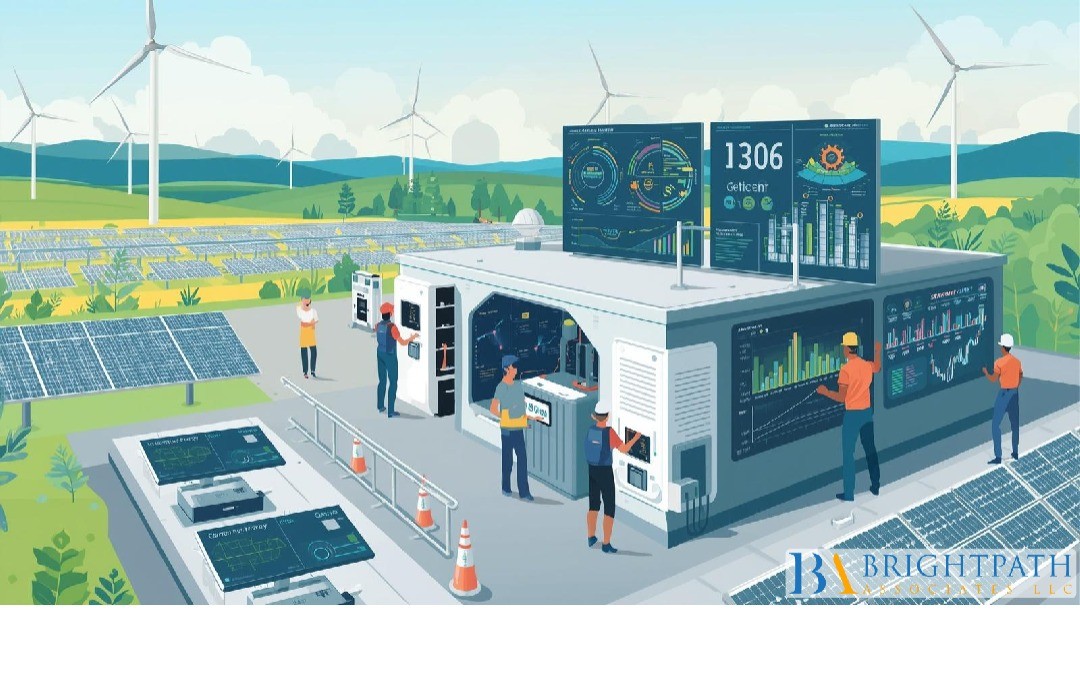
As renewable energy adoption accelerates across the United States, energy storage has become one of the most strategic investments in the modern energy landscape. Solar panels and wind farms may generate clean electricity, but without effective storage systems, businesses and utilities still face challenges related to intermittency, grid instability, and fluctuating energy demand. This is why energy storage technologies are rapidly moving from optional infrastructure upgrades to mission-critical investments for organizations seeking long-term operational efficiency and financial sustainability.
For small to mid-sized enterprises operating in the renewable energy sector, maximizing return on investment from energy storage technologies is becoming a top priority. Rising energy demand, evolving regulatory pressures, grid modernization initiatives, and sustainability commitments are driving organizations to rethink how they store, manage, and distribute energy. Companies that strategically invest in advanced storage systems are not only improving energy resilience but also creating new opportunities for profitability, scalability, and competitive advantage.
Industry experts continue to emphasize that energy storage technologies are playing a foundational role in accelerating the global energy transition. Research indicates that advancements in storage efficiency and declining production costs are significantly improving the long-term viability of renewable energy investments.
One of the primary reasons energy storage investments are gaining momentum is the growing need for grid reliability. Renewable energy sources such as solar and wind are inherently variable, meaning energy generation levels fluctuate based on weather conditions and time of day. Storage systems help bridge this gap by capturing excess energy during peak production periods and redistributing it when demand rises or generation decreases. This capability allows organizations to maintain operational continuity while reducing reliance on traditional fossil fuel-based backup systems.
Battery energy storage systems, particularly lithium-ion technologies, have become increasingly popular due to their scalability, efficiency, and declining costs. However, businesses are also exploring alternative storage solutions including flow batteries, thermal storage, pumped hydro, and compressed air technologies as they evaluate long-term investment strategies. According to recent renewable energy optimization research, improvements in storage discharge efficiency and cost reduction pathways are among the most critical drivers influencing storage investment returns.
For renewable energy organizations, maximizing storage ROI involves much more than simply purchasing battery systems. Successful investments require strategic planning, operational integration, financial modeling, and workforce expertise. Companies must evaluate energy usage patterns, peak demand cycles, infrastructure compatibility, maintenance costs, and regulatory incentives before implementing storage solutions.
Many organizations are now integrating storage systems directly alongside solar and wind installations to improve energy utilization and reduce operational waste. Industry analysis suggests that co-locating solar assets with battery storage can significantly enhance energy generation efficiency and improve revenue potential through optimized energy distribution.
The economic benefits of energy storage are becoming increasingly attractive for both utilities and private enterprises. Advanced storage technologies enable organizations to reduce peak demand charges, stabilize energy costs, participate in grid services markets, and improve overall energy efficiency. In many cases, energy storage systems also create opportunities for energy arbitrage, where stored electricity can be sold back to the grid during periods of high market demand.
As the renewable energy market evolves, organizations are realizing that storage investments are no longer solely about sustainability—they are about business resilience and long-term profitability. Companies operating within the renewable energy and environmental services sector can explore industry-specific workforce and operational insights through BrightPath Associates LLC’s Renewables & Environment Industry Practice, which supports organizations navigating energy transformation, infrastructure modernization, and leadership development.
Another important factor influencing storage ROI is digital transformation. Modern energy storage systems increasingly rely on AI-powered analytics, predictive monitoring, and smart grid integration to optimize performance and reduce operational inefficiencies. Intelligent software platforms can analyze energy consumption patterns in real time, helping organizations make data-driven decisions that improve storage utilization and financial returns.
Smart grid technologies are also becoming essential in maximizing the value of renewable energy investments. Advanced grid systems improve energy distribution, reduce outages, and enhance the integration of decentralized renewable energy assets. Industry leaders continue to stress that utilities and renewable energy providers investing in digital infrastructure and storage technologies will be better positioned to adapt to future energy demands.
Despite the growing opportunities, organizations still face several challenges when investing in storage technologies. High upfront capital costs, infrastructure limitations, evolving regulations, cybersecurity concerns, and talent shortages continue to impact adoption rates. Many companies also struggle to identify professionals with expertise in renewable energy systems, battery technologies, grid modernization, and energy optimization analytics.
The renewable energy industry is experiencing a growing demand for leaders capable of managing both technological innovation and operational execution. Workforce planning is becoming increasingly important as organizations seek professionals with expertise in renewable energy economics, smart grid systems, project management, sustainability strategy, and advanced energy infrastructure.
Industry research consistently highlights that companies investing in both technology and leadership development are more likely to achieve long-term operational success. Organizations that align workforce strategy with energy innovation initiatives often demonstrate stronger adaptability, improved implementation outcomes, and greater resilience during market transitions.
Sustainability goals are also accelerating energy storage investments across multiple industries. Governments, investors, and consumers are placing increased pressure on businesses to reduce carbon emissions and adopt environmentally responsible operations. Energy storage systems support these initiatives by enabling greater renewable energy utilization while reducing dependence on fossil fuel-generated electricity.
At the same time, renewable energy economics continue improving due to policy incentives, tax credits, and technological advancements. Businesses that invest strategically today may benefit from stronger long-term cost savings and operational stability as renewable infrastructure becomes more integrated into mainstream energy systems.
To gain deeper insights into energy storage strategies and renewable technology investments, explore the original article on Renewable Energy Technology Investments.
The future of renewable energy will increasingly depend on how effectively organizations can store, manage, and optimize energy resources. As energy markets continue evolving, storage technologies are expected to become one of the most valuable components of modern infrastructure strategy.
For business leaders, investors, and renewable energy organizations, one important question remains: will energy storage be viewed simply as an operational necessity — or as a transformative investment capable of redefining profitability, resilience, and long-term sustainability in the renewable energy economy?
How is your organization approaching energy storage investments? Are you already integrating advanced storage systems, smart grid technologies, or AI-driven energy optimization strategies into your operations? Share your thoughts and join the conversation.
