Maximizing Oil Production: Strategies for Efficiency and Growth
Author : Daniel Sparks | Published On : 03 Mar 2026
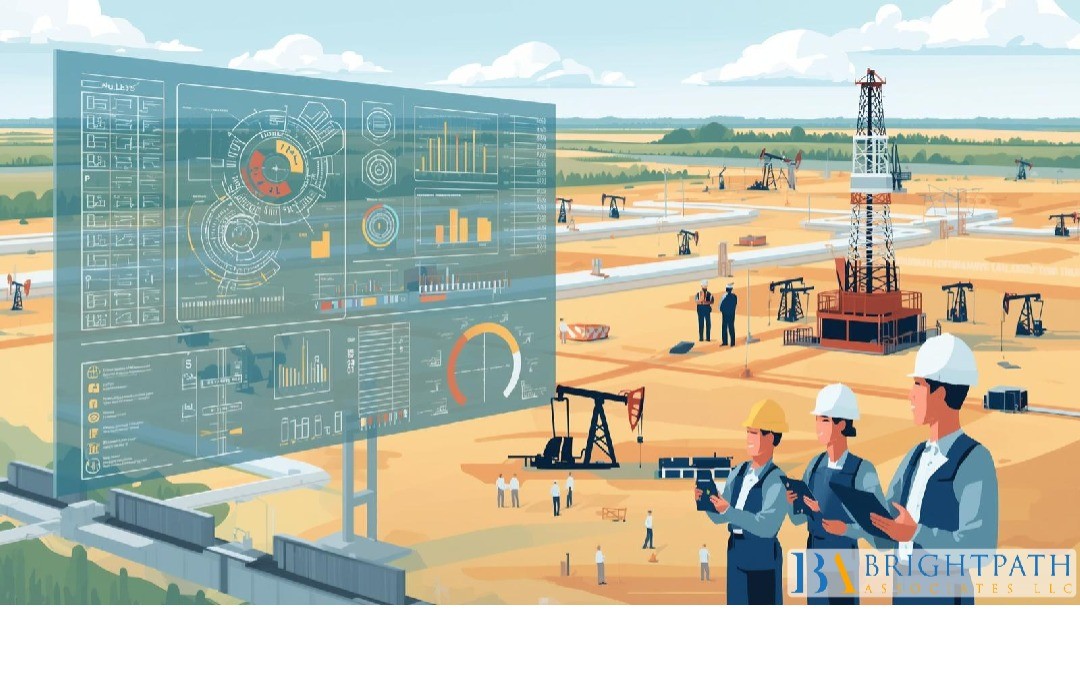
The oil and gas industry stands at a crucial inflection point. Global energy demand continues to rise, geopolitical pressures shape markets, and the operational landscape is rapidly evolving. For small to mid-sized oil and energy companies in the United States, the imperative is clear: maximize production efficiency while sustaining growth and profitability.
Whether it’s navigating operational bottlenecks, integrating digital solutions, or refining workforce capabilities, companies that proactively optimize their production systems are better positioned to thrive in a competitive global marketplace. In this article, we’ll explore the modern strategies that matter most — from technological innovations to leadership practices — and uncover how they can unlock both efficiency and growth at scale.
For broader insights into the talent and industry landscape powering these shifts, explore our dedicated Oil & Energy Industry Executive Recruitment insights page.
Efficiency Challenge in Modern Oil Production
Efficiency in oil production is not simply about producing more barrels — it’s about producing smarter, safer, and more cost-effectively. Major industry players have demonstrated that even incremental gains in efficiency can have outsized impacts on revenue and competitiveness. For example, deploying automation and remote technologies across drilling and reservoir management can yield significant performance improvements, enabling companies to extract more with fewer unplanned shutdowns.
At mid-sized operations, where workforce and capital constraints are real, efficiency gains become essential catalysts for growth. The strategies that follow represent both tried-and-true industry practices and emerging innovations shaping 2026 and beyond.
1. Precision Well Placement and Reservoir Optimization
Strategic well placement remains one of the most fundamental levers for maximizing production. By implementing advanced reservoir modeling and drilling simulations — using tools such as genetic algorithms and heuristic optimization — companies can identify locations with the highest extraction potential and lowest operational risk.
But the strategy doesn’t stop there. Operators are increasingly adopting subsurface analytics to reshape reservoir management, uncover hidden reserves, and tailor recovery methods — such as enhanced oil recovery (EOR) — to specific fields. These analytical frameworks help optimize recovery factors and boost production over the lifecycle of an asset.
2. Embrace Predictive Maintenance and Condition-Based Asset Management
One of the most costly challenges in oil production is unexpected equipment failure. Traditional reactive maintenance can result in significant downtime, forcing companies to halt production and incur steep repair costs. Today’s leading producers are shifting to predictive maintenance models, powered by real-time sensors and condition-based analytics, that forecast equipment wear, identify anomalies, and trigger interventions before failures occur.
By reducing unplanned outages and increasing asset uptime, predictive approaches enhance reliability and lower overall production costs. Smaller producers, in particular, benefit from reduced maintenance expenditures and more consistent output — advantages that directly support operational growth.
3. Digitalization, Automation, and Real-Time Monitoring
Digital transformation is no longer optional. From digital twin models that virtually replicate physical assets to machine-learning systems that optimize production decisions, the integration of digital technologies transforms raw data into strategic advantage.
Automated drilling systems, remote monitoring platforms, and IoT networks enable operators to respond instantly to field conditions, optimize well performance, and manage multiple operations with fewer people on site — resulting in improved safety, lower cost, and better performance.
Moreover, advances in data analytics allow companies to predict production fluctuations and adjust plans dynamically — a competitive advantage in volatile market environments.
4. Enhanced Oil Recovery (EOR) and Advanced Techniques
As fields mature, primary recovery rates often decline, challenging companies to extract remaining reserves efficiently. Enhanced oil recovery (EOR) techniques — including methods like waterflooding, CO₂ injection, and thermal approaches — reinvigorate production by mobilizing trapped oil and extending field life.
Recent industry initiatives are even exploring sustainable EOR models, such as CO₂ EOR, which leverages carbon dioxide injection to both boost extraction and reduce overall emissions — aligning production efficiency with environmental responsibility.
Strategic adoption of EOR technologies not only improves production metrics but also supports long-term asset value and investor confidence.
5. Workforce Optimization and Leadership Alignment
Technology alone cannot drive production gains — people do. The success of efficiency initiatives hinges on the capabilities of leadership teams and operational talent. The most successful oil producers invest in workforce development, training, and recruitment practices that attract and retain professionals with hybrid skills: technical expertise, digital literacy, and strategic acumen.
From field engineers who understand predictive analytics to production managers capable of integrating automation tools, talent strategy directly influences production outcomes. Proven leadership recruitment and workforce planning help companies assemble teams capable of leveraging innovation, navigating disruption, and executing long-term growth strategies.
This is where tailored executive search partnerships can make a significant difference — connecting companies with leaders who not only understand the oil and gas landscape but also drive transformative outcomes.
Conclusion: Maximize Production — But Lead with Strategy
Maximizing oil production efficiency and growth is not a one-size-fits-all journey — it is a layered, strategic endeavor that combines innovation, strong leadership, and industry insight. Organizations that successfully integrate advanced production technologies, predictive maintenance, digital transformation, and workforce excellence will outperform their peers — delivering stronger margins, greater resilience, and sustainable long-term value.
To dive deeper into the practical strategies and insights shaping successful production optimization today, read our full feature on Maximizing Oil Production: Strategies for Efficiency and Growth.
