Maximizing Margins: Actionable Solutions for Dairy Farm Profitability
Author : Alyssa Miller | Published On : 23 Jun 2026
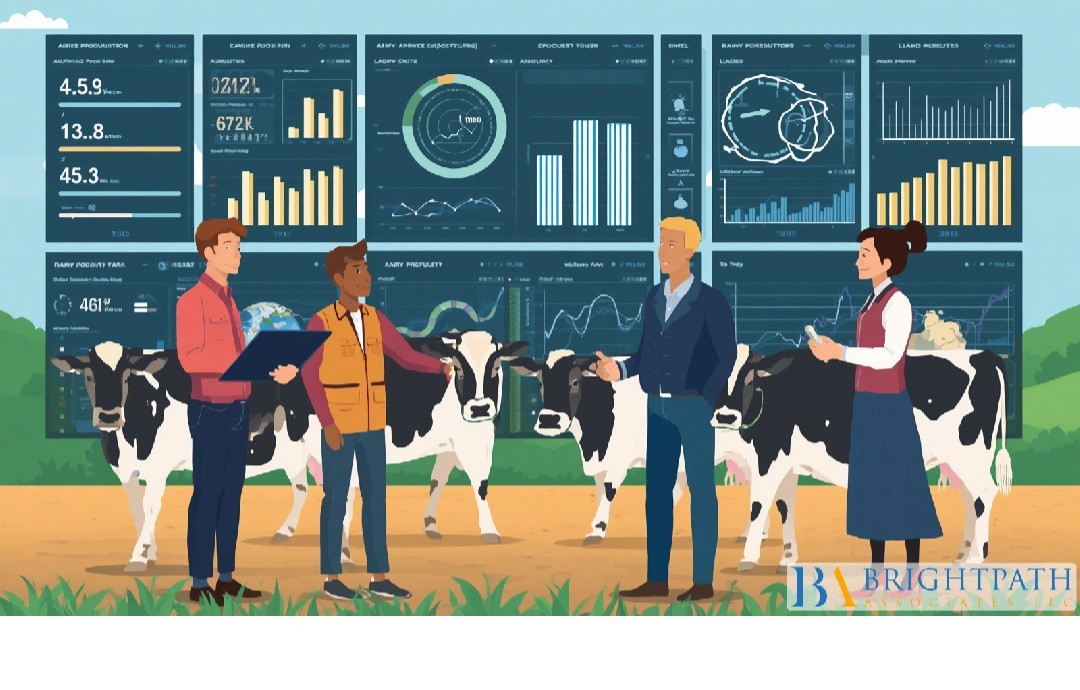
Profitability has become one of the most pressing concerns facing dairy producers today. While consumer demand for dairy products remains strong, dairy farms continue to navigate a complex landscape marked by rising feed costs, labor shortages, fluctuating milk prices, regulatory requirements, and evolving sustainability expectations. For dairy industry leaders, maintaining healthy profit margins is no longer simply about increasing production—it requires a strategic approach that balances operational efficiency, innovation, workforce management, and long-term growth planning.
As competition intensifies across the agricultural sector, dairy businesses must identify actionable solutions that strengthen financial performance while positioning their operations for future success. The organizations that thrive in this environment are those that embrace data-driven decision-making, optimize resources, invest in technology, and develop strong leadership teams capable of navigating change. The critical question for dairy executives is not whether profitability challenges will continue, but how effectively they can respond to them.
Understanding the Modern Profitability Challenge
Dairy farm profitability is influenced by a variety of interconnected factors. Feed expenses often represent the largest operating cost, while labor, energy, transportation, equipment maintenance, and compliance costs continue to rise. At the same time, milk pricing can fluctuate significantly due to market conditions, supply chain disruptions, and changing consumer demand patterns.
These pressures create a narrow margin for error. Small inefficiencies that may have gone unnoticed in the past can now have a significant impact on financial performance. As a result, dairy operators must continually evaluate their cost structures and identify opportunities for improvement.
Successful organizations recognize that profitability is not achieved through a single initiative. Instead, it is the result of multiple operational improvements working together to create sustainable financial gains.
Leveraging Technology for Greater Efficiency
Technology has become an increasingly important tool for dairy operations seeking to improve profitability. Modern dairy farms have access to advanced monitoring systems, automated feeding equipment, robotic milking solutions, herd management software, and predictive analytics platforms. These technologies provide real-time visibility into operational performance, helping producers make informed decisions that improve productivity and reduce waste. Automated systems can streamline repetitive tasks, improve consistency, and allow employees to focus on higher-value activities.
Herd management technologies also provide valuable insights into animal health, reproductive performance, and milk production trends. Early identification of health issues can reduce treatment costs while minimizing production losses. While technology investments require upfront capital, organizations that implement solutions strategically often realize long-term gains through improved efficiency, reduced labor dependency, and enhanced decision-making capabilities.
Enhancing Herd Health and Performance
Healthy animals are essential to profitable dairy operations. Proactive herd health programs help reduce veterinary expenses, improve milk production, enhance reproductive performance, and minimize losses associated with disease outbreaks. Preventive healthcare strategies often deliver greater financial returns than reactive treatment approaches.
Advanced monitoring technologies enable producers to detect health concerns earlier, allowing for faster intervention and improved outcomes. Regular performance evaluations can also identify opportunities to improve breeding programs, nutrition strategies, and overall herd management practices. When herd health is prioritized, organizations often experience stronger productivity and greater financial stability over time.
Sustainability as a Profitability Driver
Sustainability is increasingly viewed as both an environmental responsibility and a business opportunity. Energy-efficient equipment, waste reduction programs, water conservation initiatives, and renewable energy investments can lower operating costs while supporting sustainability goals. Many consumers and business partners now prioritize organizations that demonstrate environmental stewardship.
Additionally, sustainability-focused practices may improve access to funding opportunities, incentive programs, and strategic partnerships. Forward-thinking dairy leaders recognize that sustainability and profitability are not mutually exclusive. In many cases, operational improvements that reduce environmental impact also contribute directly to financial performance.
Importance of Strategic Leadership
Perhaps the most significant factor influencing dairy farm profitability is leadership. Successful organizations are led by executives and managers who can balance operational efficiency with long-term strategic planning. These leaders understand how to navigate market volatility, implement innovation, manage talent, and drive continuous improvement throughout the organization.
As the dairy industry continues to evolve, the demand for experienced leaders capable of managing complex operations and growth initiatives will only increase. For organizations seeking deeper insights into workforce trends, leadership strategies, operational excellence, and industry developments, explore BrightPath Associates LLC's Dairy Industry. Additional perspectives on improving profitability and navigating industry challenges can also be found in BrightPath Associates LLC's original article: Actionable Solutions for Dairy Farm Profitability.
Looking Ahead
The future of dairy farm profitability will be shaped by an organization's ability to adapt, innovate, and execute strategically. Rising costs, changing consumer preferences, workforce challenges, and sustainability expectations will continue to influence business performance across the industry.
However, these challenges also create opportunities. Organizations that embrace technology, optimize operations, strengthen workforce capabilities, and invest in strong leadership will be better positioned to achieve sustainable profitability and long-term growth.
