Maximizing Kiln Efficiency: Strategies for Refractory Material Management
Author : Victor Lang | Published On : 04 Dec 2025
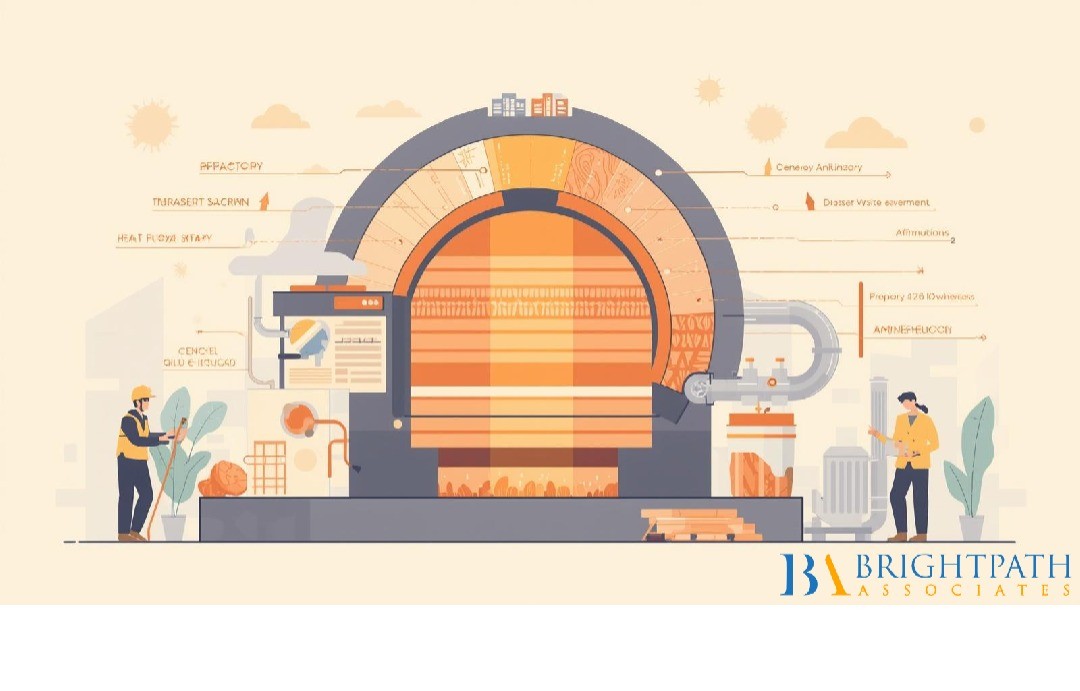
In the Glass, Ceramics & Concrete Manufacturing sector, kiln performance is more than an operational requirement—it is a competitive advantage. Small to mid-sized manufacturers across the United States rely on kilns to support high-temperature processes that define product quality, production speed, and profitability. Yet despite how essential they are, kilns are often one of the most overlooked components when companies evaluate efficiency, energy costs, maintenance budgets, and workforce productivity.
At BrightPath Associates LLC, we work closely with companies that face these exact challenges. Whether it’s identifying operational leaders who understand refractory systems or sourcing engineers who can optimize kiln design, we consistently see a direct relationship between kiln efficiency and bottom-line performance. One of the most impactful areas manufacturers can optimize is refractory material management.
Refractories are the heat-resistant materials lining the kiln interior, protecting structural components from thermal stress and chemical wear. Effective refractory management can add years to kiln lifespan, prevent costly downtime, reduce energy consumption, and deliver consistent product quality. Conversely, poor refractory practices can trigger unexpected shutdowns, safety risks, uneven heating, and significant production losses.
This article explores practical, strategic, and engineering-driven methods manufacturers can apply to maximize kiln efficiency, strengthen refractory performance, and extend equipment life—while also positioning teams to operate smarter and more sustainably.
Understanding the Role of Refractory Materials
Refractory materials must withstand extreme temperatures that range from 1,000°C to 1,700°C depending on the process. In industries like float glass, specialty ceramics, or concrete clinker production, refractories must also resist abrasion, chemical reactions, thermal shock, and long periods of continuous operation. The quality of refractory material determines:
-
Heat retention
-
Fuel efficiency
-
Kiln stability
-
Shell protection
-
Internal temperature uniformity
-
Product consistency
-
Maintenance cycles
Given these high demands, refractories are not simply “materials”—they are strategic assets that directly influence operational success.
Strategic Approaches to Refractory Material Selection
1. Choose materials based on thermal load and process type
Not all refractories perform the same under different kiln conditions. Manufacturers should match refractories to factors such as:
-
Thermal gradients
-
Heating rate
-
Chemical exposure
-
Mechanical load
-
Kiln atmosphere
-
Required durability
High-alumina bricks, fireclay bricks, silica refractories, magnesia-based refractories, and insulating castables each serve specific needs. A mismatch leads to premature failure—one of the most preventable causes of kiln inefficiency.
2. Prioritize refractory quality over cost
While cost-cutting may be tempting, substandard refractories result in:
-
Frequent breakdowns
-
Overheating
-
Heavy heat loss
-
Unplanned shutdowns
-
Increased fuel consumption
High-quality refractories reduce lifecycle costs, even if they require a higher upfront investment.
Enhancing Kiln Efficiency Through Better Installation Practices
1. Ensure precision during installation
Even the best refractory material fails early if installation is compromised. Incorrect spacing, poor anchoring, or improper curing triggers cracks, misalignment, and reduced structural integrity. Manufacturers should ensure that:
-
Installation crews are properly trained
-
Industry standards are followed
-
Expansion joints are correctly designed
-
Dry-out procedures are carefully controlled
Your workforce is your strongest efficiency driver—yet finding technicians with refractory expertise is increasingly difficult for U.S. manufacturers. This is where strong recruitment partnerships matter.
2. Use advanced installation technologies
Newer technologies like laser measurement, pre-shaped refractory modules, and automated gunning systems enable:
-
Faster installation
-
Higher accuracy
-
Reduced human error
-
Stronger performance
Manufacturers investing in advanced processes consistently see longer refractory life cycles and fewer operational interruptions.
Maintenance: The Core of Long-Term Refractory Management
1. Conduct regular thermal scans
Thermal imaging helps detect:
-
Hotspots
-
Heat leaks
-
Deteriorated bricks
-
Insulation breakdowns
Addressing these issues early prevents expensive repairs and protects kiln structural integrity.
2. Monitor for chemical and mechanical wear
Chemical reactions between raw materials and refractories can weaken lining strength. Similarly, mechanical stress caused by rotating kilns or heavy loads leads to abrasion. Regular inspections ensure timely replacements before failure occurs.
3. Implement predictive maintenance
Data-driven predictive maintenance programs allow manufacturers to:
-
Forecast refractory wear
-
Schedule preventive shutdowns
-
Reduce emergency repair costs
-
Enhance energy efficiency
For small to mid-sized enterprises, predictive maintenance is a cost-efficient way to stay competitive.
Energy Efficiency: A Direct Output of Good Refractory Management
When refractories function optimally, less heat escapes from the kiln, reducing the fuel needed to maintain target temperatures. Improved insulation and tightly sealed linings can cut energy consumption by 5–20% depending on kiln type. Energy-efficient operations support:
-
Lower production costs
-
Higher throughput
-
Better environmental performance
-
Longer equipment lifespan
This also aligns with broader sustainability expectations across U.S. manufacturing—where efficiency and carbon-conscious processes are no longer optional.
Developing a Skilled Workforce for Kiln & Refractory Operations
The greatest challenge U.S. manufacturers face is not just technology—it’s talent. Skilled refractory engineers, kiln operators, maintenance specialists, and materials scientists are in shortage.
Small to mid-sized companies often struggle to compete against large corporations for technical roles. BrightPath Associates LLC bridges this gap by helping companies hire niche talent specialized in:
-
Kiln operations
-
Refractory design
-
Thermal process engineering
-
Predictive maintenance
-
Industrial materials science
For industry insights and recruitment support tailored to Glass, Ceramics & Concrete Manufacturing, explore our dedicated page.
Why Optimizing Kiln Efficiency Should Be a 2025 Priority
Kilns consume enormous energy and represent some of the costliest assets on the manufacturing floor. Optimizing refractory management reduces operational waste, stabilizes production, and increases throughput—all while protecting multimillion-dollar equipment.
But the most forward-thinking companies understand that the investment isn’t just in refractory materials—it’s in people. Operations leaders, process engineers, and maintenance specialists are the driving forces behind long-term kiln performance.
For a detailed technical breakdown on refractory strategies, visit the original blog here: Strategies for Refractory Material Management.
