Marble Floor Polishing: A Complete Guide to Restoring Shine and Maintaining Marble Floors
Author : Zoyi Adams | Published On : 12 Aug 2026
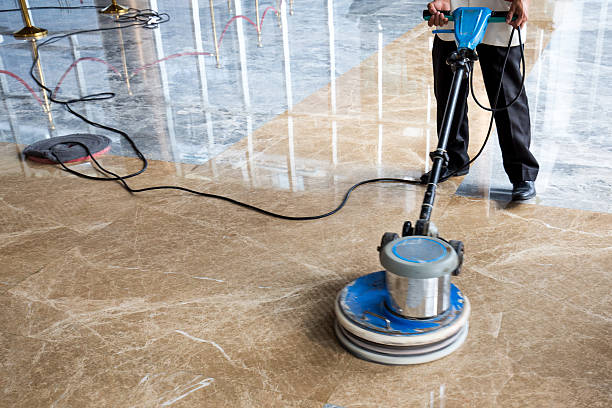
Marble flooring is valued for its natural patterns, smooth surface, and timeless appearance. From residential entryways and living areas to commercial spaces and hotel interiors, marble can add an elegant finish to a property.
However, marble can gradually lose its shine as a result of regular foot traffic, dirt, spills, scratches, and improper cleaning. Over time, a once-reflective marble surface may become dull, cloudy, or uneven.
This is where professional marble polishing can make a difference. Understanding how marble polishing works, when it may be needed, and how to maintain the surface afterward can help property owners make informed decisions about their flooring.
What Is Marble Floor Polishing?
Marble floor polishing is a process used to improve the smoothness, clarity, and appearance of a marble surface.
Unlike ordinary cleaning, polishing works on the surface of the stone using specialized equipment and abrasive materials. The process can help reduce the appearance of minor surface imperfections and restore a more refined finish.
The appropriate polishing method depends on the type of marble, its existing condition, and the finish that is desired.
Why Do Marble Floors Lose Their Shine?
Marble is durable, but its appearance can change with regular use. Several factors can contribute to a dull or worn-looking surface.
Foot Traffic
Frequently used areas can develop more wear than parts of the floor that receive little traffic. Entryways, hallways, and commercial areas may show these changes particularly quickly.
Dirt and Abrasive Particles
Small particles of dirt and sand can act as abrasives when walked across the surface. Regular cleaning can help reduce this type of wear.
Spills and Stains
Certain liquids and substances can leave marks on marble if they are not cleaned promptly. Some substances may also react with the stone because marble is sensitive to acidic materials.
Improper Cleaning Products
Using unsuitable cleaners can affect the appearance of marble. Strong or acidic products may damage the surface rather than improve it.
Scratches and Surface Wear
Furniture movement, everyday activity, and heavy traffic can contribute to small scratches and surface imperfections.
What Are the Signs That Marble May Need Polishing?
Several visible changes can indicate that a marble floor could benefit from professional attention.
Dull or Cloudy Appearance
If the marble no longer reflects light the way it once did, the surface may have developed wear or residue that affects its finish.
Visible Scratches
Light surface scratches can become more noticeable over time, especially in high-traffic areas.
Uneven Shine
Some sections of a floor may remain glossy while heavily used areas become dull. This can create an inconsistent appearance across the room.
Loss of Smoothness
A marble surface that feels rougher than it originally did may need professional evaluation to determine whether polishing or another treatment is appropriate.
Stubborn Surface Marks
Some marks may remain after normal cleaning. Their cause should be identified before selecting a treatment method.
How Does Professional Marble Polishing Work?
A professional marble floor polishing service may involve several stages depending on the condition of the stone.
1. Inspecting the Marble
Before polishing begins, the surface should be examined for scratches, stains, cracks, etching, worn areas, and previous treatments.
The type and condition of the marble are also important because different stones may require different approaches.
2. Cleaning the Surface
The marble should be thoroughly cleaned to remove dirt, dust, and surface residue before mechanical polishing begins.
This provides a cleaner surface for evaluating and treating the stone.
3. Honing When Necessary
If the marble has deeper surface imperfections, honing may be required before polishing.
Honing uses abrasives to remove a thin layer of the surface and create a more uniform appearance. Not every marble floor requires this step.
4. Polishing the Marble
Specialized polishing equipment and progressively finer abrasives can be used to refine the surface.
The goal is to improve smoothness and clarity while producing the desired level of shine.
5. Final Cleaning
After polishing, the surface is cleaned to remove remaining dust and residue.
The finished marble can then be inspected to ensure that the desired appearance has been achieved.
What Is the Difference Between Marble Cleaning and Polishing?
Cleaning and polishing are not the same process.
Cleaning focuses primarily on removing dirt, dust, spills, and surface contaminants.
Polishing is a mechanical process designed to refine the surface of the marble and improve its finish.
A floor can be completely clean and still look dull if the surface itself has become worn. In such cases, ordinary cleaning may not restore the original appearance.
Marble Polishing vs. Marble Restoration
Marble polishing is generally focused on improving the surface finish, while marble restoration can involve a broader range of treatments.
Depending on the condition of the floor, restoration may include:
-
Crack repair
-
Chip repair
-
Scratch removal
-
Stain treatment
-
Honing
-
Grinding
-
Polishing
-
Sealing or other protective treatments
A professional assessment can help determine whether a floor requires simple polishing or a more comprehensive restoration process.
Can All Marble Floors Be Polished?
Many marble surfaces can be polished, but the appropriate process depends on the condition and characteristics of the stone.
Severe cracks, deep damage, extensive etching, or other underlying problems may require additional treatment before polishing.
For this reason, it is better to evaluate the actual condition of the marble rather than assuming that every floor needs the same polishing procedure.
How Often Should Marble Floors Be Polished?
There is no single schedule that works for every property.
The frequency can depend on:
-
Amount of foot traffic
-
Type of marble
-
Location of the floor
-
Cleaning practices
-
Presence of abrasive dirt
-
Previous polishing and restoration
-
Desired level of shine
A residential marble floor with limited traffic may need attention less frequently than flooring in a busy commercial environment.
Instead of following a fixed schedule, property owners can monitor the condition of the surface and address visible wear when necessary.
How to Maintain Marble After Polishing
Proper maintenance can help preserve the appearance of a polished marble floor.
Clean Dust and Dirt Regularly
Dust and abrasive particles should be removed regularly to reduce unnecessary surface wear.
Clean Spills Quickly
Promptly cleaning spills can help reduce the possibility of staining or etching.
Use Marble-Safe Cleaning Products
Use cleaning products that are appropriate for marble. Avoid acidic or overly aggressive cleaners unless specifically recommended for the particular surface.
Use Mats in High-Traffic Areas
Entrance mats can help reduce the amount of dirt and abrasive material carried onto marble floors.
Protect Furniture Contact Points
Furniture pads can help reduce scratches and surface damage when furniture is moved.
What Should You Look for in a Marble Polishing Company?
Choosing the right professional is important because improper polishing techniques can damage natural stone.
When comparing a marble polishing company near me, consider the company's experience with marble and the specific type of work required.
Ask questions such as:
-
How much experience do you have with marble?
-
What condition is the existing surface in?
-
Does the floor require honing before polishing?
-
What type of finish can be achieved?
-
How will scratches or stains be handled?
-
What maintenance will be recommended afterward?
-
Can you provide examples of previous marble projects?
A professional should be able to explain the proposed process rather than simply recommending polishing without assessing the floor.
Finding a Marble Polisher Near You
Property owners searching for a marble polisher near me should consider more than location alone.
Experience with natural stone, the restoration process, equipment, previous projects, and customer reviews can all help when evaluating a professional.
For homeowners in South Florida, local experience can also be useful because the professional can inspect the actual marble surface and determine what treatment is appropriate for the property.
What Does Marble Polishing Cost?
The cost of marble polishing can vary depending on several factors.
These may include:
-
Total floor area
-
Condition of the marble
-
Level of surface damage
-
Required preparation
-
Whether honing or grinding is necessary
-
Desired finish
-
Accessibility of the work area
A floor with minor dullness may require a different process from one with deep scratches, etching, or extensive wear.
For this reason, an on-site assessment is often more useful than estimating the cost based only on square footage.
When Should You Consider Professional Marble Polishing?
Professional polishing may be worth considering when a marble floor has become noticeably dull, scratched, uneven, or difficult to maintain.
It may also be appropriate when regular cleaning no longer produces the appearance you want.
If you are searching for marble floor polishing near me or marble polishing service near me, consider having the floor assessed before deciding what treatment it needs. The condition of the stone will determine whether polishing alone is sufficient or whether additional restoration work is required.
Final Thoughts
Marble flooring can maintain its elegant appearance for many years when it receives appropriate care. However, regular use can gradually affect its shine, smoothness, and overall appearance.
Professional polishing can help refine the surface and restore a more consistent finish, while proper cleaning and maintenance can help preserve the results.
Before choosing a marble polishing service, it is important to understand the condition of the existing floor and the type of treatment it actually requires. A professional evaluation can help property owners choose an appropriate approach without unnecessary work.
