Machinery Manufacturers: Key Players and Their Impact on US Economy
Author : Ayesha Diaz | Published On : 20 Mar 2026
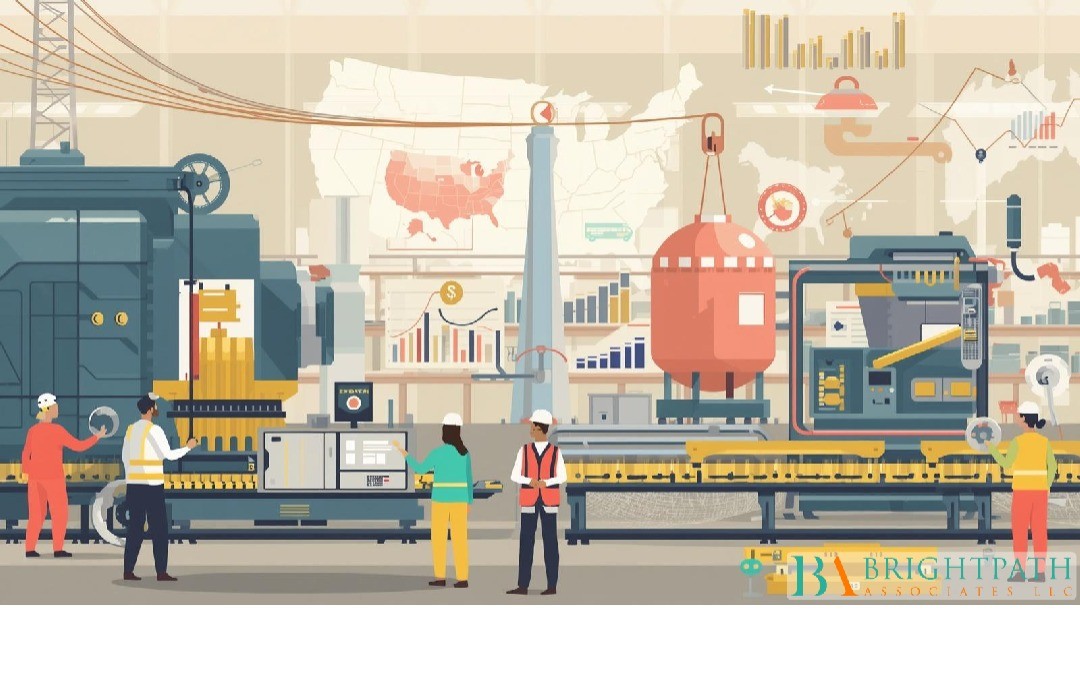
The machinery manufacturing sector is one of the most critical pillars of the United States economy. From construction equipment and agricultural machinery to advanced manufacturing systems and industrial automation, machinery manufacturers form the backbone of industrial productivity and economic growth.
For leaders in small to mid-sized enterprises, understanding the role and impact of machinery manufacturers is essential for navigating an increasingly competitive and technology-driven landscape. A deeper perspective on this can be explored in this detailed analysis of machinery manufacturers and their impact on the U.S. economy, which highlights the sector’s evolving influence.
Machinery Industry as Economic Engine
The machinery industry is not just another segment of manufacturing—it is a foundational driver of economic activity across multiple sectors. In the United States, machinery and equipment manufacturing accounts for a significant share of industrial output and contributes nearly 20% of total manufacturing value added.
This sector supports over one million jobs nationwide, making it one of the largest employment generators in the industrial economy. At a broader level, the global machinery manufacturing market has reached a value of over $3 trillion, reflecting its immense scale and influence.
What makes this industry particularly important is its multiplier effect. Machinery is not consumed in isolation—it enables productivity across industries such as construction, agriculture, energy, and transportation. As a result, advancements in machinery manufacturing directly impact the efficiency and growth of the entire economy.
Key Players Shaping the Industry Landscape
The U.S. machinery industry is defined by a mix of global giants and specialized manufacturers that drive innovation and competitiveness. Companies like Caterpillar Inc. have established themselves as leaders in construction and mining equipment, playing a critical role in infrastructure development worldwide.
Similarly, John Deere continues to dominate the agricultural machinery space, providing advanced equipment that enhances productivity and supports the global food supply chain.
In the realm of precision manufacturing, Haas Automation has become a key player by delivering cost-effective CNC solutions that power modern manufacturing facilities.
These companies, along with numerous mid-sized and niche manufacturers, form a dynamic ecosystem that drives innovation, exports, and industrial growth. Their contributions extend beyond production—they influence technological advancement, workforce development, and global competitiveness.
Innovation and Technology Driving Growth
One of the defining characteristics of the machinery industry is its continuous evolution through innovation. The adoption of advanced technologies such as Industrial IoT, automation, and robotics is transforming how machinery is designed, manufactured, and utilized.
Recent data indicates that over 65% of machinery manufacturers have adopted Industrial IoT technologies, enabling real-time monitoring, predictive maintenance, and enhanced operational efficiency. At the same time, investments in areas like 3D printing and collaborative robotics are accelerating the pace of innovation.
These advancements are not only improving productivity but also enabling manufacturers to offer more customized and high-value solutions. For businesses, this means greater flexibility, reduced costs, and improved competitiveness in a global market.
However, the rapid pace of technological change also requires companies to continuously adapt and invest in new capabilities to stay ahead.
Industry’s Role in Economic Resilience
The machinery sector plays a crucial role in strengthening the resilience of the U.S. economy. During periods of economic uncertainty, investment in machinery and equipment often serves as a key driver of recovery and growth.
Recent trends show that business investment in equipment has been increasing, fueled by advancements in areas such as artificial intelligence and automation. This growth reflects a broader shift toward modernization and efficiency across industries.
At the same time, machinery exports contribute significantly to the U.S. trade landscape, supporting global demand and reinforcing the country’s position as a leader in industrial innovation. The ability of the machinery industry to adapt to changing economic conditions makes it a critical component of long-term economic stability.
Challenges Facing Machinery Manufacturers
Despite its strengths, the machinery industry is not without challenges. One of the most pressing issues is the growing skills gap within the workforce. Nearly 45% of manufacturers report difficulty finding skilled talent to meet their operational needs.
This talent shortage is compounded by the increasing complexity of modern manufacturing, which requires expertise in advanced technologies, data analytics, and engineering. For small to mid-sized companies, competing for such talent can be particularly challenging.
Additionally, global trade dynamics and supply chain disruptions continue to impact the industry. Factors such as tariffs, material costs, and geopolitical tensions can influence production costs and market access, creating uncertainty for manufacturers.
Addressing these challenges requires a strategic approach that combines workforce development, innovation, and operational agility.
Strategic Importance of Talent in Machinery Manufacturing
As the machinery industry evolves, the importance of talent is becoming more pronounced. The shift toward automation and digitalization is creating a demand for highly skilled professionals who can manage complex systems and drive innovation.
For many organizations, the ability to attract and retain top talent has become a key differentiator. Companies that invest in building strong teams are better positioned to leverage new technologies, improve efficiency, and achieve sustainable growth.
Understanding the broader trends shaping the machinery industry landscape is essential for aligning talent strategies with business objectives. Organizations that prioritize workforce development will be better equipped to navigate the challenges and opportunities of the industry.
Turning Industry Insights into Competitive Advantage
Staying informed about industry trends is critical, but it is only the first step. The real value lies in translating insights into actionable strategies.
This includes investing in advanced technologies, optimizing operations, and building a workforce capable of driving innovation. It also requires a proactive approach to market changes, ensuring that businesses can adapt quickly and effectively.
Companies that successfully integrate these elements will not only improve their performance but also strengthen their position in a highly competitive market.
Conclusion: A Defining Moment for Industry Leaders
The machinery manufacturing sector is at a pivotal moment. As technology continues to evolve and market dynamics shift, the industry is being reshaped in ways that will define its future for decades to come.
For leaders in small to mid-sized enterprises, this transformation presents a unique opportunity to innovate, grow, and establish a competitive advantage. The key lies in understanding the trends, investing in the right capabilities, and making strategic decisions that align with the future of the industry
