Machinery Maintenance: Best Practices for Longevity and Performance
Author : Ayesha Diaz | Published On : 09 Apr 2026
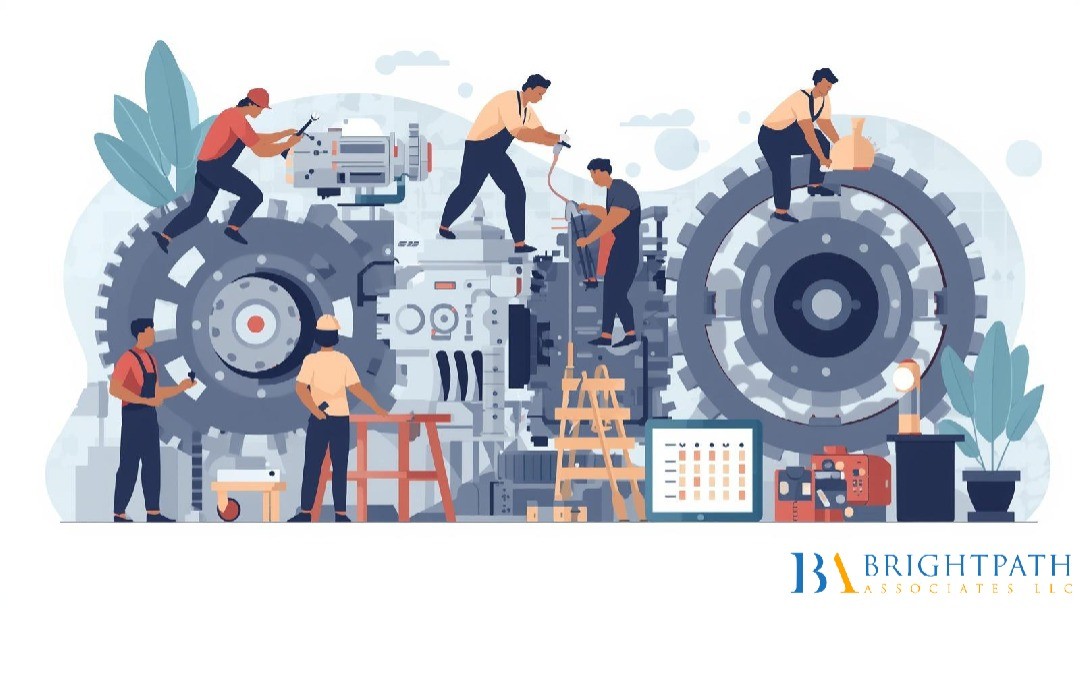
In today’s highly competitive industrial landscape, machinery is not just an operational asset—it is the backbone of productivity, efficiency, and profitability. For small to mid-sized companies in the U.S. machinery industry, ensuring that equipment operates at peak performance is critical to maintaining a competitive edge. Yet, many organizations still treat maintenance as a reactive function rather than a strategic priority. This approach often leads to costly downtime, reduced equipment lifespan, and operational inefficiencies. The reality is clear: companies that adopt proactive and data-driven maintenance strategies are far better positioned to achieve long-term success.
Machinery maintenance, at its core, involves the systematic care, inspection, and servicing of equipment to ensure optimal performance and longevity. When maintenance is neglected, machines are more likely to fail unexpectedly, causing production delays, increased repair costs, and significant financial losses. For businesses operating in asset-intensive industries, even a single instance of unplanned downtime can disrupt entire workflows and impact customer satisfaction. This makes maintenance not just an operational necessity, but a strategic function that directly influences business outcomes.
One of the most effective ways to enhance machinery longevity is through the implementation of preventive maintenance. Unlike reactive maintenance, which focuses on fixing equipment after it breaks down, preventive maintenance is designed to identify and address issues before they escalate. This approach typically involves scheduled inspections, routine servicing, and timely replacement of worn components. By adhering to a structured maintenance schedule, companies can significantly reduce the risk of unexpected failures and extend the lifespan of their equipment. Preventive maintenance also improves overall efficiency by ensuring that machines operate under optimal conditions, reducing wear and tear over time.
In addition to preventive maintenance, predictive maintenance is emerging as a game-changing strategy in the machinery industry. Leveraging advanced technologies such as data analytics, sensors, and machine learning, predictive maintenance enables organizations to monitor equipment performance in real time and anticipate potential failures. This data-driven approach allows companies to perform maintenance only when necessary, minimizing unnecessary interventions while maximizing efficiency. Research shows that predictive models can significantly improve maintenance outcomes, reducing servicing time and increasing operational efficiency. As Industry 4.0 continues to evolve, predictive maintenance is becoming an essential component of modern machinery management.
Another critical best practice is conducting regular inspections and maintaining cleanliness. Routine inspections help identify early signs of wear, leaks, or mechanical issues, allowing teams to address problems before they develop into major failures. Similarly, keeping machinery clean is essential for preventing corrosion, overheating, and component damage. Dust, debris, and contaminants can negatively impact machine performance, making regular cleaning a simple yet highly effective maintenance strategy. These practices not only enhance equipment reliability but also contribute to a safer working environment.
Equally important is the role of proper lubrication and fluid management. Machinery relies on various fluids, including engine oil, hydraulic fluid, and coolant, to function efficiently. Maintaining appropriate fluid levels and ensuring timely replacements can significantly reduce friction, prevent overheating, and extend the life of critical components. Neglecting this aspect of maintenance can lead to accelerated wear and costly repairs. Alongside lubrication, timely replacement of worn or damaged parts is essential to prevent cascading failures that can impact multiple components within a system.
Documentation and record-keeping are often overlooked but play a vital role in effective maintenance management. Maintaining detailed logs of inspections, repairs, and replacements provides valuable insights into equipment performance and helps organizations identify recurring issues. These records enable better decision-making, allowing companies to optimize maintenance schedules and allocate resources more efficiently. In an era where data-driven decision-making is becoming the norm, having accurate and accessible maintenance records is a significant advantage.
However, even the most advanced maintenance strategies will fall short without a skilled workforce to execute them. The machinery industry is experiencing a growing demand for technicians and engineers who possess both traditional mechanical expertise and modern technological skills. Training and empowering maintenance teams is essential for ensuring that best practices are implemented effectively. Skilled professionals can identify potential issues early, apply innovative solutions, and contribute to continuous improvement in maintenance processes. This highlights a critical challenge for many organizations: finding and retaining the right talent to support evolving maintenance strategies.
Technology is also playing an increasingly important role in streamlining maintenance operations. Computerized Maintenance Management Systems (CMMS) and other digital tools enable organizations to automate scheduling, track performance metrics, and improve overall efficiency. These systems provide real-time visibility into equipment health, allowing companies to make informed decisions and respond quickly to emerging issues. As digital transformation accelerates, integrating technology into maintenance strategies is no longer optional—it is a necessity for staying competitive.
For leaders seeking to understand how these trends are shaping the broader machinery industry landscape, this comprehensive industry overview offers valuable insights. The integration of advanced maintenance strategies, digital tools, and skilled talent is redefining how companies operate, creating new opportunities for growth and innovation.
Looking ahead, the future of machinery maintenance will be defined by a combination of proactive strategies, technological innovation, and workforce excellence. Companies that embrace these elements will not only extend the lifespan of their equipment but also enhance productivity, reduce costs, and improve overall operational efficiency. On the other hand, organizations that continue to rely on outdated, reactive approaches risk falling behind in an increasingly competitive market.
Ultimately, machinery maintenance is not just about keeping equipment running—it is about building a foundation for long-term success. By adopting best practices such as preventive and predictive maintenance, regular inspections, proper lubrication, and data-driven decision-making, companies can transform maintenance from a cost center into a strategic advantage. For a deeper dive into actionable strategies and expert insights, explore the original article here: Machinery Maintenance Performance.
The question now is: Is your organization truly maximizing the potential of its machinery, or are hidden inefficiencies holding you back? Are your maintenance strategies aligned with the demands of modern industry? At BrightPath Associates LLC, we help small to mid-sized companies in the Machinery industry build high-performing teams that drive operational excellence and long-term growth.
