Machinery Financing US: Strategic Options for Capital Investment and Growth
Author : Ayesha Diaz | Published On : 26 Feb 2026
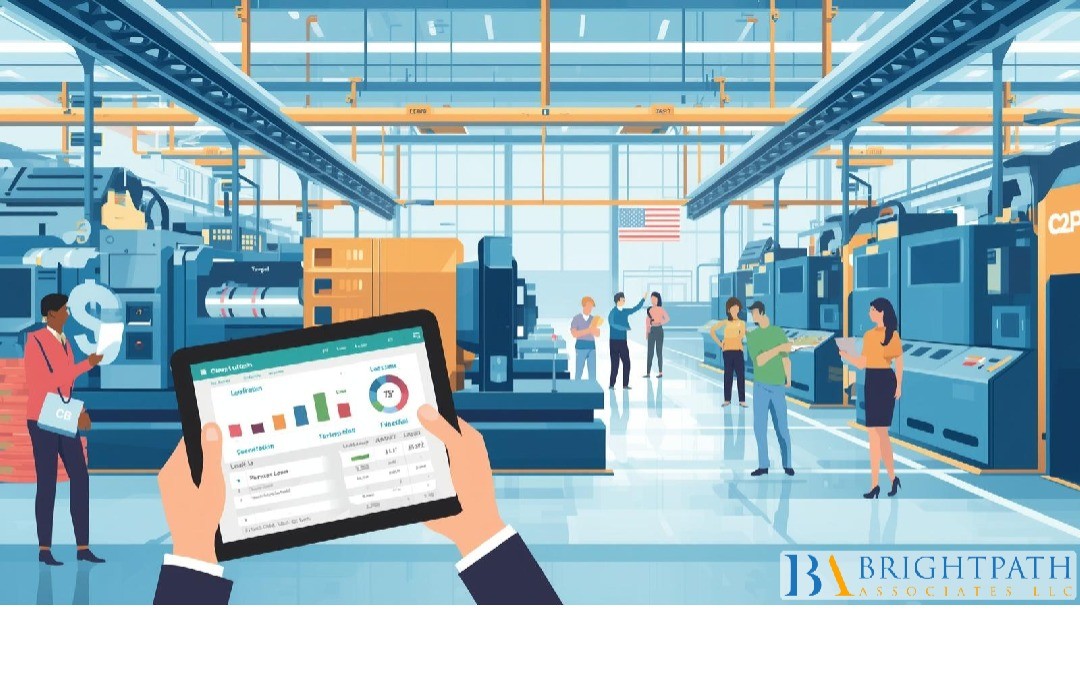
In today’s competitive industrial landscape, U.S. manufacturers and machinery businesses face a pivotal challenge: accessing the right financing to fuel growth, modernize operations, and adopt advanced technologies without jeopardizing cash flow. Whether you’re scaling production, replacing outdated equipment, or embracing digital modernization, strategic capital allocation is no longer optional — it’s foundational to sustaining long-term competitiveness.
For decision makers in the machinery sector, understanding the evolving landscape of machinery financing can unlock critical pathways to growth. Explore how smart financing strategies empower companies to expand, innovate, and drive operational excellence. To explore the broader executive landscape and talent needs within this ecosystem, visit our Machinery Industry overview page.
Why Machinery Financing Matters More Than Ever
Machinery — ranging from heavy assembly line systems to precision CNC tools — represents a core asset in industrial operations. Yet, these assets come with significant upfront costs that can strain working capital. Traditional cash purchases may limit strategic initiatives such as automation, expansion into new markets, or sustainability upgrades.
This is where machinery financing steps in: It transforms capital investment from a static burden into a dynamic tool for competitive advantage. Benefits of strategic machinery financing include:
-
Preserving working capital by spreading equipment costs over time
-
Accelerating technology adoption without large upfront expenditures
-
Improving cash flow flexibility to support operational needs and strategic investments
-
Potential tax incentives and depreciation benefits tied to financed equipment
-
Aligning payments with revenue generation cycles for healthier financial planning
Top Machinery Financing Options Available in the U.S.
1. Traditional Equipment Loans
Equipment loans remain a cornerstone financing option for machinery acquisition. These loans allow businesses to own the machinery outright while paying principal and interest over set terms. Depending on the lender and the borrower’s credit profile, terms can vary from 3 to 7 years or more.
-
Ideal for companies aiming to own long-term assets
-
Often provides lower interest rates than unsecured financing
-
Compatible with tax deductions through depreciation
2. Leasing and Rental Agreements
Leasing is a flexible alternative when preserving liquidity is critical. Instead of ownership, businesses pay periodic lease fees, often with options to upgrade equipment or buy at lease end.
-
Minimal upfront capital required
-
Useful for rapidly evolving tech environments
-
Offers access to newer machinery with shorter replacement cycles
3. SBA-Backed Loans (Including 504 Loans)
The U.S. Small Business Administration (SBA) helps businesses secure capital that might be difficult to acquire through traditional channels. One pivotal tool is the SBA 504 Loan, designed for long-term fixed asset financing, including machinery. Key features:
-
Lower down payments (often 10%)
-
Fixed interest rates for up to 10 years
-
Shared risk between SBA, banks, and certified development companies
-
Attractive for small to mid-sized enterprises without extensive collateral
4. Private and Alternative Lending Solutions
With traditional banks becoming more selective, many companies are turning to private lenders, equipment finance firms, and alternative credit sources. These institutions often offer faster approvals, flexible repayment options, and creative structures that fit unique business needs.
These options are particularly attractive for companies that need rapid deployment of capital or those with specific operational timelines that don’t align with conventional loan processing.
Current Trends Shaping Machinery Financing
The machinery financing landscape is evolving rapidly. Staying ahead of trends can mean securing more favorable terms and accessing capital that aligns with broader business goals.
-
Digital Transformation in Financing: Lenders now leverage digital platforms and automated underwriting models to expedite approvals, sometimes in a matter of days rather than weeks. Real-time analytics and digital interfaces streamline the application experience — a significant advantage for small and mid-sized firms with limited in-house financial teams.
-
Flexible Structures Gain Traction: Instead of traditional fixed loan terms, financing now includes hybrid packages such as leases with performance-based payments, rentals with upgrade options, and usage-based financing. These structures provide more alignment between machine utilization and financial obligations.
-
Sustainability-Linked Financing: With environmental and social governance (ESG) considerations growing across industries, machinery financing increasingly includes incentives for greener equipment purchases — from energy-efficient engines to electric-powered production tools. Though traditionally tied to tax credits or rebates, lenders are beginning to embed this focus into financing terms.
Conclusion: Finance Wisely, Grow Strategically
In an era of rapid market shifts, machinery financing has become a strategic tool — not just a funding mechanism. For U.S. manufacturers and machinery businesses, the right capital approach can drive operational efficiency, competitive advantage, and sustainable growth.
If you’d like to explore the original insights that inspired this examination of machinery capital strategies, read our detailed piece: Machinery Financing in the U.S.: Strategic Options for Capital Investment and Growth.
