Logistics Bottlenecks in Bulk Commodities: Strategies for Operational Continuity
Author : Shawn Fisher | Published On : 15 Oct 2026
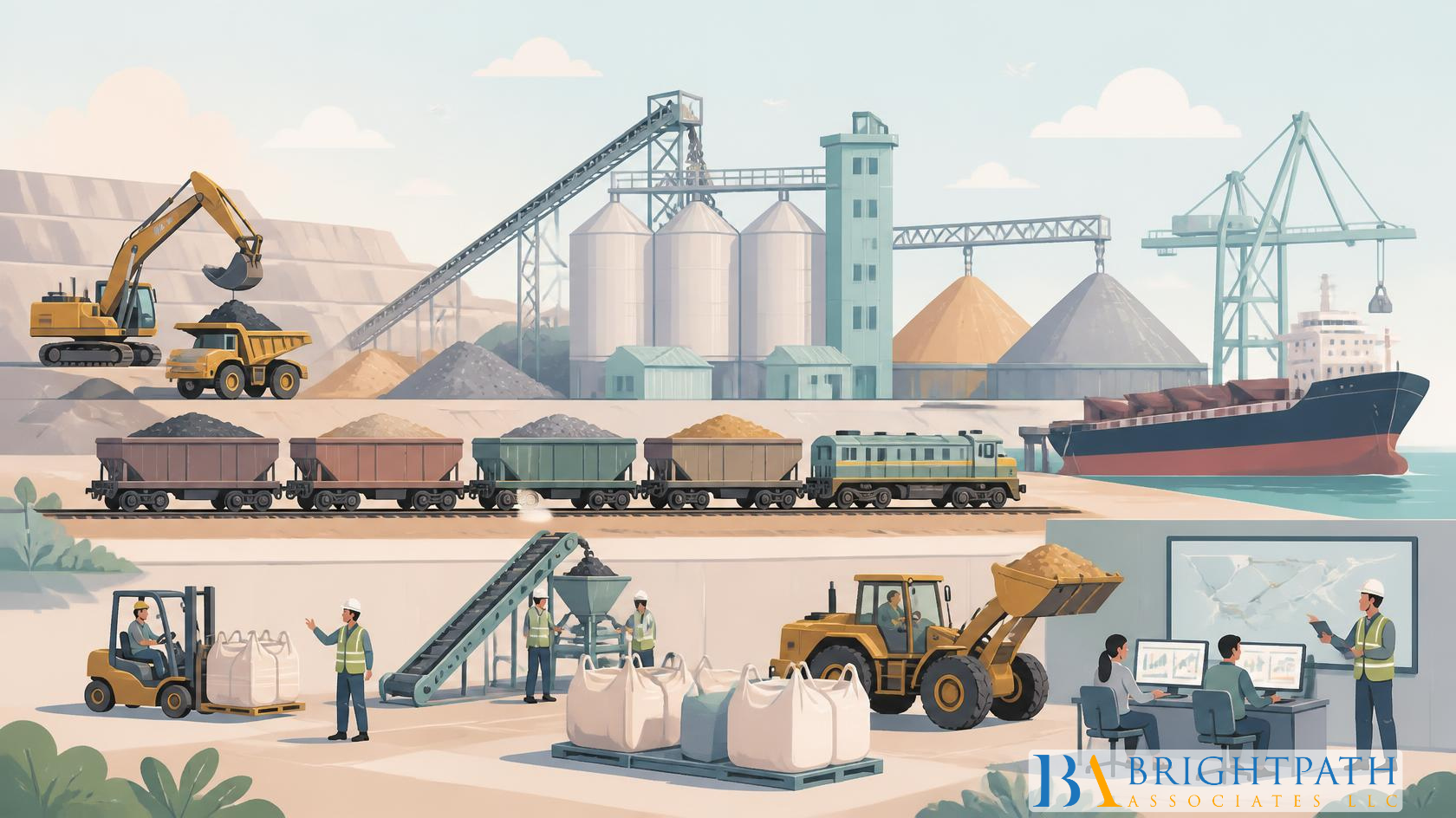
In the mining and metals industry, operational success depends on more than extraction capacity, processing efficiency, and market demand. The ability to move raw materials, intermediate products, and finished commodities reliably is equally important. When transportation networks become congested, ports experience delays, rail capacity tightens, or storage facilities reach their limits, even highly productive mining operations can face costly interruptions.
For small and mid-sized mining and metals companies across the United States, logistics bottlenecks can threaten delivery commitments, increase operating expenses, and weaken customer relationships. These businesses often have fewer resources than larger competitors to absorb unexpected transportation costs or maintain extensive contingency inventories.
Addressing these challenges requires a strategic approach that combines supply chain visibility, diversified transportation options, inventory planning, digital technology, and experienced leadership. By identifying vulnerabilities before they disrupt operations, mining companies can improve operational continuity and build more resilient commodity supply chains.
Understanding the Causes of Bulk Commodity Logistics Bottlenecks
Bulk commodities such as coal, iron ore, copper concentrates, steel products, aggregates, and industrial minerals require specialized handling and transportation. Their weight, volume, storage requirements, and delivery schedules create logistical challenges that differ from those associated with smaller manufactured goods.
Railways, highways, inland waterways, ports, and storage terminals frequently operate as interconnected components of a single supply chain. A disruption at one location can affect multiple downstream activities. For example, a delayed rail shipment may prevent a processing facility from receiving essential materials on schedule, while congestion at a port can leave finished products occupying valuable storage space.
Weather events, infrastructure limitations, equipment failures, labor shortages, and changing trade conditions can intensify these problems. Seasonal demand fluctuations may also create periods when transportation capacity becomes difficult to secure.
For smaller mining companies, dependence on a limited number of carriers, routes, or terminal operators can increase exposure to disruption. Understanding these dependencies is the first step toward developing a more flexible logistics strategy.
Strengthening Coordination Across the Supply Chain
Logistics bottlenecks rarely exist in isolation. They often result from misalignment between departments, external partners, and operational schedules. Procurement teams may place orders without considering transportation capacity, while production managers may schedule output without accounting for downstream storage limitations. Sales teams may also commit to delivery dates that do not reflect current shipping conditions.
Cross-functional coordination helps prevent these issues. Mining and metals businesses should establish clear communication channels between procurement, production, logistics, sales, and finance. Shared performance indicators can encourage departments to make decisions that support overall supply chain reliability rather than optimizing individual functions.
Useful indicators include on-time delivery performance, transportation cost per unit, inventory availability, shipment lead-time variability, and the frequency of unplanned production interruptions. Companies operating across the mining and metals industry can strengthen their operational strategies by integrating logistics planning with broader business priorities, including production efficiency, customer satisfaction, financial performance, and risk management.
Regular coordination meetings and clearly defined escalation procedures also help ensure that emerging problems reach decision-makers quickly. When responsibilities are understood in advance, teams can respond faster and avoid unnecessary delays caused by uncertainty over who should act.
Conclusion: Turning Logistics Resilience Into a Competitive Advantage
Bulk commodity logistics bottlenecks can create significant challenges for mining and metals businesses, affecting production schedules, transportation expenses, customer relationships, and profitability. However, these risks can be managed more effectively through improved visibility, diversified transportation networks, disciplined inventory planning, cross-functional coordination, and strategic workforce development.
For small and mid-sized U.S. companies, resilience does not necessarily require massive infrastructure investments. It begins with identifying critical vulnerabilities, establishing clear contingency plans, and ensuring that employees have the information and authority needed to respond quickly.
Organizations that treat logistics as a strategic business function rather than a routine operational expense are better positioned to manage uncertainty, protect customer commitments, and pursue sustainable growth. For further insights into managing transportation constraints and protecting supply chain performance, explore BrightPath Associates' article on logistics bottlenecks in bulk commodities and strategies for operational continuity.
Share your experiences and perspectives in the comments. If your organization needs experienced executives to strengthen supply chain performance, improve operational resilience, or lead strategic growth initiatives, connect with BrightPath Associates LLC to discuss your executive recruitment needs.
