Load Cells: Everything You Need to Know About Industrial Weighing Sensors
Author : Equal Store | Published On : 10 Jul 2026
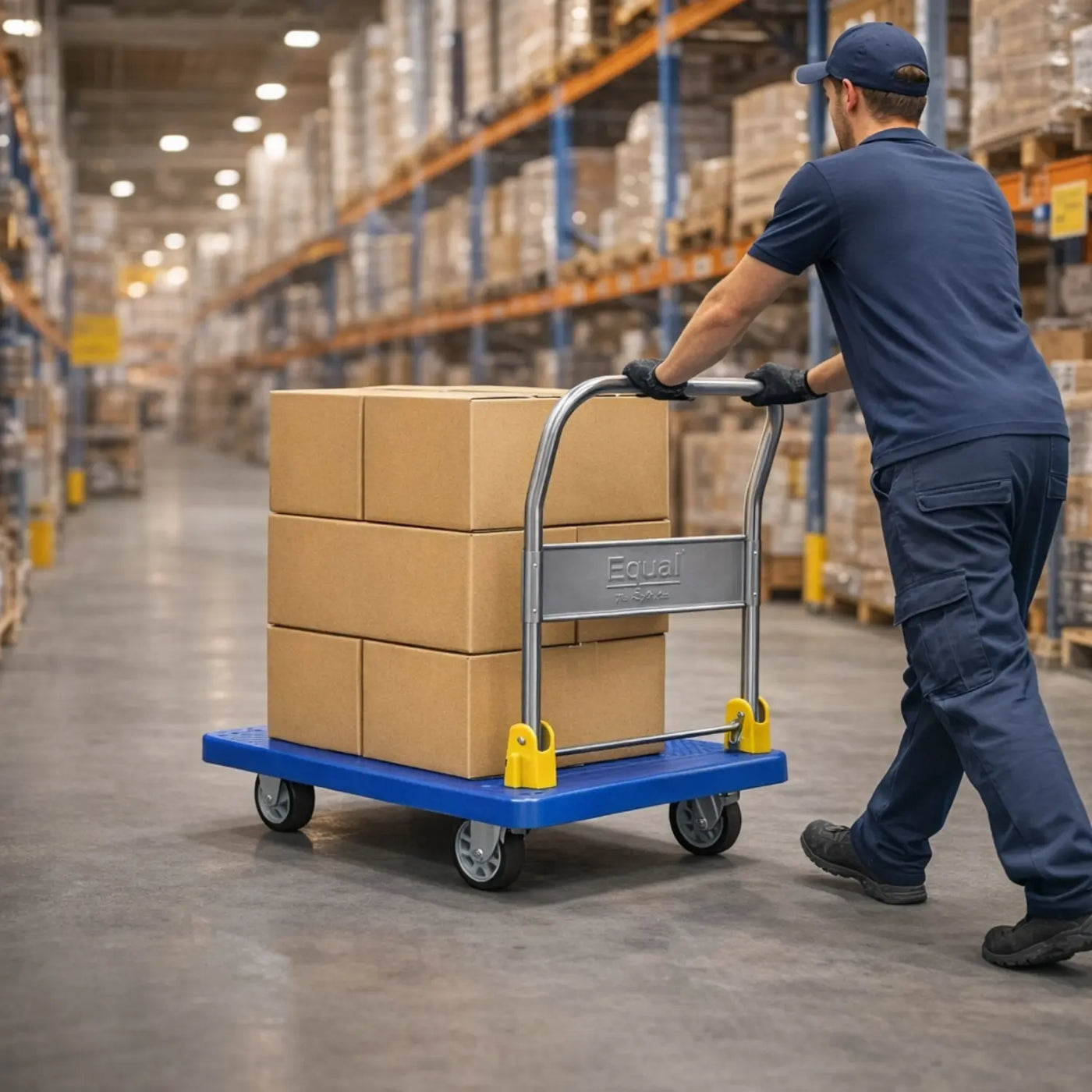
From compact bench scales to high-capacity truck weighbridges, load cells are trusted across a wide variety of industries because they deliver dependable, repeatable, and highly accurate measurements. Their ability to integrate with digital indicators, PLCs, and automated control systems has made them an essential component in today's smart manufacturing and industrial environments.
Equal offers a broad range of industrial load cells designed to meet the demanding needs of commercial and industrial applications. Built for durability and precision, these load cells support businesses that require reliable performance under continuous operation and challenging working conditions.
What Is a Load Cell?
A load cell is an electromechanical sensor used to measure force or weight. It converts the physical pressure applied to its structure into an electrical signal that can be processed and displayed as an accurate weight value.
Most industrial load cells operate using strain gauge technology. As force is applied, the metal body deforms slightly. Strain gauges attached to the body detect this microscopic movement by changing their electrical resistance. The resulting signal is amplified and converted into a precise weight reading.
Because of their exceptional accuracy and long-term stability, load cells are widely used in industrial weighing systems, laboratory equipment, logistics operations, and automated manufacturing processes.
How a Load Cell Works
Although the technology inside a load cell is sophisticated, the operating principle is straightforward.
When an object applies force to the sensor, the metal element flexes by an extremely small amount. Strain gauges bonded to this element detect the deformation and convert it into electrical resistance changes.
These changes are measured through a Wheatstone bridge circuit, which produces a low-voltage output signal. A weighing indicator or digital controller amplifies this signal and converts it into an accurate weight measurement displayed on the system.
This process takes only fractions of a second, allowing industries to obtain real-time weight data with remarkable precision.
Components of an Industrial Load Cell
Every load cell consists of several carefully engineered parts that work together to provide reliable measurements.
Load Bearing Structure
Manufactured from high-strength alloy steel or stainless steel, this component supports the applied load while maintaining structural stability.
Strain Gauges
These sensitive measuring elements detect tiny changes in the metal structure and generate electrical resistance variations.
Wheatstone Bridge
The bridge circuit combines signals from the strain gauges and converts them into a stable voltage output.
Environmental Sealing
Industrial load cells are sealed to protect internal electronics from moisture, dust, vibration, and contaminants.
Shielded Signal Cable
Specialized cables transmit electrical signals accurately while minimizing interference from nearby electrical equipment.
Common Types of Load Cells
Different weighing applications require different load cell designs. Selecting the right type improves measurement accuracy and system reliability.
Compression Load Cells
Compression load cells measure downward force and are commonly installed in heavy-capacity weighing systems.
Typical applications include:
- Truck weighbridges
- Industrial tanks
- Storage silos
- Heavy machinery
- Material handling systems
Tension Load Cells
Tension load cells are designed to measure pulling forces.
These sensors are widely used for:
- Crane scales
- Hoisting equipment
- Lifting systems
- Cable force monitoring
- Suspended weighing applications
Shear Beam Load Cells
Shear beam load cells are known for their excellent accuracy and rugged construction.
They are commonly used in:
- Platform scales
- Floor scales
- Conveyor systems
- Filling machines
- Packaging equipment
Double-Ended Shear Beam Load Cells
These heavy-duty load cells distribute weight evenly, making them ideal for large industrial weighing systems.
Applications include:
- Truck scales
- Railway weighing
- Hopper weighing
- Bulk material storage
- Industrial platforms
Single Point Load Cells
Single point load cells provide accurate measurements even when loads are placed off-center.
They are frequently installed in:
- Bench scales
- Retail weighing machines
- Counting scales
- Food processing equipment
- Laboratory balances
Advantages of Using Load Cells
Load cells provide numerous benefits that make them the preferred solution for industrial weighing.
Exceptional Accuracy
Modern load cells deliver precise and repeatable weight measurements across a wide range of capacities.
Robust Construction
Manufactured from durable materials, industrial load cells are designed to withstand demanding working environments.
Quick Response Time
Electronic weighing systems provide immediate weight readings, improving productivity and operational efficiency.
Easy Integration
Load cells connect easily with weighing indicators, automation systems, PLCs, and industrial software.
Low Maintenance
Once installed correctly, load cells require minimal maintenance while offering years of dependable service.
Flexible Applications
A wide variety of capacities and designs allows load cells to be used across numerous industries.
Industrial Applications
Load cells play a key role in modern industrial operations.
Manufacturing
Production facilities use load cells for process control, batching, filling, and quality inspection.
Logistics and Warehousing
Accurate weighing helps optimize inventory management, shipping, receiving, and freight operations.
Transportation
Truck weighbridges equipped with industrial load cells ensure vehicles operate within legal weight limits.
Food and Beverage
Precise ingredient measurement supports consistent product quality and efficient packaging.
Pharmaceutical Industry
High-accuracy weighing systems help maintain formulation consistency and meet strict regulatory requirements.
Chemical Processing
Load cells monitor liquids, powders, and raw materials throughout production processes.
Agriculture
Applications include grain storage, livestock weighing, fertilizer production, and feed manufacturing.
Construction
Heavy lifting equipment uses load cells to improve safety and monitor load conditions.
Mining
Mining companies rely on industrial weighing systems for measuring extracted materials and improving operational efficiency.
Selecting the Best Load Cell
Choosing the right load cell depends on several important factors.
Consider:
- Maximum operating capacity
- Accuracy requirements
- Environmental conditions
- Installation method
- Material type
- Protection rating
- Output signal compatibility
- Application-specific requirements
A properly selected load cell improves weighing accuracy while extending equipment lifespan.
Standard Load Cell Capacities
Industrial load cells are available in various capacities to accommodate different applications.
Common capacities include:
- 50 kg
- 100 kg
- 250 kg
- 500 kg
- 1 Ton
- 2 Ton
- 5 Ton
- 10 Ton
- 20 Ton
- 30 Ton
- 40 Ton
Higher-capacity models are commonly installed in weighbridges, heavy industrial equipment, and bulk material handling systems.
Environmental Protection Ratings
Industrial environments can expose weighing equipment to dust, moisture, vibration, and harsh weather conditions.
To ensure long-term reliability, many load cells are designed with protection ratings such as:
- IP67
- IP68
- IP69K
These ratings indicate resistance to dust ingress, water exposure, and high-pressure cleaning procedures.
Installation Best Practices
Correct installation plays an important role in achieving accurate and reliable measurements.
Recommended guidelines include:
- Mount the load cell on a stable foundation.
- Prevent side loading whenever possible.
- Use appropriate mounting hardware.
- Protect electrical cables from physical damage.
- Tighten fasteners according to specifications.
- Calibrate the weighing system after installation.
- Inspect the system periodically.
Following these practices helps maintain consistent weighing accuracy.
Maintenance Tips
Routine inspection and maintenance help maximize the lifespan of industrial load cells.
Suggested maintenance includes:
- Cleaning accumulated debris.
- Inspecting cables and connectors.
- Checking mounting bolts.
- Verifying calibration.
- Preventing overload conditions.
- Replacing damaged components promptly.
Regular maintenance reduces downtime and ensures dependable long-term performance.
Industries That Benefit from Load Cells
Load cells are used in a wide variety of industries, including:
- Manufacturing
- Warehousing
- Logistics
- Agriculture
- Mining
- Construction
- Food processing
- Pharmaceutical manufacturing
- Chemical processing
- Packaging
- Automotive production
- Steel manufacturing
- Recycling
- Industrial automation
- Transportation
Their versatility makes them one of the most widely adopted sensing technologies in modern industry.
Why Choose Equal?
Equal supplies industrial load cells that combine precision engineering with reliable performance. Designed for demanding applications, these products support platform scales, weighbridges, tank weighing systems, process automation, and custom industrial solutions.
Customers choose Equal for its extensive product selection, dependable quality, technical expertise, competitive pricing, and commitment to delivering weighing solutions that meet the evolving needs of industrial businesses.
Frequently Asked Questions
What is a load cell used for?
A load cell measures force or weight and converts it into an electrical signal that is displayed by an electronic weighing system.
Which load cell is suitable for heavy-duty applications?
Compression and double-ended shear beam load cells are commonly selected for weighbridges, tanks, silos, and other high-capacity industrial applications.
Can load cells be used outdoors?
Yes. Many industrial load cells feature sealed construction and high IP protection ratings that allow reliable operation in outdoor and harsh environments.
How accurate are load cells?
Industrial load cells provide excellent accuracy and repeatability when installed, calibrated, and maintained correctly.
How often should load cells be calibrated?
Calibration frequency depends on usage and industry requirements, but regular calibration is recommended to maintain consistent measurement accuracy.
Conclusion
Load cells are a vital component of modern weighing technology, enabling industries to achieve accurate measurements, improve productivity, and maintain high standards of quality and safety. Their versatility allows them to support applications ranging from compact weighing systems to large-scale industrial operations, making them indispensable across countless sectors.
Investing in high-quality load cells ensures reliable performance, long service life, and dependable results for years to come. With a comprehensive range of industrial weighing solutions, Equal continues to help businesses implement accurate, efficient, and durable weighing systems that support operational excellence and long-term success.
