Leadership Development in Manufacturing: Cultivating Leaders for Competitive Future
Author : Ayesha Diaz | Published On : 26 Mar 2026
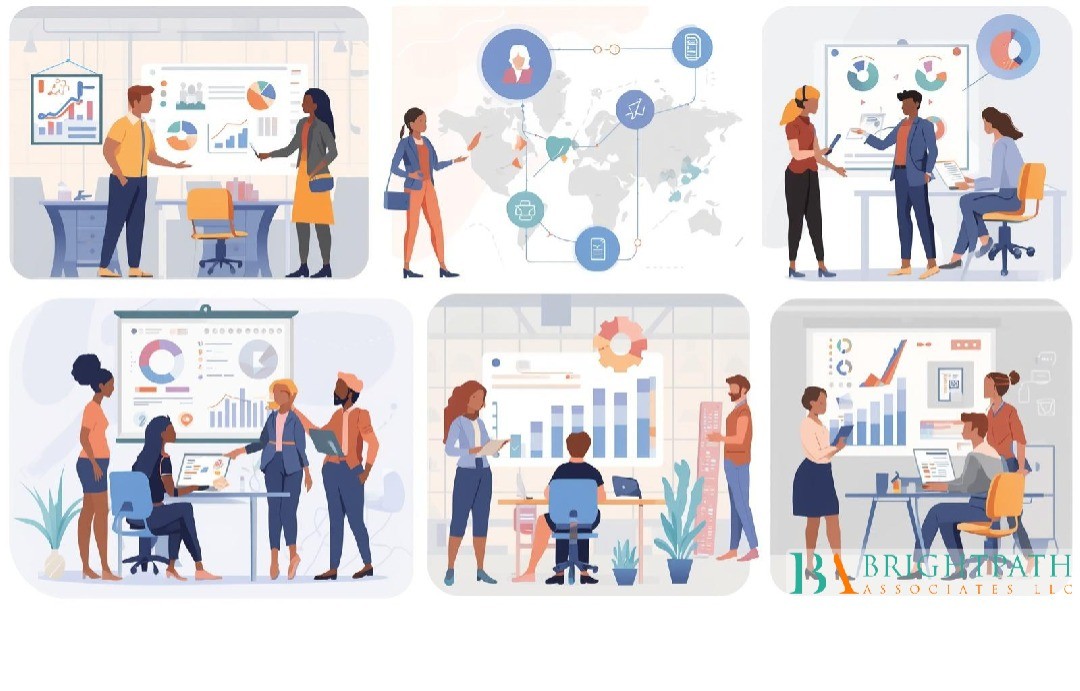
The manufacturing landscape is undergoing a profound shift, one that extends far beyond machines and production lines. As machinery manufacturers navigate digital transformation, globalization, and competitive pressure, one factor stands out as a pivotal driver of sustained growth and resilience: leadership development. In the past, manufacturing leadership often centered on operational oversight and cost control, but today’s environment calls for a new breed of leaders—those who understand technology, inspire teams, champion innovation, and align operational goals with strategic business imperatives. For small to mid-sized enterprises in the machinery sector across the United States, this shift presents both a challenge and a tremendous opportunity.
Leadership development in manufacturing is increasingly recognized as a strategic priority rather than a secondary HR task. Modern leaders must do much more than manage processes; they must be architects of transformation. They must navigate the adoption of advanced technologies such as CNC machining, industrial automation, digital monitoring systems, and predictive maintenance tools that are redefining how machinery is designed, operated, and maintained. These technologies are transforming operations from reactive to predictive, enabling higher productivity levels and cost-efficient outcomes, but they also require a sophisticated leadership mindset capable of interpreting data, guiding strategic decisions, and fostering a culture of continuous improvement.
The evolving role of leadership in manufacturing reflects broader changes in the industry itself. With globalization stretching supply chains and digital transformation elevating the importance of real-time information, leaders must be adept at cross-functional collaboration, data-driven decision-making, and strategic planning. No longer can leadership be limited to the shop floor; it must extend to enterprise-level thinking that anticipates market demands, navigates regulatory landscapes, and capitalizes on emerging opportunities. This shift accentuates the need for a strong leadership pipeline—one cultivated through structured development efforts, mentorship, and intentional succession planning that prepares emerging leaders for complexity and scale.
A major aspect of leadership development in manufacturing is aligning workforce transformation with strategic vision. The rapid adoption of digital technologies is reshaping job roles, emphasizing skills such as data literacy, analytical thinking, and technological fluency. Leaders must be positioned not only to understand these technologies themselves but also to champion training and upskilling across the organization. This approach not only fosters employee engagement but also prepares teams to work alongside advanced machinery and automation systems, increasing operational efficiency and resilience. In smaller firms, where resource constraints can limit access to formal training programs, strategic leadership becomes even more critical; it sets priorities, allocates resources wisely, and builds partnerships that amplify internal capabilities.
Moreover, manufacturing leaders face an increasingly competitive market environment that demands agility and foresight. Economic unpredictability—such as fluctuating raw material costs, supply chain disruptions, and competitive pricing pressures—requires leaders who can adapt quickly and make informed decisions under uncertainty. These leaders must balance long-term strategic planning with effective risk management, ensuring that operational efficiency is maintained even as markets shift. In this context, leadership development blends traditional management competencies with strategic insight and emotional intelligence, creating leaders who can guide organizations through disruption while maintaining focus on growth.
Talent challenges in manufacturing further emphasize the need for intentional leadership development. Many organizations today face a widening gap between the skills required for modern manufacturing and the leadership talent available to meet those demands. Technical expertise alone is no longer sufficient; leaders must possess strategic vision, people management skills, and an understanding of how to leverage technology for competitive advantage. To address this gap, companies are increasingly turning to executive search experts and talent development partners who can help source, assess, and cultivate leaders with the right combination of technical, strategic, and interpersonal capabilities.
However, leadership development extends beyond recruitment alone. While bringing in seasoned leaders can accelerate change, sustainable transformation depends on building internal leadership capacity. This includes structured development programs, mentorship opportunities, and clear pathways for career progression that motivate employees and align talent growth with organizational goals. Organizations that embed leadership development into their culture empower employees at all levels to contribute to strategic outcomes, encouraging innovation and accountability throughout the enterprise.
Creating a leadership-driven culture also requires a commitment to continuous learning. The most effective leaders are those who remain curious, embrace new ideas, and model a growth mindset for their teams. This mindset becomes especially valuable as the machinery industry evolves through advancements like IoT-enabled systems, AI-driven analytics, and smart manufacturing platforms. Leaders who understand how to integrate these tools into business processes not only improve operational outcomes but also inspire confidence and creativity within their teams. In this way, leadership development becomes a catalyst for broader organizational transformation.
Strategic leadership is also integral to talent retention and employee engagement in manufacturing. In industries where the skills gap remains a top concern, employees are more likely to stay with organizations that invest in their growth and demonstrate clear leadership pathways. Leaders who prioritize transparent communication, professional development, and inclusive decision-making help create environments where talent feels valued and empowered to contribute meaningfully to strategic goals. These leadership practices not only increase retention but also strengthen organizational performance and stability.
As companies look to the future, leadership development will remain a defining factor in competitive success. Organizations that invest in cultivating leaders capable of navigating complexity, driving innovation, and aligning teams with strategic objectives will be better positioned to thrive in a dynamic market environment. This investment goes beyond individual training—it involves creating systems and cultures that support leadership at every level and tie leadership outcomes to long-term business results. In doing so, machinery manufacturers not only enhance operational performance but also strengthen their ability to respond to emerging trends, global disruptions, and shifting customer demands.
For leaders seeking deeper insights into the critical role of leadership development within manufacturing, the original analysis provides valuable perspectives and best practices. You can explore it here: Leadership Development in Manufacturing. To understand broader trends shaping the machinery sector and how leadership ties into overall industry success, visit our Machinery industry.
Leadership development is no longer a luxury; it is a strategic necessity. As machinery manufacturers continue to evolve, the organizations that cultivate visionary leaders today will lead the industry tomorrow.
Call to Action: How is your organization approaching leadership development in the face of technological change and market disruption? What challenges or successes have you experienced in preparing leaders for the future? Share your insights in the comments below—we’d love to hear your perspective. And if you’re looking to strengthen your leadership team to drive sustainable growth, connect with BrightPath Associates LLC to find the executive talent that will power your competitive advantage.
