Labor Challenge: Solutions for the Modern Environmental Workforce
Author : Ellen Gomes | Published On : 24 Feb 2026
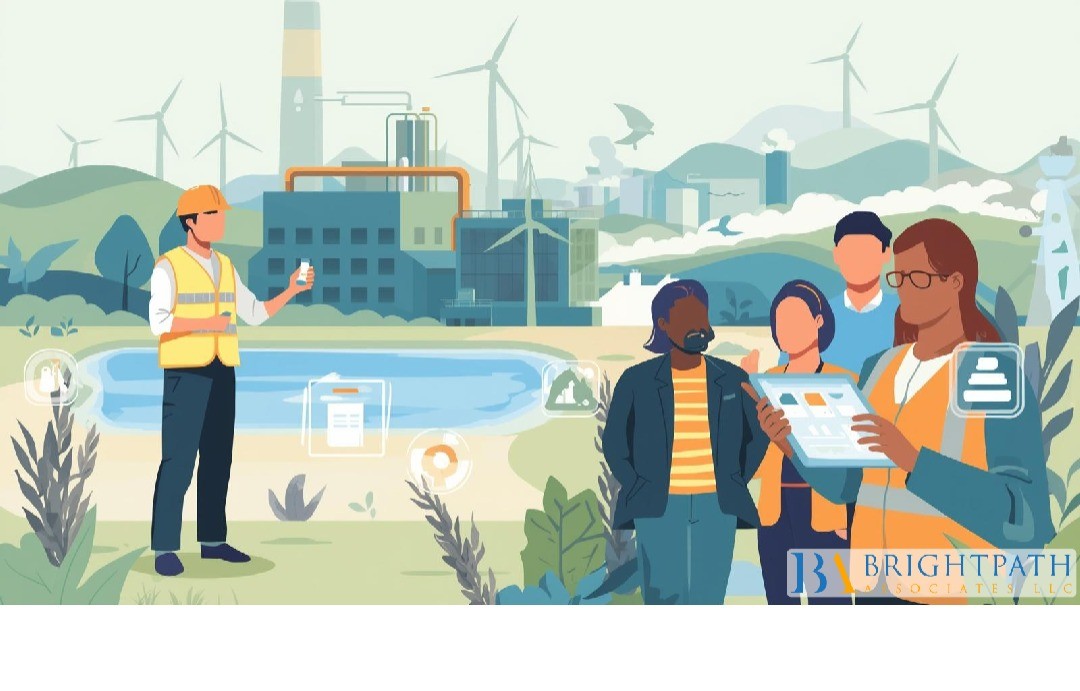
In a global era shaped by rising sustainability demands, regulatory complexity, and evolving environmental priorities, the modern Environmental Services industry stands at a crossroads. While opportunities abound, companies face one of the most persistent barriers to growth and operational resilience: labor challenges. Attracting, retaining, and nurturing the right workforce has become a strategic imperative — not just a human resources issue — especially for small to mid-sized enterprises competing for talent, innovation, and market impact.
As you consider workforce strategy for your organization, it helps to first understand the broader industry context here: Environmental Services Industry — a resource for C-suite executives and HR strategists focused on environmental operations, compliance, and sustainable growth.
Shifting Labor Landscape in Environmental Services
The Environmental Services industry — spanning consulting, waste management, remediation, air and water treatment, and sustainability solutions — is undergoing rapid transformation. Regulatory pressures are tightening, environmental compliance criteria are increasing, and ESG commitments are reshaping operational priorities. Yet, this shift has outpaced the availability of qualified talent.
Many organizations are struggling to hire professionals who can navigate both traditional environmental responsibilities and modern sustainability expectations. This shortage reflects broader labor market trends seen across industries, where careful workforce planning and agile recruitment strategies are now necessary to stay competitive.
Why Recruiting in the Environmental Workforce Is Harder Than Ever
Recent trends show that green jobs and environmental roles are growing faster than the available talent pool. LinkedIn’s 2025 Green Skills Report confirms that demand for green skills is rising nearly twice as fast as the workforce capable of fulfilling it. Without strategic intervention, this mismatch could slow environmental transition initiatives and limit organizational capacity to innovate. Key structural labor challenges include:
-
Skills shortages: Much like other technical sectors, environmental services struggle to fill specialized roles such as environmental engineers, compliance analysts, and field technicians.
-
Aging workforce: A significant proportion of experienced environmental professionals are nearing retirement, creating knowledge gaps and leadership shortages.
-
Training gaps: Many formal educational programs still lag behind the rapid pace of technological and regulatory change, producing candidates with incomplete skills or limited real-world readiness.
-
Competition with other sectors: Skilled workers with green or sustainability expertise are increasingly being pulled by renewable energy, clean technology, and ESG-driven corporate functions.
-
Retention pressures: Today’s professionals prioritize purpose, flexibility, and growth — attributes that environmental firms must increasingly integrate into workforce strategies to reduce turnover.
These dynamics create real strain not only on recruiting teams but on executive leadership, which must now align workforce strategy with broader operational and sustainability goals. The environmental workforce isn’t just about filling roles — it’s about future-proofing organizations in a world where talent drives impact.
Strategic Solutions to Bridge the Labor Gap
To address these challenges effectively, companies must deploy a blend of innovative hiring practices, internal development, and leadership foresight. Strategic workforce solutions increasingly involve proactive planning — not just reactive hiring.
-
Create a Talent Pipeline with Purpose: A strong employer brand that emphasizes environmental impact, sustainability missions, and corporate responsibility attracts professionals who want purpose in their work. Positioning your company as a leader in meaningful environmental outcomes helps distinguish your opportunities in a competitive labor market.
-
Expand Skill Development Internally: Upskilling existing employees — through targeted environmental compliance training, certification subsidies, and cross-functional learning — can reduce reliance on scarce external talent. This strategy also strengthens retention as employees see clear pathways toward growth and value.
-
Leverage Cross-Sector Recruiting: Many workers in operations, compliance, engineering, or project management in adjacent industries (like construction or manufacturing) possess transferable skills compatible with environmental work. Smart recruiters are now identifying potential hire pools in unexpected places and building pathways to bring them into environmental roles.
-
Strengthen Leadership Talent: Leadership challenges extend beyond technical competence. Today’s environmental leaders must navigate regulatory complexity, drive sustainability initiatives, and foster collaborative work cultures. Organizations that invest in leadership development — or partner with expert executive recruiters — gain advantage in building stable, future-ready teams.
Role of Strategic Recruitment Partners
Executive search firms specializing in environmental markets play a crucial role in addressing labor challenges. They apply deep industry knowledge and targeted talent mapping to identify professionals with the rare mix of technical, compliance, and leadership skills required in this sector.
At BrightPath Associates LLC, we work with small and mid-sized organizations to design strategic workforce approaches tailored to your unique operational needs — ensuring you find the right leaders who understand environmental dynamics and drive long-term success.
Many companies treat recruitment as a transactional process — posting job ads and waiting for applications. But in the evolving environmental workforce, it’s a strategic investment with measurable impact on operations, compliance, and reputation. When properly aligned with business strategy, recruitment becomes a catalyst for growth.
To revisit the core insights that inform these workforce strategies, view the foundational blog here: Labor Challenge Solutions for the Modern Environmental Workforce.
Looking Ahead: What’s Next for Environmental Workforce Strategy
As regulatory expectations tighten and sustainability goals become non-negotiable, the future success of environmental firms will be defined by their ability to attract, develop, and retain talent that blends technical excellence with strategic foresight. Tomorrow’s workforce will expect organizations to offer:
-
Clear career advancement pathways
-
Continuous learning opportunities
-
Flexible work structures and supportive leadership
-
Strong cultural alignment around purpose and impact
Companies that proactively adapt to these expectations will outperform competitors in both productivity and talent stability
