Knotless Braids: A Stylish, Comfortable, and Versatile Protective Hairstyle
Author : gshg gsgsd | Published On : 23 Aug 2026
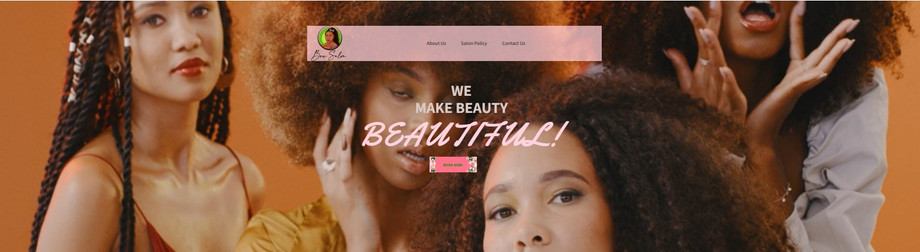
Knotless braids have become one of the most popular protective hairstyles for people who want a combination of beauty, versatility, and comfort. Unlike traditional box braids, knotless braids are created without the small knot typically used to attach extension hair at the base of each braid. Instead, the stylist gradually feeds extensions into the natural hair as the braid progresses. This technique creates a flatter, more natural-looking finish while reducing some of the tension commonly associated with traditional braiding methods.
From everyday wear to special occasions, knotless braids offer countless styling possibilities. They can be customized according to length, thickness, color, and design, making them suitable for many different personal styles. With proper preparation, installation, and maintenance, knotless braids can also help protect natural hair from excessive manipulation.
What Are Knotless Braids?
Knotless braids are a type of individual braid that begins with the person's natural hair rather than a bulky extension knot. The stylist starts braiding the natural hair and gradually adds small amounts of extension hair. This creates a seamless transition between the natural hair and the extensions.
The absence of a traditional knot is one of the defining characteristics of the style. It gives the roots a flatter appearance and can make the braids look more natural. Because the extensions are added gradually, the finished braids often have a lightweight and flexible feel.
Knotless braids can be made in different sizes, including small, medium, large, and jumbo. The appropriate size depends on the desired appearance, the density of the natural hair, and how much time the person wants to spend on installation and maintenance.
Benefits of Knotless Braids
One of the biggest advantages of knotless braids is their natural appearance. Because there is no visible extension knot at the base, the braids can blend beautifully with the natural hair. This makes them especially attractive for people who prefer a clean and understated look.
Comfort is another major benefit. Traditional braids can sometimes feel tight when extensions are attached with a knot. Knotless braids generally distribute the added hair more gradually, which may create less pulling sensation at the roots. However, a braid that is installed too tightly can still cause discomfort or hair and scalp problems, regardless of the technique.
Another advantage is versatility. Knotless braids can be worn down, placed into ponytails, styled into buns, or arranged into more elaborate updos. The flexibility of the roots can make it easier to change hairstyles without completely removing the braids.
They can also be customized extensively. Clients can choose different lengths, braid sizes, colors, and parting patterns. Some people prefer classic black or dark brown extensions, while others choose highlights, ombré shades, or vibrant colors for a more expressive appearance.
Choosing the Right Size
The size of your knotless braids can significantly affect the overall look and maintenance routine.
Small knotless braids provide a detailed and sophisticated appearance. They offer many styling possibilities but generally require more installation time.
Medium knotless braids are a popular choice because they provide a balance between appearance, installation time, and manageability. They can look polished while remaining relatively easy to style.
Large or jumbo knotless braids create a bold appearance and can usually be installed more quickly. However, larger braids may place more weight on individual sections of hair when substantial amounts of extension hair are used.
The best size depends on the condition and density of the natural hair as well as the desired style. A professional stylist can help determine an appropriate size and amount of extension hair.
Preparing Your Hair
Good preparation can make the braiding process easier and help maintain healthy natural hair underneath the extensions. Before installation, many people begin by gently cleansing their hair and scalp. A clean scalp provides a fresh foundation for the hairstyle.
Deep conditioning can also help improve the softness and manageability of the hair. After washing and conditioning, the hair should be thoroughly detangled and dried according to the stylist's preferred method.
Avoid aggressively scratching the scalp immediately before braiding. Excessive scratching can create irritation and make the scalp more sensitive during installation.
It is also useful to communicate with your stylist before the appointment. If your scalp is sensitive or you have experienced discomfort from braids in the past, mention this before installation begins.
How Long Do Knotless Braids Last?
The lifespan of knotless braids varies depending on hair growth, braid size, installation quality, daily activity, and maintenance. Many people wear them for several weeks, but keeping them installed too long can lead to excessive buildup, tangling, or difficulty removing shed hair.
Instead of focusing only on how long the braids can technically remain installed, it is better to pay attention to the condition of the scalp and natural hair. If the scalp becomes irritated or the roots become excessively tangled, it may be time to remove the style.
Proper installation and gentle maintenance can help the braids remain attractive throughout their intended wear period.
Caring for Knotless Braids
Maintaining knotless braids does not have to be complicated. Keeping the scalp clean is important, particularly for people who exercise frequently or spend considerable time outdoors.
A gentle cleansing routine can help remove sweat, oil, and product buildup. The hair should be allowed to dry thoroughly after washing to prevent prolonged moisture from remaining around the roots.
Nighttime protection can also make a significant difference. Sleeping with a satin or silk scarf, bonnet, or pillowcase can reduce friction and help minimize frizz. It can also help preserve the appearance of the braids.
Avoid constantly pulling the braids into very tight ponytails or buns. Although knotless braids are flexible, repeated tension can place unnecessary stress on the natural hair.
Lightweight products may be used when needed, but excessive oils, creams, and gels can accumulate around the scalp and make the braids look dull or dirty. A simple maintenance routine is often best.
Knotless Braids for Different Occasions
One reason knotless braids remain so popular is their adaptability. They can work for casual everyday outfits, professional environments, vacations, parties, weddings, and other special events.
For a relaxed appearance, long knotless braids can simply be worn loose. A high ponytail creates a more energetic look, while a low ponytail can appear elegant and refined. A bun is another practical option, especially when keeping the hair away from the face.
Accessories can also transform the style. Hair cuffs, beads, ribbons, and decorative clips can add personality without requiring a completely different hairstyle.
Choosing a Professional Braider
The quality of the installation can greatly influence both the appearance and comfort of knotless braids. When choosing a stylist, consider their experience with the technique and look at examples of their previous work.
A good braider should pay attention to section size, braid consistency, extension weight, and tension. The braids should feel secure without causing significant pain or excessive pulling.
Communication is essential. Tell your stylist if a section feels too tight during installation. Pain should not simply be considered a normal part of getting braids.
Removing Knotless Braids
Knotless braids should be removed carefully rather than rushed. Over time, natural hair sheds normally, and some of those shed strands become trapped within the braids. Pulling or cutting carelessly can cause unnecessary breakage.
After removing the extensions, gently detangle the natural hair before washing. A cleansing and conditioning routine can help restore moisture and softness.
Allowing the hair a short break between protective styles can also make it easier to assess its condition and prepare for the next hairstyle.
Conclusion
Knotless braids combine modern styling with the practical advantages of a protective hairstyle. Their natural-looking roots, flexible design, and wide range of customization options have made them a favorite for many people. Whether you prefer small, detailed braids or long, bold styles, knotless braids can be adapted to suit different personalities and occasions.
The key to enjoying this hairstyle is proper care. Start with healthy, well-prepared hair, choose an experienced stylist, avoid excessive tension, maintain the scalp, and remove the braids carefully when it is time for a change. With the right approach, knotless braids can provide a stylish and convenient way to express your individuality while reducing the need for daily manipulation of natural hair.
