Kitchen Knives Guide Choosing the Best Knife for Cooking
Author : gree ge | Published On : 05 Jun 2026
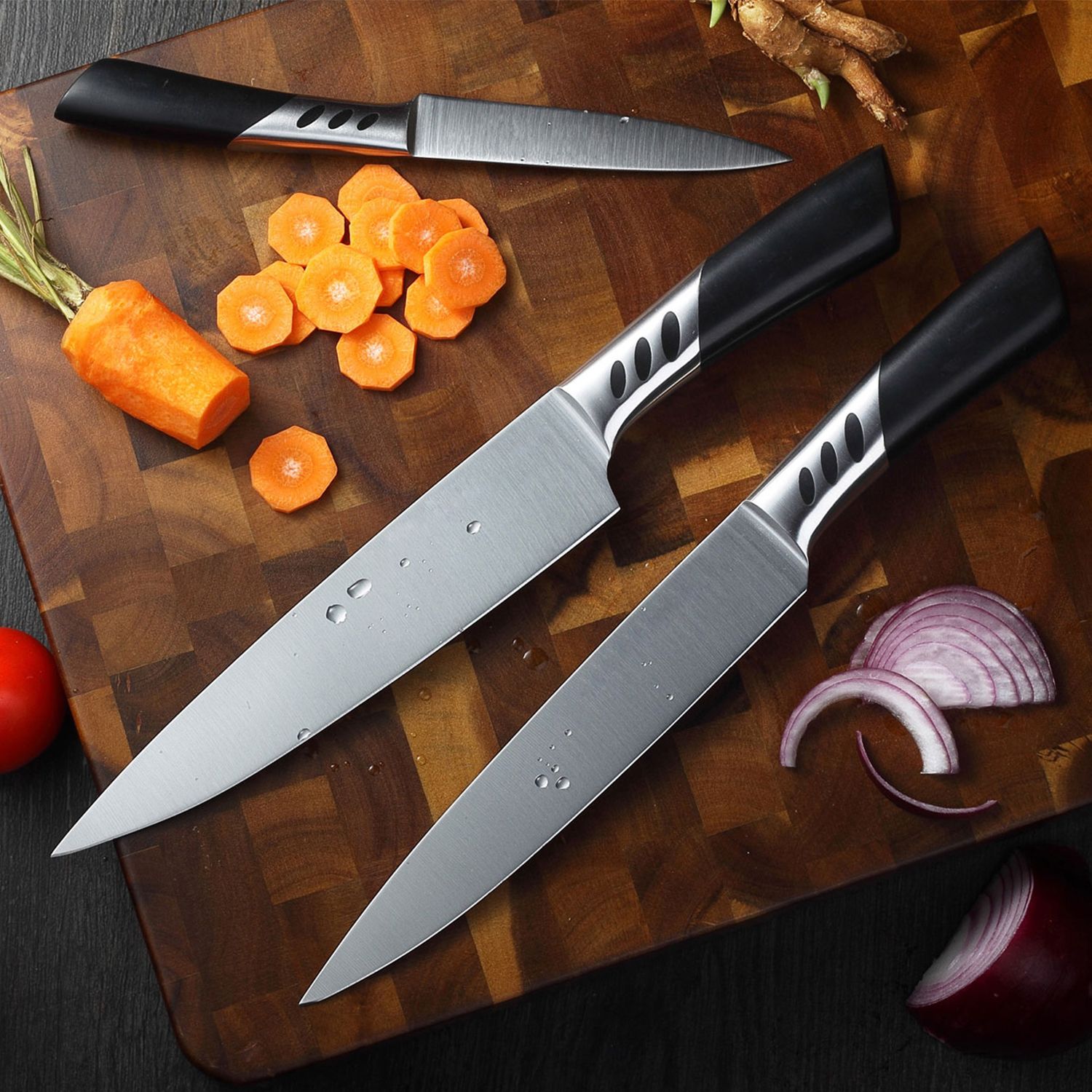 Kitchen knives are among the most important tools in any kitchen. Whether you are a professional chef or a home cook, having the right knife can make food preparation easier, faster, and safer. From slicing vegetables and carving meat to chopping herbs and filleting fish, different kitchen knives are designed for specific tasks.
Choosing quality kitchen knives is an investment that can improve your cooking experience and help you achieve better results. With so many styles, materials, and designs available, understanding the purpose of each knife can help you make an informed decision.
This guide explores the different types of kitchen knives, their uses, key features, maintenance tips, and how to choose the perfect knife for your needs.
What Are Kitchen Knives?
Kitchen knives are specialized cutting tools designed for food preparation. They come in various shapes and sizes, each created for specific kitchen tasks. A good knife offers precision, control, and efficiency while reducing the effort required during meal preparation.
Modern kitchen knives are made using different materials such as stainless steel, carbon steel, Damascus steel, and ceramic. Each material offers unique advantages regarding sharpness, durability, and maintenance.
Why Quality Kitchen Knives Matter
Many people underestimate the impact of a quality knife. However, using a well-crafted kitchen knife provides several benefits:
Better Cutting Performance
Sharp knives cut cleanly through ingredients without crushing or tearing them. This helps maintain the texture and appearance of food.
Increased Safety
Contrary to popular belief, sharp knives are safer than dull ones. Dull blades require more force, increasing the risk of slipping and causing injuries.
Improved Efficiency
A quality knife reduces preparation time and allows you to work more comfortably.
Long-Term Value
Premium kitchen knives often last for many years when properly maintained, making them a worthwhile investment.
Common Types of Kitchen Knives
Understanding the purpose of each knife helps you select the right tools for your kitchen.
Chef’s Knife
The chef’s knife is considered the most versatile kitchen knife. Typically measuring between 6 and 10 inches, it is suitable for:
- Chopping vegetables
- Slicing meat
- Dicing fruits
- Mincing herbs
Most home cooks can handle a wide range of kitchen tasks using a quality chef’s knife.
Paring Knife
A paring knife features a small blade and is ideal for precision work. Common uses include:
- Peeling fruits
- Trimming vegetables
- Removing seeds
- Detailed cutting tasks
Santoku Knife
Originating from Japan, the Santoku knife is designed for slicing, dicing, and chopping. Its shorter blade and lightweight design make it popular among many cooks.
Bread Knife
A bread knife features a serrated edge that easily cuts through bread without crushing it. It is also useful for slicing cakes, tomatoes, and soft fruits.
Utility Knife
The utility knife bridges the gap between a chef’s knife and a paring knife. It is ideal for medium-sized cutting tasks.
Boning Knife
Boning knives are designed for removing bones from meat, poultry, and fish. Their narrow blades provide greater precision around joints and bones.
Cleaver
A cleaver has a large, heavy blade designed for cutting through bones and tough ingredients. It is commonly used in butcher shops and professional kitchens.
Kitchen Knife Blade Materials
The material of a knife significantly affects its performance and maintenance requirements.
Stainless Steel
Stainless steel is one of the most popular choices because it:
- Resists rust and corrosion
- Requires minimal maintenance
- Offers good durability
Carbon Steel
Carbon steel knives are known for exceptional sharpness and edge retention. However, they require more care to prevent rust.
Damascus Steel
Damascus steel combines beauty and performance. Its distinctive wave-like patterns make each knife unique while providing excellent strength and sharpness.
Ceramic
Ceramic knives remain sharp for long periods and are lightweight. However, they can be more brittle than steel alternatives.
How to Choose the Best Kitchen Knives
When shopping for kitchen knives, consider the following factors.
Purpose
Think about the types of food you prepare most often. A chef’s knife may be enough for general cooking, while specialized tasks may require additional knives.
Blade Length
Longer blades are useful for larger ingredients, while shorter blades offer better control for detailed work.
Handle Comfort
Choose a knife with an ergonomic handle that feels comfortable in your hand. Comfort is especially important for extended use.
Weight and Balance
A well-balanced knife provides better control and reduces hand fatigue. Some cooks prefer heavier knives, while others enjoy lighter designs.
Construction Quality
Full-tang knives, where the blade extends through the handle, generally offer better durability and stability.
Maintenance Requirements
Consider how much maintenance you are willing to perform. Stainless steel knives require less care than carbon steel options.
Proper Care and Maintenance of Kitchen Knives
Taking care of your kitchen knives ensures long-lasting performance.
Hand Wash Only
Avoid placing knives in the dishwasher. Hand washing helps preserve the blade and handle.
Dry Immediately
Always dry knives thoroughly after cleaning to prevent corrosion and water damage.
Use Proper Cutting Boards
Wood and plastic cutting boards are gentler on knife edges than glass or stone surfaces.
Sharpen Regularly
Routine sharpening maintains optimal cutting performance and extends the life of the blade.
Store Safely
Store knives using:
- Knife blocks
- Magnetic strips
- Blade guards
- Protective knife rolls
Proper storage protects both the blade and the user.
Signs It Is Time to Replace a Kitchen Knife
Even high-quality knives may eventually need replacement. Common signs include:
- Cracked blades
- Loose handles
- Excessive corrosion
- Difficulty maintaining an edge
Replacing worn-out knives ensures continued safety and performance.
Kitchen Knives for Home Cooks vs Professional Chefs
Home cooks and professional chefs often have different requirements.
Home Cooks
Most home kitchens benefit from:
- Chef’s knife
- Paring knife
- Bread knife
These three knives can handle most everyday tasks.
Professional Chefs
Professional chefs may require a wider selection, including:
- Santoku knives
- Boning knives
- Fillet knives
- Cleavers
- Specialty carving knives
Their extensive knife collections support a broader range of food preparation techniques.
Explore Premium Kitchen Knives at Malee Cut and Co
If you are looking for high-quality kitchen knives that combine craftsmanship, durability, and performance, Malee Cut and Co offers an impressive collection designed for both home cooks and culinary professionals. Their selection includes expertly crafted knives made from premium materials that deliver excellent cutting precision and long-lasting reliability. Whether you need a versatile chef's knife or a complete kitchen knife set, you can find options to suit your cooking style. Click here to explore the collection:
Conclusion
Kitchen knives are essential tools that influence the quality, efficiency, and enjoyment of cooking. Understanding the different types of knives, blade materials, and maintenance requirements helps you make smarter purchasing decisions. Whether you are preparing simple family meals or creating gourmet dishes, investing in quality kitchen knives can significantly improve your kitchen experience.
By selecting the right knives and caring for them properly, you can enjoy years of reliable performance and precision. A well-equipped kitchen starts with dependable cutting tools, making kitchen knives one of the most valuable investments any cook can make.
