Key Components of a Spreader Beam Explained
Author : Welmeqs Engineering and Lifting solutions FZE LLC | Published On : 03 Aug 2026
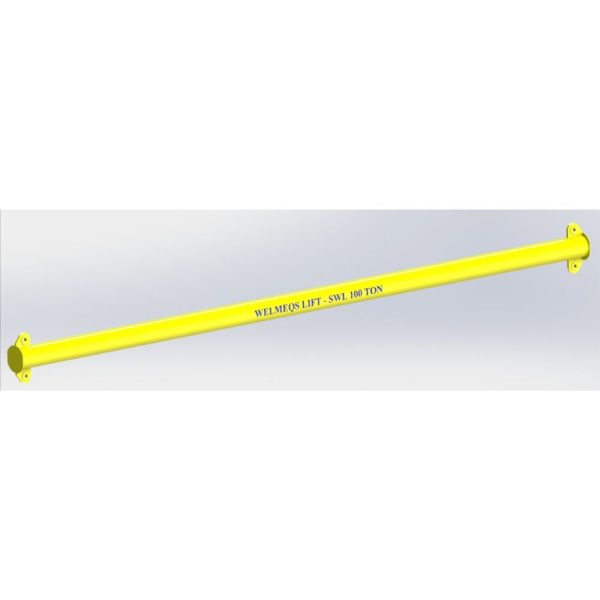
Lifting heavy or oversized loads safely requires more than just a crane and lifting slings. The right lifting attachment plays a major role in distributing weight, protecting the load, and improving operational safety. A spreader beam is one of the most widely used lifting devices in industries such as construction, oil and gas, manufacturing, logistics, and marine operations because it helps manage heavy loads with greater stability and reduced stress on lifting equipment.
Understanding the key components of a spreader beam allows project managers, lifting supervisors, and operators to select the right equipment for every lifting application. Knowing how each component works also supports safer lifting practices and longer equipment life.
What Is a Spreader Beam?
A spreader beam is a below-the-hook lifting device designed to separate lifting slings while distributing the weight of a load evenly. Unlike a lifting beam that primarily resists bending forces, a spreader beam transfers most of the load through compression, making it an ideal solution for lifting long, delicate, or irregularly shaped objects.
Industries rely on a spreader beam when lifting steel structures, pipelines, machinery, shipping containers, precast concrete sections, and other heavy equipment where load balance is essential.
Main Components of a Spreader Beam
Every spreader beam is engineered with several critical parts that work together to provide safe and reliable lifting performance.
Main Beam Structure
The central beam forms the backbone of the spreader beam. It is manufactured from high-strength structural steel to withstand heavy compressive loads during lifting operations. The beam's length and capacity are designed according to the intended application, ensuring optimal load distribution while minimizing stress on the lifted object.
Top Lifting Lug
Located at the upper section, the lifting lug connects the spreader beam to the crane hook using a master link or shackle. This connection point is carefully engineered to support the rated load while maintaining proper lifting geometry.
End Connection Points
At both ends of the beam are lifting lugs or shackles that connect to slings, chains, or wire ropes attached to the load. These connection points help transfer weight evenly and reduce excessive sling angles that could increase tension.
Supporting Components That Improve Performance
Besides the primary structure, several supporting elements contribute to the efficiency and safety of a spreader beam.
Shackles and Connecting Hardware
High-quality shackles, pins, and connecting hardware create secure attachment points between the beam and lifting accessories. These components must always match the working load limit of the complete lifting assembly.
Slings or Wire Ropes
The slings connected to a spreader beam should be selected according to the weight, lifting angle, and load configuration. Proper sling selection minimizes uneven loading while protecting both the equipment and the material being lifted.
Load Identification Plate
Every certified spreader beam should include a clearly visible identification plate displaying information such as:
- Safe Working Load (SWL)
- Serial number
- Manufacturer details
- Inspection information
- Applicable standards
This information helps operators verify that the equipment is suitable before each lift.
Protective Coating and Surface Finish
Industrial lifting equipment often operates in demanding environments. Protective coatings help the spreader beam resist corrosion, moisture, chemicals, and harsh weather conditions, extending its service life while reducing maintenance requirements.
Why Component Quality Matters
Even a well-designed lifting plan can be compromised if the spreader beam or its individual components are poorly manufactured or improperly maintained. High-quality materials, certified fabrication, routine inspections, and proper load testing all contribute to safe lifting operations.
Regular inspections should check for deformation, corrosion, cracks, worn connection points, damaged welds, and missing identification markings. Preventive maintenance helps identify potential issues before they affect lifting performance.
Choosing a spreader beam that complies with recognized lifting standards also supports workplace safety and regulatory compliance across industrial projects.
Selecting the Right Spreader Beam
Choosing the appropriate spreader beam depends on several important factors, including load weight, dimensions, lifting points, sling configuration, available crane capacity, and working environment. Projects involving oversized equipment or specialized loads often require custom-engineered lifting solutions to ensure maximum safety and efficiency.
Working with an experienced engineering and lifting solutions provider helps ensure the selected spreader beam is properly designed, manufactured, tested, and certified for its intended application.
When your project demands dependable lifting performance, Welmeqs Engineering and Lifting Solutions FZE LLC provides professionally engineered spreader beam solutions designed to meet challenging industrial lifting requirements. Their expertise in lifting equipment, custom fabrication, inspection, and engineering support helps businesses achieve safer, more efficient lifting operations with confidence.
