Keeping Business Vehicles Road-Ready: The Importance of Professional Fleet Collision Repairs
Author : Shubh Smash Repairs | Published On : 17 Nov 2026
For businesses that rely on vehicles every day, maintaining a dependable fleet is essential for smooth operations. Whether a company operates delivery vans, commercial cars, trade vehicles or service utes, unexpected accidents can create significant disruptions. Even minor collisions can affect vehicle performance, employee schedules and customer commitments. Having access to reliable smash repair services helps businesses manage these challenges and keep their operations running efficiently.
A well-maintained fleet also reflects a company's professionalism. Vehicles that are properly repaired and presented create a positive impression on customers, suppliers and business partners. For this reason, collision repairs should be treated as an important part of fleet maintenance rather than simply an occasional expense.
)
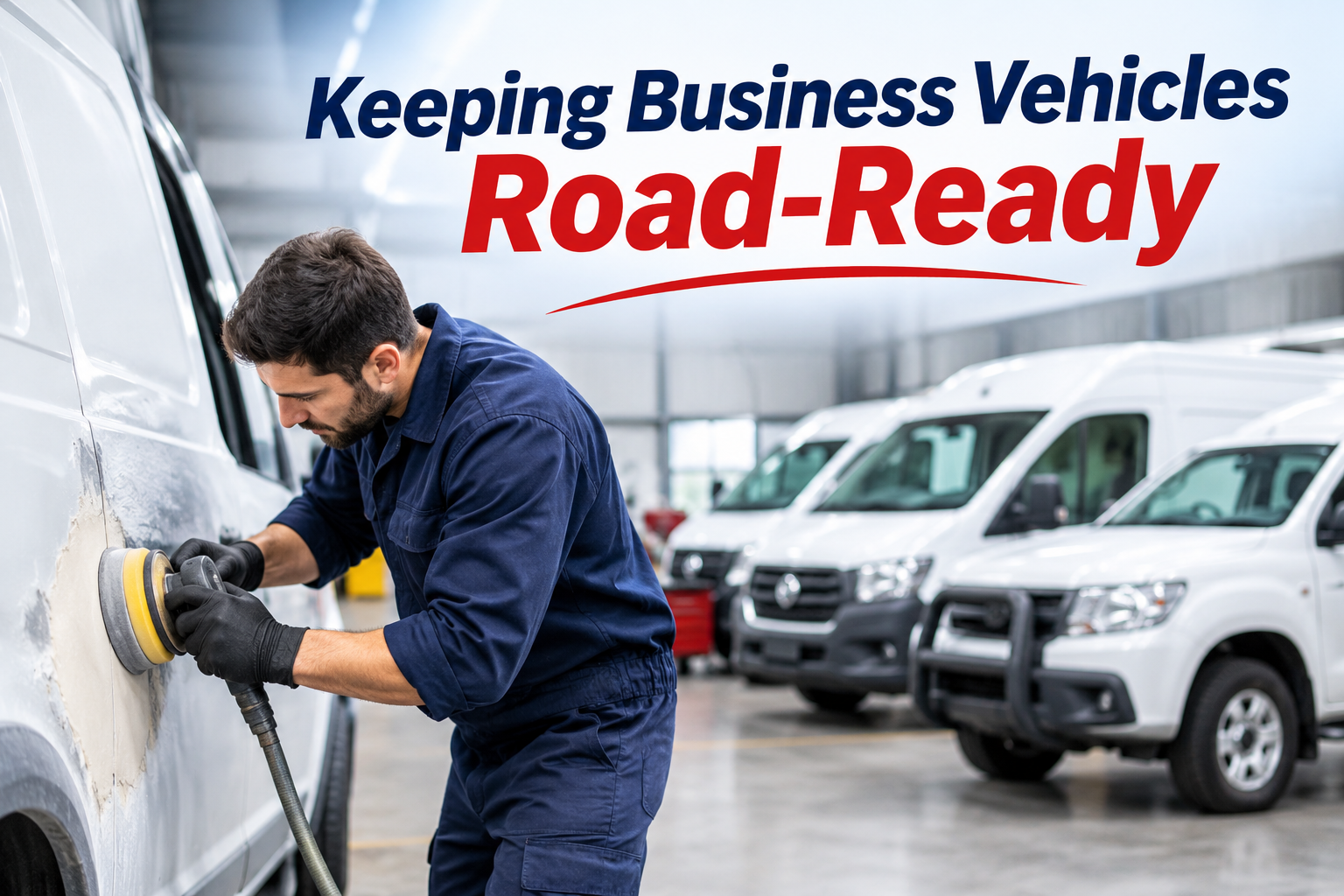
Why Fleet Vehicle Maintenance Matters
Commercial vehicles often travel longer distances and spend more time on the road than privately owned cars. Regular use increases their exposure to traffic incidents, road hazards and general wear and tear. A small accident can result in damaged panels, broken lights, scratched paintwork or more serious structural issues.
Ignoring collision damage may lead to additional problems over time. For example, damaged body panels can expose underlying materials to moisture, while misaligned components may affect vehicle safety and appearance. Addressing damage promptly helps businesses avoid unnecessary complications.
Effective fleet maintenance offers several benefits:
-
Helps maintain vehicle safety and roadworthiness.
-
Reduces the risk of further damage developing.
-
Supports consistent business operations.
-
Protects the company's professional image.
-
Helps businesses manage vehicle maintenance expenses.
-
Improves confidence among employees who drive company vehicles.
By arranging timely inspections and repairs, businesses can keep their vehicles in better condition and reduce unexpected interruptions.
Common Collision Damage Affecting Commercial Vehicles
Fleet vehicles are exposed to different driving conditions, particularly when operating in busy metropolitan areas. Congested roads, tight parking spaces, loading zones and frequent stop-start traffic can increase the likelihood of minor accidents.
Some common types of damage include:
Panel and bumper damage: Bumper cracks, dents and scratches are frequent results of low-speed collisions and parking incidents. Although some damage may appear cosmetic, an inspection can identify hidden issues behind the affected panels.
Paintwork scratches and dents: Scratches and dents can affect a vehicle's overall appearance. Professional panel beating and refinishing help restore the exterior and protect exposed surfaces.
Structural damage: More serious collisions can affect the vehicle's frame or supporting components. These issues require appropriate assessment and repair to help restore the vehicle to manufacturer specifications.
Glass and lighting damage: Cracked windows, damaged mirrors and broken headlights can affect visibility and driving safety. These components should be assessed and repaired or replaced where necessary.
Understanding the extent of the damage is important before deciding on the appropriate repair process.
Choosing the Right Smash Repair Provider
Selecting a suitable repairer is an important decision for businesses managing multiple vehicles. A reliable repair provider should understand the operational requirements of commercial fleets and provide clear communication throughout the repair process.
Businesses considering fleet smash repairs in melbourne should look for a provider with experience handling different vehicle types and collision damage. The ability to assess repair requirements, explain the process and provide realistic completion expectations can make a considerable difference to fleet management.
Several factors are worth considering when choosing a repair provider:
-
Industry experience: Look for technicians who understand vehicle body repairs and have experience with commercial vehicles.
-
Quality workmanship: Repairs should focus on safety, durability and restoring the vehicle's appearance.
-
Clear communication: Businesses should receive updates about repair progress and any additional work required.
-
Suitable repair facilities: Appropriate equipment and repair techniques are important for handling different types of collision damage.
-
Convenient service: A repair provider that understands business requirements can help reduce unnecessary delays.
Comparing these factors helps businesses make informed decisions rather than choosing a repairer based on price alone.
How Professional Repairs Help Reduce Business Disruptions
When a company vehicle is involved in an accident, the impact can extend beyond the repair bill. Deliveries may be delayed, service appointments may need to be rescheduled and employees may require alternative transport.
A structured repair process can help minimise these disruptions. The first step is usually a damage assessment to identify visible and underlying issues. Once the necessary work has been established, the repairer can explain the expected process and provide an estimated timeframe.
Depending on the damage, repairs may involve panel beating, dent removal, replacement of damaged components, paint preparation and refinishing. Each stage should be completed carefully to ensure the repaired vehicle meets appropriate quality and safety expectations.
Businesses can also benefit from maintaining an organised vehicle maintenance record. Recording accident details, inspection findings and completed repairs makes it easier to monitor individual vehicles and identify recurring maintenance requirements.
The Importance of Quality Workmanship and Safety
A vehicle's appearance is important, but safety should always remain the priority following a collision. Some damage may not be immediately noticeable, particularly when it affects internal components or structural areas.
Professional assessment helps identify problems that may not be visible during a basic inspection. Qualified technicians can determine which components require repair or replacement and use appropriate methods to restore the vehicle.
Quality workmanship also contributes to the long-term condition of the vehicle. Proper surface preparation, colour matching and paint application help create a consistent finish. Similarly, correctly fitted replacement parts help maintain the vehicle's intended functionality.
Businesses should avoid overlooking small defects simply because a vehicle remains operational. A thorough assessment can help determine whether further attention is necessary before the vehicle returns to regular duties.
Planning Ahead for Better Fleet Management
Although accidents cannot always be prevented, businesses can take practical steps to manage their impact. A proactive fleet maintenance strategy helps reduce the pressure associated with unexpected vehicle damage.
Consider implementing the following practices:
-
Schedule regular inspections: Check vehicle exteriors, tyres, lights, mirrors and other important components.
-
Encourage responsible driving: Provide employees with clear driving and vehicle-use guidelines.
-
Document incidents: Keep accurate records of accidents, damage reports and repair work.
-
Address damage promptly: Arrange professional inspections rather than allowing defects to remain unattended.
-
Review maintenance requirements: Monitor vehicle condition and plan repairs before minor problems become more complicated.
These measures can help businesses maintain better control over fleet condition and improve the reliability of their transport operations.
Final Thoughts
Keeping commercial vehicles in good condition requires consistent attention, practical planning and access to dependable repair professionals. From minor dents to significant collision damage, timely repairs help protect vehicle safety, maintain business presentation and support daily operations.
Businesses that prioritise quality repairs and proactive maintenance are better positioned to manage unexpected incidents without compromising their service commitments. A reliable approach to fleet care can contribute to smoother operations, greater vehicle longevity and improved confidence for everyone involved.
