Jawai Leopard Safari Guide 2026: Best Time, Cost, and What to Expect
Author : shivtara resort jawai | Published On : 02 Jul 2026
Introduction
Jawai has become one of Rajasthan's most fascinating wildlife destinations, attracting nature enthusiasts, photographers, and travelers seeking a different safari experience. Unlike dense forests where wildlife often remains hidden, Jawai is known for its rugged granite hills, open landscapes, and remarkable coexistence between leopards and the local Rabari community. This unique relationship has made the region a subject of interest among conservationists and wildlife lovers alike.
Planning a safari involves understanding the best season to visit, expected costs, safari timings, and responsible wildlife viewing practices. Whether you are visiting for the first time or returning for another adventure, this guide covers everything you need to know before exploring Jawai in 2026.
Why Jawai Is Famous for Leopard Safaris
Jawai is located in the Pali district of Rajasthan and has earned recognition for its healthy leopard population living among granite rock formations. Unlike many national parks, the leopards here are free-ranging and share the landscape with nearby villages, livestock, and traditional communities.
Researchers and wildlife experts have often highlighted Jawai as an example of peaceful human and wildlife coexistence. The region's natural caves provide ideal shelter for leopards, while the surrounding terrain allows experienced trackers to identify movement through fresh pugmarks, alarm calls, and behavioral patterns.
Apart from leopards, visitors may also encounter striped hyenas, jungle cats, nilgai, crocodiles near Jawai Dam, foxes, numerous bird species, and other native wildlife.
Best Time to Visit Jawai in 2026
Although leopard safaris operate throughout most of the year, weather conditions significantly influence the overall experience.
October to March
This is considered the most comfortable period for visitors. Pleasant temperatures make morning and evening safaris enjoyable, while clear skies improve photography conditions. Winter is also an excellent season for birdwatching because several migratory birds arrive around Jawai Dam.
April to June
Summer temperatures can be high, but wildlife sightings often improve because animals frequently visit water sources. Early morning safaris during this period may provide excellent opportunities to observe leopard activity.
July to September
The monsoon transforms Jawai into a greener landscape. Although rainfall is relatively moderate compared to many other regions, weather conditions may occasionally affect safari schedules. Travelers visiting during this season should remain flexible with their plans.
Safari Timings
Most safari operators conduct two safaris every day.
Morning Safari
- Usually begins shortly after sunrise.
- Offers cooler temperatures and active wildlife movement.
Evening Safari
- Starts in the late afternoon.
- Continues until sunset when leopards often become more active.
Safari durations generally range between two and three hours, depending on weather, wildlife movement, and route conditions.
Jawai Leopard Safari Cost in 2026
Safari prices vary depending on several factors, including vehicle type, group size, accommodation packages, and travel season.
Typical pricing may include:
- Shared jeep safaris for budget-conscious travelers.
- Private jeep safaris for families and photographers.
- Premium guided experiences with experienced naturalists.
Additional costs may include transportation to Jawai, accommodation, meals, camera charges if applicable, and local sightseeing activities.
Travelers should confirm the latest pricing before booking because seasonal demand and operational costs can influence rates.
What to Expect During the Safari
A Jawai leopard safari differs considerably from safaris conducted inside large national parks.
Instead of driving through dense forests, vehicles travel across rocky hills, village roads, and natural trails while experienced guides interpret wildlife signs. Leopard sightings cannot be guaranteed because these are wild animals moving freely across the landscape. However, local trackers possess extensive knowledge of leopard territories developed through years of observation.
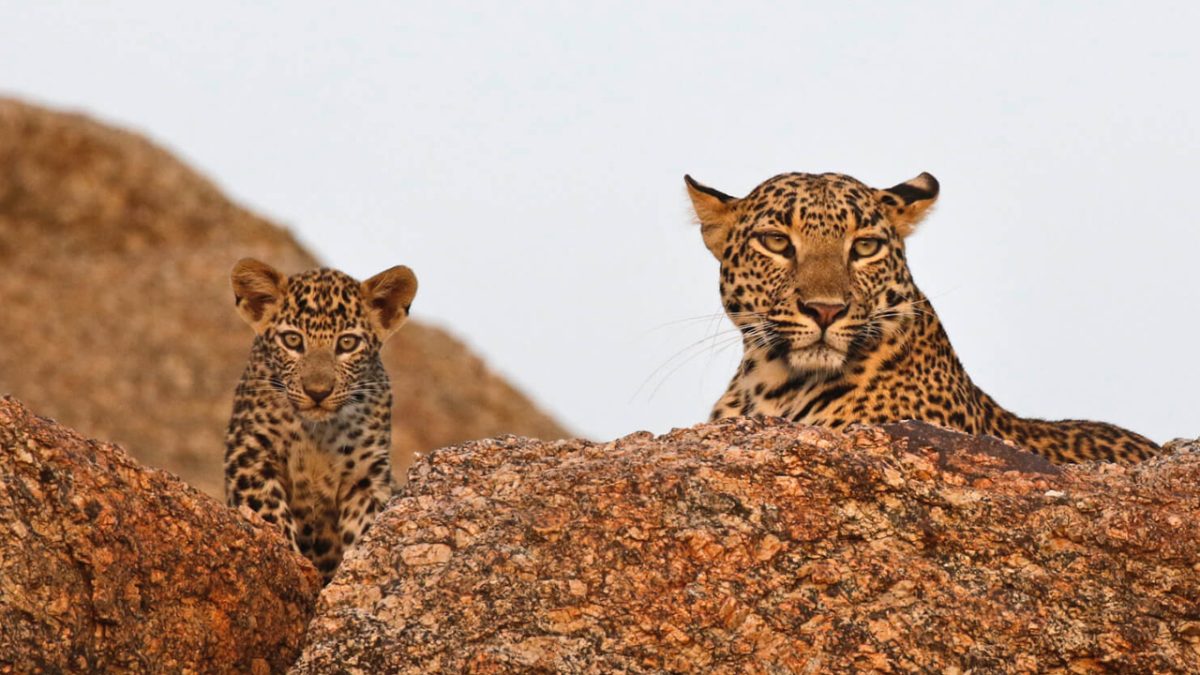
Visitors often witness fascinating behaviors such as leopards resting on elevated rocks, moving between caves, or observing their surroundings from hilltops.
Besides wildlife, the journey provides insights into local culture, traditional livestock grazing practices, and the ecological balance that has existed in Jawai for generations.
Responsible Wildlife Tourism
Ethical tourism helps protect Jawai's fragile ecosystem while ensuring positive experiences for future visitors.
Travelers should follow these important guidelines:
- Maintain a respectful distance from wildlife.
- Avoid loud conversations and unnecessary noise.
- Never attempt to feed wild animals.
- Follow instructions provided by trained guides.
- Avoid littering anywhere during the safari.
- Respect local customs and private property in nearby villages.
Responsible behavior contributes to wildlife conservation while preserving the region's natural character.
What to Pack for Your Trip
Packing appropriately can make your safari more comfortable and enjoyable.
Recommended essentials include:
- Neutral-colored clothing that blends with the surroundings.
- Comfortable walking shoes.
- Sunglasses and a hat.
- Sunscreen.
- Drinking water.
- Binoculars.
- Camera with extra batteries.
- Light jacket for winter morning safaris.
Avoid wearing bright colors, as they may disturb wildlife or distract from photography.
Where to Stay in Jawai
Accommodation options in Jawai range from camps and boutique stays to heritage-inspired properties designed to blend with the surrounding landscape. When selecting accommodation, travelers often consider factors such as proximity to safari routes, experienced local guides, sustainable practices, and guest amenities. Those researching options may also come across a Luxury resort in Jawai while comparing different types of stays available in the region.
Final Thoughts
A Jawai leopard safari offers more than the opportunity to spot one of India's most elusive predators. It provides an understanding of how wildlife conservation, local traditions, and responsible tourism can coexist within a shared landscape. By choosing the right season, understanding expected costs, preparing appropriately, and respecting nature throughout the journey, visitors can enjoy a rewarding wildlife experience while contributing to the long-term preservation of Jawai's remarkable ecosystem.
