Is Root Canal Treatment Right for You? A Complete Benefits and Decision Guide
Author : smile omdat | Published On : 17 Nov 2026
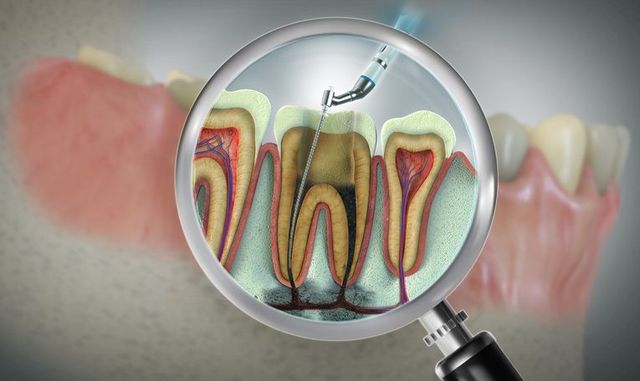
Root canal treatment carries an undeserved reputation. For many people, the phrase alone triggers anxiety — but the reality is far more reassuring than the myth. When a tooth becomes deeply infected or its pulp is damaged beyond recovery, root canal therapy is often the most effective way to preserve it. Understanding who this procedure truly helps, what the healing journey looks like, and what practical factors deserve consideration before you book that appointment can make the entire experience far less daunting. This guide walks you through all of that in plain language, so you can arrive at a decision that genuinely serves your dental health.
Who Is a Good Candidate for Root Canal Treatment?
Not every toothache calls for a root canal, but certain signs strongly suggest the pulp inside your tooth has been compromised. Knowing whether you fall into this category is the first step toward the right care.
Symptoms That Typically Indicate the Need
Persistent, throbbing pain that does not ease with over-the-counter medication is one of the clearest indicators. Prolonged sensitivity to heat or cold — where the discomfort lingers well after the stimulus is removed — also points toward pulp involvement. Swelling around the gum line, a small pimple-like bump near the affected tooth, tooth discolouration, or pain when biting down are additional red flags. If you are experiencing any combination of these, a thorough clinical examination and an X-ray will confirm the extent of the damage.
Conditions That Make You a Strong Candidate
You are likely a good candidate if you have deep decay that has reached the pulp chamber, a cracked tooth that has allowed bacteria to travel inward, repeated dental procedures on the same tooth that have weakened it, or a traumatic injury that has affected the nerve even without visible cracking. The underlying rule of thumb: if the tooth's root structure is still sound, root canal therapy gives it the best chance of a long, functional life.
The Real Benefits of Choosing Root Canal Over Extraction
The most common alternative to root canal treatment is extraction, and while pulling a tooth may seem simpler or cheaper in the short term, the long-term picture is quite different. Here is what root canal therapy genuinely offers.
Preserving Your Natural Tooth
Nothing replaces a natural tooth entirely. Implants and bridges are excellent solutions, but they involve additional procedures, healing time, and cost. Root canal treatment removes infected tissue while keeping the original tooth structure intact. Once restored with a crown, the tooth functions normally — you can chew, speak, and smile without any noticeable difference.
Preventing the Spread of Infection
An untreated infected pulp does not simply stay contained. Bacteria can travel through the root tip into surrounding bone, leading to abscess formation, bone loss, and in serious cases, spreading infection that affects adjacent teeth. Timely root canal treatment at an affordable dental clinic stops that progression before it escalates into a far more complex problem.
Long-Term Cost Efficiency
When patients compare costs, they often look only at the procedure fee and not the downstream expenses. Extracting a tooth typically leads to a dental implant or bridge to restore function and prevent neighbouring teeth from shifting — and those restorations cost significantly more over time. Root canal treatment, followed by a crown, is usually the more economical path across the lifespan of your dental care.
What Outcomes Can You Realistically Expect?
Setting realistic expectations before a procedure reduces anxiety considerably. Here is what the evidence and clinical experience suggest about outcomes.
Success Rates and Tooth Longevity
Root canal treatment has a success rate consistently cited above 90% in dental literature. A well-treated tooth, properly restored with a crown, can last a lifetime with routine care. The most important factor in longevity is the final restoration — skipping the crown after the procedure is the single most common reason treated teeth eventually fracture.
The Recovery Timeline
Most patients experience mild soreness for two to three days after the procedure, which responds well to standard pain relief. The actual treatment itself, performed under local anaesthesia, is no more uncomfortable than a routine filling. Full recovery, including crown placement, typically wraps up within two to three appointments spread over a few weeks. The root canal treatment surgeons in hinjewadi at Om Happy Teeth use modern rotary instrumentation that significantly shortens procedure time and improves precision.
Key Factors to Weigh Before Making Your Decision
Even when the clinical indication is clear, a few practical and personal considerations deserve honest reflection before you proceed.
The Severity and Location of the Infection
Early-stage infections are generally more straightforward to treat and carry a higher success probability. Teeth toward the back of the mouth — molars — have more complex root canal systems, which means treatment can take longer and requires a dentist with strong endodontic expertise. Always ask about the complexity of your specific case before proceeding.
The Condition of the Tooth Overall
A root canal is only worth pursuing if there is enough healthy tooth structure remaining to support a crown afterward. If the tooth is severely fractured below the gum line, extraction may genuinely be the more practical choice. Your dentist should discuss this openly with you during the consultation.
Choosing the Right Clinic and Specialist
The quality of care matters enormously. Seeking out a dedicated root canal treatment center in hinjewadi pune that uses modern equipment, digital X-rays, and experienced endodontists significantly improves both the experience and the outcome. Do not compromise on expertise to save a marginal amount — this is a procedure where skill directly influences long-term success.
Conclusion
Root canal treatment, when indicated, is one of dentistry's most reliable ways to protect a tooth that matters to you. It relieves pain, halts infection, preserves your natural bite, and when done well, delivers results that can last decades. The decision becomes straightforward once you have a clear picture of your symptoms, an honest conversation with a qualified dentist, and realistic expectations about recovery. If you have been putting off getting that persistent tooth pain evaluated, now is a good time to change that. A timely consultation could mean the difference between saving your tooth and losing it altogether — and that is a conversation worth having sooner rather than later.
Frequently Asked Questions
How painful is root canal treatment?
The procedure is performed under local anaesthesia, so most patients feel little to no pain during treatment. Post-procedure soreness is common but mild and usually resolves within two to three days with standard pain management.
How many sittings does a root canal treatment typically require?
Most cases are completed in one to three appointments depending on the severity of infection and the complexity of the tooth's root canal system. Single-sitting root canals are increasingly common with modern techniques.
Can a tooth that has had root canal treatment get infected again?
While uncommon, re-infection can occur if the crown is delayed, if the tooth cracks, or if the initial sealing was not complete. Regular dental check-ups help detect any early signs of re-infection before they become serious.
Is root canal treatment safe for everyone?
It is safe for the vast majority of patients. However, individuals with certain immune conditions or those on specific medications may need their treatment plan adjusted. Always share your full medical history with your dentist before the procedure.
What happens if I delay root canal treatment?
Delaying treatment allows the infection to spread, potentially causing bone loss, abscess formation, and damage to neighbouring teeth. In advanced cases, the tooth may no longer be salvageable and extraction becomes the only option.
Source: Root Canal Treatment: A Beginner's Guide to Understanding the Basics
