Is Raw Dog Food Jupiter Safe, Healthy, and Worth Trying Today?
Author : Susan Armadale | Published On : 05 Nov 2026
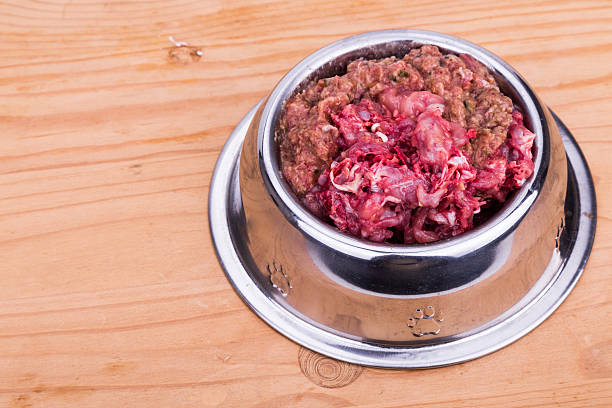
If you live in Jupiter and you've walked into a pet store lately, you've probably seen the freezer section filled with chubs of ground meat, bone and organ. That's raw dog food. Simple as that. No kibble, no cans, no weird powder coating. Just meat, bone, organs, and sometimes a little veg, fed the way dogs ate long before anyone invented a bag with a cartoon retriever on it. Raw dog food Jupiter shoppers have more choice now than even five years ago. Local shops, delivery services, small butchers, they all jumped in. And honestly, that's good, but it also means you gotta know what you're looking at before you buy.
Why Dog Owners Are Switching
Most people I talk to switch because something wasn't working. Itchy skin. Gross ears. A dog who picks at his bowl then acts starving at 3am. Others just read the ingredient label on their kibble one night and felt a bit uneasy. Fair enough.
Fans of raw feeding usually mention shinier coats, smaller stools, cleaner teeth, better energy. Some of that is anecdotal, sure, and not every dog responds the same way. But when you hear the same stories again and again from people at the dog park, you start paying attention.
The Basic Raw Diet Breakdown
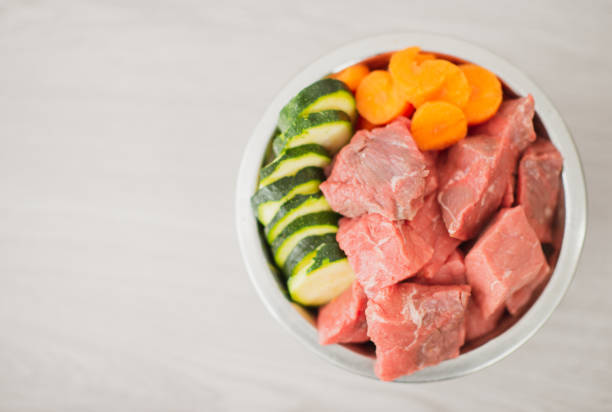
The most common framework is called prey model, or something close to it. Roughly eighty percent muscle meat, ten percent bone, ten percent organs. Some folks split that organ part into five percent liver and five percent other secreting organs. It's not rocket science, but it is a balance thing.
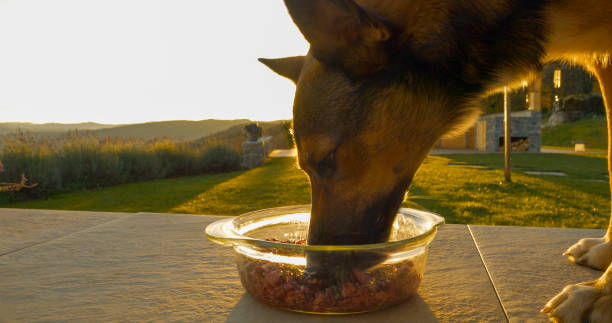
Muscle meat gives protein and fat. Bone gives calcium and phosphorus. Organs give the vitamins and minerals that muscle just doesn't carry much of. Skip any one of them for long and your dog will eventually pay for it, maybe not this month, but down the road.
Let's Talk Organ Meat, Because It Matters
Here's where people get lazy. They buy ground beef, toss it in a bowl, call it raw feeding. Nope. That's not a complete diet, and your vet would be right to side-eye it.
Organs are basically nature's multivitamin. Vitamin A, B12, iron, copper, zinc, folate, all packed in there. Wild canines go for the organs first, by the way, before the muscle. That should tell you something.
The Best Organ Meat for Dogs (My Honest Take)
People ask me all the time what the best organ meat for dogs is, and the answer is, well, liver. Beef liver, chicken liver, lamb liver. It's nutrient dense, most dogs love it, and it's easy to find. Kidney comes right behind it, rich in B vitamins and good for variety.
But don't overdo liver. Too much vitamin A can cause problems, and I've seen owners go heavy because their dog went nuts for it. Keep it around five percent of the total diet. Spleen, pancreas, and brain are great extras if you can source them, though they're harder to find and a bit pricey.
Heart, Tripe, and the Stuff People Argue About
Heart is technically a muscle, even though lots of folks lump it in with organs. It's full of taurine, which dogs need, and it's cheap. Feed it freely as part of the muscle portion.
Green tripe is the smelly one. Unwashed, unbleached, it's got natural enzymes and good bacteria and dogs absolutely lose their minds over it. Your kitchen won't smell great, I'll warn you now. But for picky eaters, it's a game changer.
Is Raw Feeding Actually Safe?
This is the question everybody asks, and it deserves a straight answer. Yes, raw feeding carries risk. Bacteria like salmonella and listeria can be present in raw meat. Dogs handle them better than we do, thanks to short digestive tracts and strong stomach acid, but people in the house can still get sick.
So treat it like you'd treat raw chicken for your own dinner. Wash your hands, clean bowls, wipe counters, keep it away from toddlers who lick everything. If someone in your home is immunocompromised or pregnant, talk to a doctor first. Don't skip that part.
How to Pick a Good Supplier Around Jupiter
Not every raw food is created equal. Look for suppliers who are upfront about sourcing, who test for pathogens, and who can tell you exactly what percentage of bone and organ is in each blend. If a company gets vague when you ask, walk away.
Frozen is the standard. Freeze-dried and dehydrated options exist too, and they're convenient for travel. Ask whether the food is "complete and balanced" for all life stages, because puppies and adult dogs don't need the same ratios. When in doubt, call the shop and ask questions. Good ones love that.
Transitioning Your Dog Without a Mess
Don't flip the switch overnight. I know, you're excited. But a dog's gut needs time. Start with a small spoonful mixed into the old food, then slowly shift over seven to ten days, sometimes longer for sensitive dogs.
Loose stool is normal at first. Vomiting every day is not. If something seems off, slow down, back up a step, and call your vet. Also, don't mix raw and kibble in the same meal if your dog's sensitive, since they digest at different speeds. Plenty of people do it anyway, though, and many dogs are fine.
What About Cost and Convenience?
Let's be honest, raw isn't cheap. Depending on your dog's size, you could be spending noticeably more than you would on a mid-range kibble. Big dogs especially. Some people cut costs by buying in bulk, splitting orders with friends, or sourcing organ meat separately from local butchers.
Freezer space matters too. You need room, and you need to plan ahead for thawing. It's a lifestyle shift, not just a food swap. If you travel a lot or hate meal prep, a good freeze-dried option might fit better than full frozen.
Common Mistakes I Keep Seeing
Too much bone, which leads to chalky, constipated stools. Too little bone, which messes up calcium. Feeding only chicken and wondering why the dog's skin still itches. Forgetting organs completely, or going overboard on liver like I mentioned earlier.
Another one is guessing portions. Most adult dogs eat around two to three percent of their ideal body weight daily, but that moves with age, activity, and metabolism. Weigh the food. Watch your dog's body condition. Adjust. It's not complicated, just pay attention.
Final Thoughts on Going Raw
Raw feeding isn't magic, and it isn't for everyone. But done right, it can be a really solid way to feed a dog, and a lot of Jupiter pet owners are proving that every day. Start slow, learn the ratios, pick a supplier you trust, and don't skip the organs.
If you take one thing from this, let it be this: balance beats trend. Whether you're researching raw dog food Jupiter options for the first time or tweaking a menu you've been running for years, keep your vet in the loop, keep it clean, and watch your dog. He'll tell you whether it's working. They always do.
