Is Microneedling for Acne Scars Safe for Teen Skin Too
Author : EnfieldRoyalClinic Abu Dhabi | Published On : 13 Aug 2026
Acne is extremely common during the teenage years, and some adolescents are left with persistent changes in skin texture after breakouts settle. If you are considering Microneedling for Acne Scars in Abu Dhabi, it is important to understand that teen skin requires an individualized assessment before any scar procedure is considered. Microneedling works by creating controlled microchannels that stimulate collagen production, and it can improve the appearance of certain acne scars. However, the most appropriate timing depends less on age alone and more on whether active acne is controlled, what type of scars are present, and whether the skin is suitable for treatment. The American Academy of Dermatology recommends treating ongoing acne before beginning procedures specifically aimed at established acne scars.
Why Do Teenagers Develop Acne Scars?
Teenage acne is often associated with hormonal changes that increase oil production and contribute to clogged pores and inflammation. When acne becomes deeper or more inflamed, the healing process can alter the structure of the skin and leave behind lasting scars. Acne that is picked or squeezed can also increase the likelihood of scarring.
Not every mark remaining after acne is technically a scar. Some are flat areas of altered pigmentation, while true acne scars involve changes in skin texture or structure. Understanding this distinction is important because microneedling primarily targets textural concerns by stimulating collagen remodeling.
Is There a Specific Age for Teen Microneedling?
There is no universally appropriate age at which every teenager should begin microneedling for acne scars. Age is only one part of the overall assessment. The condition of the skin and the status of the acne are often more important considerations.
A teenager with frequent new breakouts may be better served by focusing on acne management first. Treating established scars while active acne continues can make it difficult to prevent additional scarring. Once breakouts are appropriately controlled and persistent textural scars remain, scar treatment can be evaluated more meaningfully.
This means that two teenagers of the same age could receive completely different recommendations depending on their skin condition and acne history.
Why Active Acne Should Be Controlled First
Microneedling is designed to improve established scars rather than treat active inflammatory acne. The American Academy of Dermatology advises postponing microneedling when painful, pus-filled, or deeply located pimples are present in the treatment area.
This distinction is particularly important for teenagers because acne can remain active and change rapidly during adolescence. If new lesions continue to develop, they may create additional scars while an existing scar-treatment plan is underway.
For this reason, controlling the underlying acne is an important part of deciding whether the timing is appropriate for microneedling.
How Does Microneedling Work on Acne Scars?
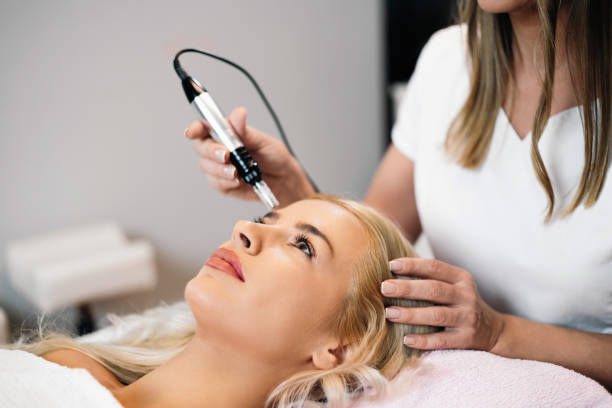
Microneedling uses a specialized device with very fine needles to create controlled microchannels in the skin. These microscopic channels trigger the body's natural repair response, encouraging collagen production. As collagen develops and remodels the treated area, certain depressed scars may become less noticeable and the skin surface can appear more even.
Clinical research supports microneedling as a useful approach for atrophic acne scars. A systematic review of randomized controlled trials found consistent improvement in atrophic acne scars with microneedling, although researchers noted that additional research with longer follow-up would be valuable.
Which Teen Acne Scars May Respond to Microneedling?
Microneedling is generally most relevant to depressed or atrophic acne scars. These scars form when the skin loses or fails to produce enough collagen during the healing process, leaving indentations or uneven areas.
However, acne scars have different shapes and depths. Rolling scars, boxcar-type scars, and narrow deep scars can respond differently to treatment. Some scars may require approaches other than microneedling or a combination of procedures.
A professional evaluation is therefore essential before deciding whether microneedling is appropriate. The American Academy of Dermatology emphasizes that different acne-scar types require individualized treatment planning.
Is Teen Skin Different From Adult Skin?
Teen skin is often still experiencing active hormonal changes, which can influence oil production, breakouts, and overall skin behavior. This makes it especially important to assess the skin's current condition rather than assuming that a procedure suitable for an adult is automatically appropriate for an adolescent.
The treatment decision should consider the maturity of the skin, current acne activity, scar characteristics, skincare routine, and the teenager's expectations. For younger patients, involving a parent or guardian in the consultation may also be appropriate depending on local requirements and the treatment setting.
The goal should be to choose the right time for scar treatment rather than treating as early as possible.
What Results Can Teenagers Expect?
When microneedling is appropriate, the objective is gradual improvement in the appearance of certain acne scars. As collagen remodeling progresses, depressed areas may become less prominent and the overall texture of the skin may appear smoother.
Results are not generally expected to appear fully after one session. Research on microneedling for acne scars has used multiple treatment sessions, with one literature review reporting a median of three sessions when microneedling was used alone.
The exact number of sessions depends on the severity and type of scarring and how the individual's skin responds. The realistic goal is improvement rather than completely eliminating every visible scar.
Why Professional Assessment Is Especially Important for Teens
Microneedling is a medical procedure, so suitability should be determined through a professional assessment. This is particularly important for teenagers because active acne, changing skin characteristics, and developing scars can make treatment timing more complicated.
A proper assessment can determine whether the visible concern is actually a scar, whether acne remains active, and whether microneedling is an appropriate option. It can also help establish realistic expectations about the number of sessions and the degree of improvement that may be achieved.
Can Microneedling Be Used on Different Teen Skin Tones?
Microneedling is considered suitable across skin tones when appropriately performed. This can make it a potentially useful option for teenagers with darker complexions who are concerned about acne scarring.
However, skin tone should still be considered when developing an individualized treatment plan. The characteristics of the skin, the type of acne scars, and any accompanying pigmentation concerns all need to be evaluated before treatment.
It is also important to distinguish dark marks left behind after acne from structural scars. Microneedling is primarily a collagen-induction treatment for textural scarring, so identifying the exact concern helps ensure that expectations are appropriate.
When Is Microneedling Not the Right Choice Yet?
Microneedling may not be the appropriate next step when acne is still significantly active, particularly when the treatment area contains deep or inflamed breakouts. The American Academy of Dermatology recommends waiting until such acne has cleared before performing microneedling.
It may also be better to postpone treatment when the scar type has not been properly identified or when expectations are unrealistic. Acne-scar treatment works best when the underlying condition and the desired outcome are clearly understood.
For teenagers, patience can be valuable. Managing active acne first can help prevent additional scars and create a more stable foundation for future scar treatment.
Is Microneedling a Safe Choice for Teen Skin?
Microneedling can be considered for appropriately selected teenagers, but it should not be treated as a routine procedure for every adolescent with acne marks. Research supports microneedling for acne-scar improvement, while authoritative dermatology guidance emphasizes professional assessment and individualized treatment planning.
The most important question is therefore not simply whether a teenager is old enough. It is whether the acne is controlled, the scars are established, the skin is suitable, and the treatment goals are realistic.
FAQs
Can teenagers have microneedling for acne scars?
Some teenagers may be considered for microneedling when acne is appropriately controlled and established scars remain. Suitability should be determined through an individual professional assessment.
What age is best for microneedling acne scars?
There is no universal age that applies to everyone. The timing depends on acne control, scar development, skin condition, and individual treatment goals rather than age alone.
Can microneedling treat active teenage acne?
Microneedling is primarily intended to improve established scars rather than active acne. Treatment is generally postponed when deep, painful, or pus-filled acne is present in the treatment area.
How many microneedling sessions might a teenager need?
The number varies according to scar type and severity. Research reviews have found that multiple sessions are commonly used, with three being the median number in one review of microneedling performed alone.
Should a teenager get a professional assessment before microneedling?
Yes. A professional assessment can determine whether the marks are true acne scars, whether active acne needs attention first, and whether microneedling is an appropriate treatment for the teenager's skin and goals.
