Is Laser Tattoo Removal effective for dark ink
Author : EnfieldRoyalClinic Abu Dhabi | Published On : 06 Aug 2026
Dark ink tattoos are among the most common types of body art, and many people choose them because of their bold appearance and strong contrast. However, personal preferences can change over time, leading individuals to explore options for reducing or removing unwanted designs. With advancements in cosmetic technology, laser tattoo removal in Abu Dhabi has become a widely used approach for addressing dark ink tattoos and helping people achieve a cleaner skin appearance. Many people wonder whether laser treatment is particularly effective for dark pigments, and the answer is generally positive because dark ink tends to absorb laser energy efficiently, allowing the pigment to be targeted and gradually reduced through a series of treatments.
How Laser Tattoo Removal Targets Dark Ink
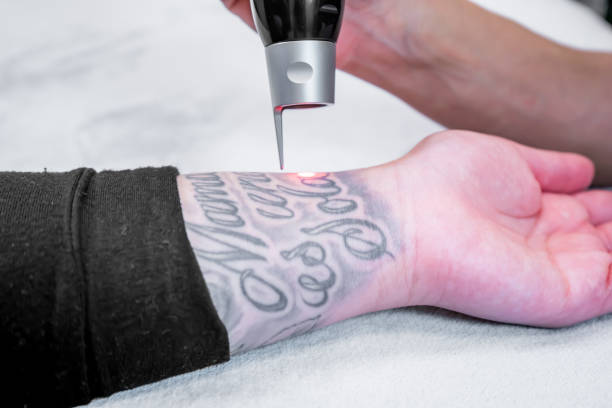
Laser tattoo removal works by directing concentrated light energy toward the tattoo pigment located beneath the skin. The dark ink absorbs this energy, causing the pigment particles to break into smaller fragments. These fragments are then naturally processed and cleared by the body over time.
Dark pigments, especially black ink, are often considered responsive to laser treatment because they absorb a broad range of laser wavelengths. This allows the laser energy to focus effectively on the tattoo pigment while supporting gradual fading of the design.
The process is not immediate because tattoo ink is embedded beneath the skin. Instead, each treatment session contributes to reducing the amount of visible pigment until the tattoo becomes significantly lighter.
Why Dark Ink Tattoos Often Respond Well
Dark ink tattoos are frequently easier to target compared with some lighter pigments because their color properties allow them to absorb laser energy effectively. The strong contrast between dark ink and natural skin tone can help the laser identify and focus on the tattoo pigment.
However, the effectiveness of treatment also depends on other factors, including the age of the tattoo, the depth of the ink, the density of the pigment, and the individual's skin characteristics.
While dark ink often responds favorably, every tattoo has unique qualities that influence the overall fading process.
Factors That Influence Dark Ink Tattoo Removal
Although dark ink is generally responsive to laser technology, several factors can affect the final results. The amount of ink used in the tattoo plays an important role because heavily saturated designs contain more pigment that needs to be broken down.
The age of the tattoo can also influence the process. Older tattoos may have experienced natural fading over time, which can affect how much pigment remains beneath the skin. Newer tattoos with dense ink layers may require a more gradual approach.
The location of the tattoo may also influence how quickly visible changes occur. Different areas of the body can respond differently based on skin characteristics and natural processes.
How Many Sessions Are Needed for Dark Ink Tattoos?
Laser tattoo removal requires multiple sessions because the body needs time to process and eliminate fragmented ink particles after each treatment. One session typically begins the fading process, while additional sessions continue reducing the remaining pigment.
The number of sessions required varies from person to person. Factors such as tattoo size, ink concentration, depth, and individual response all contribute to the overall treatment journey.
Dark ink tattoos may show noticeable fading as the pigment gradually breaks down, but achieving the desired level of reduction requires patience and consistency.
Can Laser Technology Remove Completely Black Tattoos?
Completely black tattoos are among the types of tattoos commonly treated with laser technology. Because black pigment absorbs laser energy effectively, these tattoos often respond well to treatment.
However, complete removal depends on the specific characteristics of the tattoo. Some black tattoos contain multiple layers of ink or deeper pigment placement, which may influence how much fading occurs.
Modern laser systems allow treatment settings to be adjusted according to the tattoo's unique features, helping achieve progressive reduction in visible ink.
The Role of Skin Type in Dark Ink Removal
Skin type is an important consideration during laser tattoo removal. Modern technology is designed to accommodate a wide range of skin tones by allowing treatment settings to be customized according to individual needs.
Dark ink tattoos can be treated on different skin types, but the approach may vary depending on the contrast between the tattoo pigment and natural skin pigment. Personalized treatment planning helps ensure that the laser focuses on the unwanted ink as effectively as possible.
As the tattoo fades, the natural skin appearance becomes more noticeable, creating a cleaner and more balanced look.
Improving the Appearance of Dark Ink Tattoos
Many individuals choose laser tattoo removal not only because they want less visible ink but also because they want to improve the overall appearance of their skin. Dark tattoos can create strong visual contrast, especially when located on highly visible areas.
As laser treatment gradually reduces the pigment, the tattoo becomes lighter and less dominant. The surrounding skin becomes more noticeable, helping create a more natural-looking appearance.
For some people, the goal may be complete removal, while others may simply want significant fading. Laser technology can support different aesthetic goals by progressively reducing unwanted dark ink.
Preparing Dark Ink Tattoos for Cover-Up Designs
Some individuals choose to fade dark ink tattoos before creating new artwork over the same area. Dark pigments can sometimes make it challenging to achieve certain new designs, so reducing the original ink can provide more flexibility.
Laser tattoo removal can lighten the existing tattoo, making it less visually dominant. This creates a cleaner foundation for future changes and allows greater creative possibilities.
The ability to gradually reduce dark ink makes laser treatment useful for both complete removal goals and tattoo modification plans.
Setting Realistic Expectations for Dark Ink Removal
Although dark ink tattoos often respond well to laser treatment, results vary depending on individual circumstances. The process is gradual, and visible improvement develops over time rather than instantly.
Understanding that every tattoo is unique helps individuals maintain realistic expectations. Factors such as ink depth, tattoo size, and skin characteristics all influence how quickly the tattoo fades.
With consistent treatment sessions and patience, many people achieve significant reductions in the visibility of dark ink tattoos.
Is Laser Tattoo Removal Effective for Dark Ink?
Laser tattoo removal is considered an effective approach for reducing dark ink tattoos because dark pigments generally absorb laser energy efficiently. By breaking down tattoo particles and allowing the body to gradually clear them, laser technology can significantly reduce unwanted ink visibility.
Whether the goal is complete tattoo removal or noticeable fading, dark ink tattoos often respond positively to modern laser techniques. As the pigment becomes lighter over time, the natural appearance of the skin becomes more visible, helping individuals achieve a cleaner and more refreshed look.
FAQs
Is laser tattoo removal effective for black ink tattoos?
Yes. Black ink tattoos often respond well to laser tattoo removal because dark pigments absorb laser energy effectively.
How does laser treatment remove dark tattoo ink?
Laser energy breaks dark ink particles into smaller fragments, which are gradually processed and removed by the body.
Do dark ink tattoos require fewer sessions than colored tattoos?
Dark ink can respond efficiently to laser treatment, but the number of sessions depends on factors such as tattoo size, depth, and pigment density.
Can large dark ink tattoos be removed with laser technology?
Yes. Large dark ink tattoos can be treated, although they may require a longer process because they contain more pigment.
Will a dark ink tattoo disappear completely after laser treatment?
Many dark ink tattoos can be significantly reduced or removed, but results vary depending on individual tattoo characteristics and skin response.
