Is It Too Late for a Facelift in Islamabad After the Age of 70?
Author : glamorous Clinic | Published On : 06 Oct 2026
Many people wait years to consider surgery and then assume that the opportunity has passed. Others feel that their face has aged dramatically in their seventies and wonder whether anything can still be done. If you are asking whether a facelift in Islamabad is still possible after seventy, the answer is that age alone does not close the door. Health, skin quality, and expectations matter far more than the number on your birth certificate. This article explains who can safely have surgery later in life and what to consider.
Age Is Not the Deciding Factor
Surgeons look at physiological age, not just chronological age. A healthy, active seventy-five-year-old may be a better surgical candidate than a younger person with uncontrolled medical problems. Facelifts are routinely performed on patients in their seventies and sometimes older, provided they are fit for anesthesia and understand the recovery. The key questions are whether you are healthy enough to heal well and whether surgery will give you a worthwhile benefit.
The Importance of a Thorough Medical Evaluation
Before agreeing to surgery, your surgeon will want a detailed assessment of your general health. This usually includes a review of your medical history, blood tests, an ECG, and sometimes a consultation with a cardiologist or physician. Conditions such as heart disease, high blood pressure, diabetes, and lung problems need to be controlled. The goal is to ensure that you can tolerate anesthesia and that the risk is acceptable. A cautious approach at this age is a sign of good care, not of reluctance.
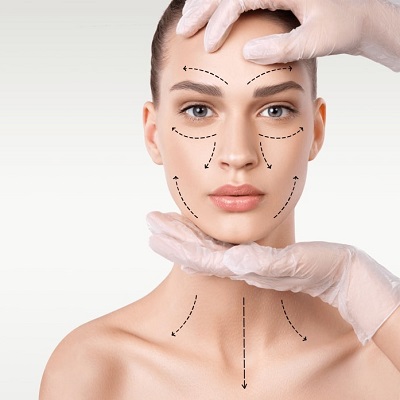
How Aging Skin Responds to Surgery
Skin in the seventies is usually thinner, less elastic, and more fragile than in earlier decades. It may bruise more easily and heal more slowly, although with careful technique most patients recover well. A skilled surgeon handles the tissues gently and plans a lift that avoids excessive tension. The result may not look as crisp as in a younger patient, but the improvement in the jawline and neck can still be very satisfying.
Choosing the Right Type of Procedure
A full facelift is not the only option for older patients. Some surgeons recommend a more limited approach, such as a mini lift with a neck procedure, when general health or the desire for a shorter operation calls for it. Others perform a complete lift when sagging is significant and the patient is healthy. Operating time and anesthesia type are chosen carefully, because shorter and lighter anesthesia can reduce risk. The right plan balances benefit with safety.
Benefits Older Patients Often Notice
Many patients in their seventies are motivated by wanting to look as energetic as they feel. Common benefits include:
- A firmer jawline and a smoother neck
- A less tired and stern expression
- Greater confidence in family gatherings and photographs
- A more rested appearance in daily life
- A sense of maintaining personal pride in their appearance
These benefits are personal, and they matter just as much at seventy-five as at fifty.
Recovery Considerations at an Older Age
Recovery may take a little longer, and swelling and bruising can last more than two or three weeks in some patients. Fatigue is common, and extra rest may be needed. Support at home is especially important, with help for meals, medication, and moving around safely. Walking gently, staying hydrated, and attending follow-up visits are essential. Many older patients recover very well when they are prepared and cared for.
Risks to Discuss Honestly
The risks of any facelift include bleeding, infection, scarring, and nerve injury, and some of these may be slightly higher in older patients. Anesthesia carries additional considerations, such as the effect on memory and clarity in some elderly individuals, as well as heart and breathing issues. Medications such as blood thinners require careful management. A frank discussion helps you weigh the advantages against the risks and decide with full information.
Setting Realistic Expectations
At this stage, the aim is a refreshed and natural improvement, not a return to your thirties. Surgery cannot remove all lines, restore the volume of youth, or stop further aging. Some patients benefit from additional treatments, such as fat transfer or skin care, to improve overall quality. Understanding what is achievable helps you enjoy the result without disappointment.
Questions to Ask Your Surgeon
If you are in your seventies, ask how your age and health influence the plan, what anesthesia is recommended, and how they reduce risk. Ask about their experience with older patients and request photographs of results in similar age groups. Find out who will care for you after surgery, and what support they recommend at home. Good answers should be specific and reassuring.
Conclusion
It is not too late for a facelift after seventy when you are in good health, your medical evaluation is satisfactory, and your expectations are realistic. Gentle technique, thoughtful anesthesia, and strong support at home make safe recovery possible. If you are considering a facelift in Islamabad later in life, ask your surgeon for an honest assessment of your health and your options, and choose the plan that offers a worthwhile improvement with the least possible risk.
