Is It Normal To Experience Itching After Hair Transplant?
Author : Dr. Haror's Wellness | Published On : 21 May 2026
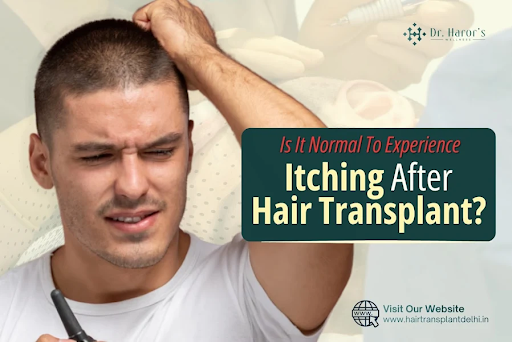
You finally took the step to restore your hair and underwent a hair transplant surgery. After dealing with hair loss for years, you’re now excitedly waiting for the results to appear. But just a few days after the procedure, your scalp starts itching intensely, making you anxious and uncomfortable. Naturally, you begin wondering — Is something wrong?
The good news is that itching after a hair transplant is completely normal. In fact, it is usually a sign that your scalp is healing properly. Mild to moderate itching is a common part of the recovery process after a Hair Transplant, especially during the first two weeks.
Let’s understand why it happens, how long it lasts, and what you should do to manage it safely.
Why Does Itching Happen After a Hair Transplant?
During a hair transplant procedure, thousands of hair follicles are carefully implanted into the scalp. Since the scalp undergoes minor surgical trauma, your body immediately starts its natural healing process. As the skin heals and new tissue forms, itching becomes one of the most common sensations patients experience.
Usually, the itching starts around day 3 or 4 after the surgery and becomes more noticeable between days 5 to 10. For most patients, the discomfort gradually improves once the scabs begin falling off, generally after the second week.
Here are the main reasons behind scalp itching after a hair transplant:
1. Nerve Healing and Regeneration
Tiny nerve endings surround each transplanted follicle. During recovery, these nerve cells begin reconnecting and regenerating. As they send signals to the brain, you may feel tingling or itching sensations on the scalp. This is a natural healing response and not a cause for concern.
2. Formation of Scabs
Small crusts or scabs develop around the transplanted grafts within a few days after surgery. As these scabs dry and tighten, they can create a feeling of tightness and itchiness on the scalp. This is a completely normal stage of recovery.
3. Inflammation After Surgery
Every surgical procedure triggers a mild inflammatory response in the body. Histamine release during this process often contributes to itching in the early recovery period.
4. Dryness of the Scalp
Patients are usually advised to avoid washing the scalp for the first 48–72 hours after surgery to protect the newly implanted grafts. This temporary lack of cleansing can make the scalp dry and irritated, increasing itchiness.
The One Thing You Must Avoid
Do Not Scratch Your Scalp
No matter how tempting it feels, scratching or rubbing the scalp during the first two weeks can damage the newly implanted grafts.
The transplanted follicles are extremely delicate during the early healing phase and need time to settle securely into their new location. Even minor scratching or aggressive rubbing can dislodge the grafts permanently and affect the final results of your Hair Transplant.
The first 10–14 days are crucial for graft survival, so protecting the scalp is extremely important.
How to Relieve Itching Safely
Although scratching is strictly discouraged, there are several safe ways to reduce itching and stay comfortable during recovery.
Pat the Area Gently
If the itching becomes uncomfortable, lightly pat the area with clean fingertips instead of scratching. Gentle tapping can temporarily reduce the itch sensation without harming the grafts.
Take Prescribed Antihistamines
Many surgeons prescribe anti-allergy or antihistamine medications after surgery to control itching and inflammation. Make sure to take them exactly as advised.
Use Saline Spray
A saline spray helps keep the scalp hydrated and provides instant cooling relief. It soothes irritation without requiring direct contact with the grafts. Many patients find it especially helpful during the first week.
Follow Proper Scalp Washing Instructions
Wash your scalp only when your hair transplant surgeon recommends it. Following the correct washing routine helps soften and remove scabs gently, reducing irritation and itching over time.
A clean scalp heals faster and feels far more comfortable during recovery.
Avoid Heat and Excessive Sweating
Hot showers, direct sunlight, steam, and heavy workouts can increase scalp irritation and worsen itching. Protect your scalp from excessive heat and sweating during the healing phase.
When Should You Be Concerned?
Mild itching is a normal part of recovery after a Hair Transplant in Delhi or anywhere else. However, you should contact your surgeon immediately if the itching is accompanied by:
-
Severe redness
-
Excessive swelling
-
Warmth around the scalp
-
Pus formation
-
Foul smell
-
Persistent pain
These symptoms could indicate an infection or another complication that requires medical attention.
Conclusion
Itching after a hair transplant is usually a positive sign that your scalp is healing and adapting to the newly implanted grafts. While it can feel frustrating at times, it is only temporary. Proper aftercare, patience, and avoiding scratching are the keys to protecting your results.
At Dr. Haror's Wellness, patients receive complete guidance and post-operative support throughout their recovery journey. If you are planning a Hair Transplant in Delhi, our experienced team is here to help you achieve natural-looking and long-lasting hair transplant results with personalized care and advanced treatment techniques.
