Is Female Hair Transplant Permanent?
Author : Dynamic Clinic 19 | Published On : 25 Feb 2026
Hair loss can be distressing for women, affecting confidence and self-esteem. For those struggling with thinning hair due to genetic, hormonal, or medical factors, hair transplantation offers a promising solution. A common question among potential patients is whether the results of a female hair transplant are permanent. Understanding the procedure, how transplanted follicles behave, and factors that influence longevity is essential. Female Hair Transplants in Dubai have become a preferred choice for women seeking long-lasting, natural-looking restoration.
How Hair Transplants Work
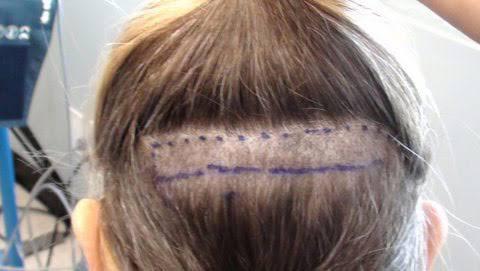
Hair transplantation involves relocating healthy hair follicles from a donor area—usually the back or sides of the scalp—to areas experiencing thinning or hair loss. These follicles are carefully harvested and implanted to mimic natural hair growth patterns. Techniques such as Follicular Unit Extraction (FUE) and Follicular Unit Transplantation (FUT) are commonly used, with FUE being favored for women due to its minimally invasive nature and minimal scarring. Once transplanted, these follicles retain the characteristics of the donor site. This means they are generally resistant to the hormonal and genetic factors that caused hair loss in the recipient area. As a result, the transplanted hair continues to grow for life, making the procedure a permanent solution for most patients.
Longevity of Transplanted Hair
The permanence of a female hair transplant depends on several factors, including the stability of hair loss, donor hair quality, and post-operative care. In general, transplanted hair follicles are considered permanent because they maintain their original resistance to the hormones that typically cause thinning. Women can expect to see gradual regrowth over three to six months, with full results usually visible between 12 and 18 months.
It is important to note that while transplanted hair is permanent, natural hair in surrounding areas may continue to thin over time due to aging, hormonal changes, or medical conditions. This means that additional procedures or treatments may be required in the future to maintain overall density and appearance.
Factors That Affect Permanent Results
The success and longevity of female hair transplants depend on several factors. First, the quality of the donor hair is crucial. Strong, healthy follicles from areas resistant to hair loss ensure better survival and long-term growth. Women with sufficient donor hair density typically achieve the best outcomes.
Second, underlying causes of hair loss should be addressed prior to the procedure. Hormonal imbalances, thyroid disorders, or nutritional deficiencies may continue to affect natural hair, so stabilizing these conditions improves the overall effectiveness of the transplant.
Finally, following post-operative care instructions is essential. Patients are advised to avoid direct sun exposure, refrain from strenuous activities, and follow gentle hair care practices. Proper care supports follicle survival and ensures the transplanted hair grows naturally and permanently.
Hair Transplants vs. Other Treatments
Unlike temporary solutions such as topical treatments, medications, or cosmetic enhancements, hair transplants offer a permanent solution by using live hair follicles. Medications may slow hair loss or promote partial regrowth, but their effects are temporary and require continuous use. In contrast, hair transplantation provides lasting restoration with minimal maintenance once the follicles are established.
For women affected by hormonal or genetic hair loss, this permanence is especially appealing. Transplanted hair continues to grow naturally, blends seamlessly with existing hair, and requires the same care as natural strands.
Realistic Expectations
While female hair transplants are permanent, it is important to maintain realistic expectations. Full density restoration depends on the number of available donor follicles and the extent of hair loss. Women with widespread thinning may require multiple sessions to achieve their desired look. Additionally, ongoing monitoring and treatment of underlying conditions may be necessary to preserve the overall health and appearance of natural hair.
Psychological Benefits of Permanent Results
Knowing that hair restoration is permanent can have a profound psychological impact. Women often report increased confidence, reduced anxiety about hair loss, and a renewed sense of self-esteem after a successful transplant. The assurance that results are long-lasting allows patients to enjoy everyday activities, styling options, and social engagements without concern for visible thinning or bald patches.
Choosing the Right Clinic for Permanent Results
Selecting a qualified and experienced clinic is critical to ensuring the permanence of a female hair transplant. Clinics that specialize in female hair restoration understand the unique patterns of thinning, the importance of natural hairline design, and the need for careful follicle selection. For women in Dubai, opting for the Best Female Hair Transplants Dubai guarantees access to skilled surgeons, advanced techniques, and comprehensive follow-up care, all of which contribute to long-lasting, natural results.
Conclusion
Female hair transplants are considered a permanent solution for women experiencing hair loss due to genetic, hormonal, or medical factors. By transplanting healthy, resistant follicles from donor areas, the procedure provides long-lasting restoration, natural density, and a restored hairline. While surrounding natural hair may continue to thin with age or hormonal changes, the transplanted hair typically grows for life when supported by proper care and medical management. Women in Dubai seeking reliable and enduring results can trust clinics offering Best Female Hair Transplants Dubai to deliver expert care, advanced techniques, and permanent, natural-looking hair restoration.
