Invisalign Dubai: What Determines the Number of Aligners Needed for Treatment?
Author : Corner stone | Published On : 02 Nov 2026
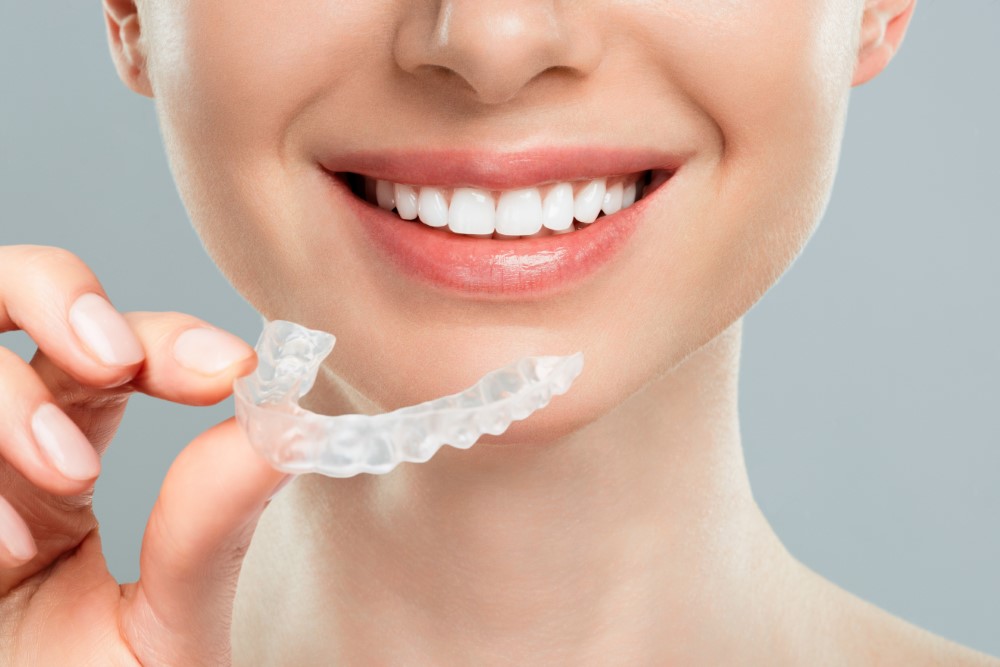
Invisalign has become a popular orthodontic option for people who want to improve their smiles without wearing traditional metal braces. Using a series of transparent, removable aligners, the treatment gradually moves teeth into their planned positions. However, one question many patients ask before starting is how many aligners they will need to complete their treatment.
The number of aligners required is not the same for everyone. It depends on several factors, including the complexity of tooth alignment, the amount of movement required, bite correction needs, and how consistently patients wear their aligners. Some individuals may achieve their desired results with a relatively small number of trays, while others may need a longer sequence to address more complicated orthodontic concerns.
Understanding these factors can help patients develop realistic expectations before beginning Invisalign Dubai treatment. At Cornerstone Clinic, an individual orthodontic assessment helps determine the most appropriate treatment approach based on dental structure, alignment concerns, and personal smile goals.
Understanding How Invisalign Aligners Work
Invisalign treatment uses a customised series of clear plastic trays designed to move teeth gradually. Each aligner is manufactured according to a digital treatment plan that maps the intended movement of individual teeth throughout the process.
Patients generally progress through their aligners in a specific sequence. Each new tray applies controlled pressure to selected teeth, encouraging them to move closer to their planned positions. Once the teeth have adjusted sufficiently to one aligner, the patient moves to the next stage.
Unlike traditional braces, Invisalign aligners can be removed for eating, drinking anything other than water, brushing, and flossing. However, they must be worn consistently for the treatment to progress as planned.
The total number of aligners depends on how many stages of movement are needed to achieve the desired alignment. An orthodontist evaluates these requirements before preparing the treatment plan.
1. Complexity of Tooth Misalignment
One of the most important factors determining the number of Invisalign aligners is the severity of existing tooth misalignment.
Patients with minor spacing or slightly crooked front teeth may require fewer aligners because their treatment involves relatively small movements. In contrast, individuals with several overlapping, rotated, or significantly displaced teeth may need a more extensive treatment sequence.
For example, correcting a small gap between two front teeth may involve moving only a limited number of teeth. However, addressing multiple crowded teeth across both dental arches requires a more detailed approach.
The orthodontist considers how far each tooth needs to move, the direction of movement, and how different teeth influence one another during treatment.
This assessment helps establish a realistic estimate of the number of aligners required.
2. The Amount of Tooth Movement Required
Every tooth movement contributes to the overall treatment sequence. The greater the distance a tooth needs to travel, the more stages may be necessary to achieve its final position safely and predictably.
Some teeth may need to move forward or backward, while others require rotation, tilting, or vertical adjustments. These movements are carefully planned because teeth cannot always move into their intended positions in a single stage.
For instance, a tooth that needs a minor positional adjustment may respond within a few aligner stages. A tooth requiring significant rotation or repositioning may need more gradual movement.
The treatment plan also considers how neighbouring teeth should move to create sufficient space and maintain a balanced dental arrangement.
As a result, the number of aligners is determined by the combined movement requirements of the teeth rather than simply the number of visibly crooked teeth.
3. Bite Alignment and Jaw Relationship
Tooth alignment is not only about creating a straight-looking smile. The way upper and lower teeth meet is equally important for overall dental function.
Certain patients have bite-related concerns that require additional orthodontic planning. These may include:
- Overbite: When the upper front teeth overlap the lower front teeth more than expected.
- Underbite: When the lower front teeth extend beyond the upper front teeth.
- Crossbite: When some upper teeth sit inside the corresponding lower teeth.
- Open bite: When the upper and lower teeth do not meet properly in certain areas.
- Crowded bite: When insufficient space affects how teeth are positioned and meet.
Correcting these concerns may require coordinated movement across several teeth. Therefore, patients with bite irregularities may need more aligners than individuals who only want to address minor cosmetic spacing.
The orthodontist evaluates the relationship between the upper and lower dental arches to determine whether the treatment should focus on individual tooth positions, bite correction, or both.
4. Number of Teeth Involved in Treatment
The number of teeth requiring movement can influence the overall aligner sequence.
Some patients are mainly concerned about their front teeth because these are the most noticeable when smiling. Others require treatment involving several teeth across both the upper and lower arches.
When more teeth are involved, the orthodontist must coordinate their movements to achieve a balanced result. This can increase the complexity of digital treatment planning.
However, treating more teeth does not automatically mean that a patient will require significantly more aligners. The amount and type of movement required are generally more important than the total number of teeth included.
A detailed dental examination helps identify which teeth need movement and how their positions should be adjusted throughout treatment.
5. Tooth Rotation and Difficult Movement Patterns
Not all tooth movements are equally straightforward. Certain movements require more careful planning because of the shape, position, and orientation of individual teeth.
Rotated teeth are a common example. When a tooth is turned away from its natural alignment, the aligner must gradually encourage it to rotate into the correct position.
Other movements, such as bodily translation, intrusion, and extrusion, can also require additional planning.
In some treatment plans, small tooth-coloured attachments are placed on selected teeth. These attachments help aligners apply controlled forces in specific directions.
The orthodontist determines whether attachments or other orthodontic techniques are needed to achieve the intended movements.
The complexity of these adjustments can influence the number of aligners included in the treatment plan.
6. Patient Compliance and Daily Wearing Time
Patient cooperation plays an essential role in determining whether Invisalign treatment progresses according to schedule.
Although clear aligners are removable, they need to be worn consistently. Most patients are advised to wear them for approximately 20 to 22 hours each day, following their orthodontist's instructions.
Removing aligners too frequently or leaving them out for extended periods may prevent teeth from completing the planned movements.
For example, a patient who regularly forgets to wear their aligners may find that the next tray does not fit properly. This can delay progression and may require adjustments to the original treatment schedule.
Maintaining good daily habits can help patients stay on track.
Important habits include:
- Wearing aligners for the recommended daily duration.
- Following the prescribed schedule for changing trays.
- Removing aligners when eating.
- Cleaning aligners as instructed.
- Attending scheduled orthodontic reviews.
- Keeping aligners stored safely when they are not being worn.
Consistent use helps the teeth respond more closely to the planned treatment sequence.
7. Digital Scanning and Individual Treatment Planning
Modern Invisalign treatment uses digital scanning technology to create a detailed representation of a patient's teeth.
Instead of relying only on traditional impressions, an intraoral scanner can capture the shape and position of the teeth. This information helps the orthodontist assess existing alignment concerns and develop a customised treatment plan.
Digital treatment planning allows the orthodontist to examine the proposed movement of individual teeth at different stages.
The plan can help estimate:
- How many aligners may be needed.
- Which teeth require movement.
- The sequence in which movements should occur.
- Whether attachments or additional techniques may be required.
- The expected overall treatment duration.
This personalised approach is important because two patients with similar-looking smiles may have different underlying orthodontic requirements.
The digital plan provides an estimate, but the actual progress must still be monitored during treatment.
8. Previous Orthodontic Treatment
Patients who have previously worn braces or clear aligners may have different treatment requirements from those seeking orthodontic correction for the first time.
Sometimes, teeth gradually shift after earlier orthodontic treatment, particularly when retainers are not worn as recommended. This movement is commonly referred to as orthodontic relapse.
In mild cases, a relatively short aligner sequence may be sufficient to address the changes. However, if several teeth have moved significantly or the bite has changed, a more comprehensive treatment plan may be necessary.
The orthodontist will assess the current dental arrangement, review previous treatment where relevant, and determine how much correction is needed.
Previous orthodontic treatment does not automatically mean that fewer aligners will be required. The current condition of the teeth is the main consideration.
9. Refinements and Additional Aligners
Sometimes, teeth do not move exactly as predicted in the original digital plan. Individual biological responses, wearing habits, and the complexity of certain movements can influence treatment progress.
In these situations, the orthodontist may recommend refinement aligners.
Refinements are additional trays designed to make further adjustments after the initial aligner sequence. A new scan may be taken to assess the current tooth positions and plan the remaining movements.
For example, a patient may complete the original series but still have a small gap or a tooth that needs further rotation. Additional aligners can be created to address these remaining concerns.
The possibility of refinements is one reason why the final number of aligners may differ from the initial estimate.
How Long Does Invisalign Treatment Usually Take?
The duration of Invisalign treatment varies according to the complexity of the orthodontic concerns and the patient's response to treatment.
Patients with minor alignment issues may complete treatment in a shorter period, while those requiring significant tooth movement or bite correction may need considerably longer.
The number of aligners and the overall treatment duration are related, but they are not exactly the same. The schedule for changing trays, the need for refinements, and individual progress all influence the total time.
During the initial consultation, the orthodontist can provide an estimated treatment timeline based on the digital assessment.
Regular appointments are also important because they allow the dental professional to evaluate whether teeth are following the planned movement sequence.
What Is Included in Invisalign Treatment Cost in Dubai?
The overall cost of Invisalign treatment depends on several factors, including the complexity of the case, the number of aligners required, and the treatment plan recommended by the orthodontist.
Patients researching Invisalign Cost in Dubai should understand that treatment fees may vary depending on their individual dental requirements.
Some factors that can influence the overall cost include:
- The severity of tooth misalignment.
- Whether upper and lower teeth require treatment.
- The number of aligners included in the treatment plan.
- The need for attachments or additional orthodontic procedures.
- The number of follow-up appointments.
- Whether refinement aligners are required.
A personalised consultation is the best way to understand the treatment requirements and receive an appropriate cost estimate.
At Cornerstone Clinic, an individual assessment helps patients understand their available treatment options and the factors that may influence their Invisalign journey.
How Can Patients Help Keep Invisalign Treatment on Schedule?
Although the orthodontist designs the treatment plan, patients have an important role in following it consistently.
Developing a reliable daily routine can make aligner treatment easier to manage. Patients should follow the recommended wearing schedule and avoid changing trays earlier than instructed.
It is also important to keep aligners clean and attend follow-up appointments. These visits allow the orthodontist to check tooth movement and identify whether any adjustments are needed.
Patients should contact their dental professional if an aligner feels unusually uncomfortable, becomes damaged, or does not fit correctly.
Following professional instructions throughout treatment can help support predictable progress and improve the overall treatment experience.
Conclusion
The number of Invisalign aligners needed for treatment depends on several individual factors rather than a fixed number of trays for every patient. The severity of tooth misalignment, amount of movement required, bite correction, tooth rotation, previous orthodontic treatment, and daily wearing habits all influence the treatment sequence.
Digital scanning and personalised orthodontic planning help estimate the number of aligners needed, while regular monitoring ensures that treatment progresses appropriately. Some patients may also require refinement aligners to achieve their intended results.
For anyone considering Invisalign Dubai, a professional dental assessment is an important first step. At Cornerstone Clinic, patients can explore their orthodontic needs, understand their treatment options, and receive guidance on the expected number of aligners and overall treatment duration.
Frequently Asked Questions (FAQs)
1. How many Invisalign aligners does an average patient need?
There is no fixed number of aligners for every patient. Individuals with minor spacing or crowding may need fewer trays, while those with more complicated alignment or bite concerns may require a longer sequence. The orthodontist determines the estimated number after examining the teeth and preparing a digital treatment plan.
2. Does severe teeth crowding require more Invisalign aligners?
Severe crowding can increase the number of aligners required because several teeth may need repositioning. The orthodontist must evaluate available space, tooth rotation, and the overall dental arrangement before deciding how many stages are necessary.
3. Can Invisalign correct both upper and lower teeth?
Yes, Invisalign can be used to treat alignment concerns involving both upper and lower teeth. The treatment plan depends on the patient's dental condition and whether correcting both arches is necessary to achieve the desired bite and smile alignment.
4. Do I need more aligners if I have a bite problem?
Patients with overbites, underbites, crossbites, or open bites may require additional orthodontic planning. Since bite correction can involve coordinated movement across several teeth, the number of aligners may be higher than for minor cosmetic adjustments.
5. How many hours should I wear Invisalign aligners daily?
Most patients are advised to wear their aligners for approximately 20 to 22 hours per day. They should only be removed for eating, drinking beverages other than water, and maintaining oral hygiene, following their orthodontist's instructions.
6. Can I finish Invisalign treatment with fewer aligners than originally planned?
The final number of aligners depends on how teeth respond to treatment. Some patients may progress efficiently through their original sequence, while others may need additional refinement trays. Patients should never skip aligners or change their schedule without professional guidance.
7. What happens if my teeth do not move according to the Invisalign plan?
If teeth do not follow the expected movement, the orthodontist may assess the fit of the current aligners and review the treatment progress. A new digital scan and additional refinement aligners may be recommended to address any remaining alignment concerns.
8. Does Invisalign treatment take longer for adults?
Not necessarily. Treatment duration depends more on the complexity of dental alignment and individual tooth movement than age alone. Adults with straightforward alignment concerns may complete treatment within a relatively short period, while more complex cases may require additional time.
9. Does the number of Invisalign aligners affect the treatment cost in Dubai?
The number of aligners and complexity of treatment can influence the overall fee. However, other factors, including clinical requirements, follow-up care, and possible refinements, may also affect the final Invisalign Cost in Dubai.
10. Can I know the exact number of Invisalign aligners before starting treatment?
An orthodontist can provide an estimated number after examining the teeth and creating a digital treatment plan. However, the final number may change if teeth respond differently than expected or additional refinements become necessary.
11. Are additional Invisalign aligners always necessary?
No. Some patients complete treatment using their original aligner sequence, while others need additional trays to achieve the planned tooth positions. The decision depends on treatment progress and the orthodontist's assessment.
12. Where can I get an Invisalign consultation in Dubai?
Patients interested in clear aligner treatment can arrange a consultation at Cornerstone Clinic in Dubai. A dental assessment can help identify alignment concerns, explain suitable treatment options, and estimate the number of aligners required for an individual smile.
