Investment Outlook: Key Trends Shaping Dairy Industry's Future
Author : Alyssa Miller | Published On : 25 Jun 2026
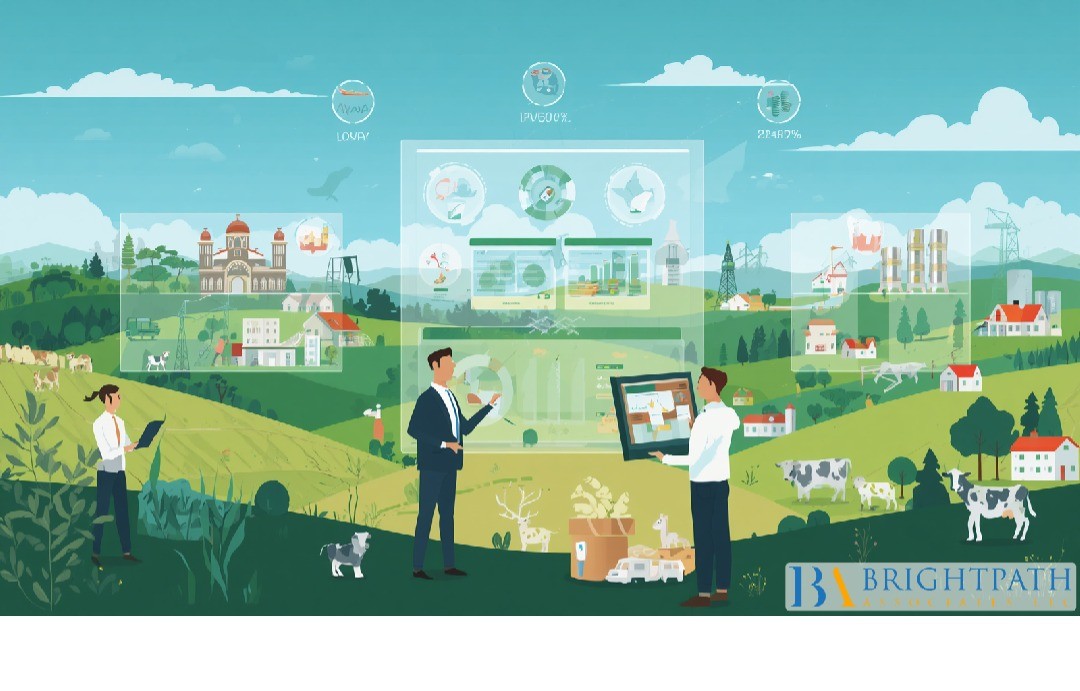
The dairy industry has long been a cornerstone of the global food supply chain, providing essential products that millions of consumers rely on every day. Yet, as market dynamics continue to evolve, the industry is entering a transformative period shaped by technological innovation, sustainability demands, changing consumer preferences, workforce challenges, and shifting investment priorities. For business leaders, investors, and entrepreneurs operating within the dairy sector, understanding these trends is critical for making informed strategic decisions and positioning organizations for long-term success.
In recent years, the dairy industry has demonstrated remarkable resilience despite facing significant headwinds. Volatile commodity prices, supply chain disruptions, labor shortages, regulatory pressures, and changing dietary preferences have created challenges for producers and processors alike. At the same time, these challenges have generated new opportunities for organizations willing to embrace innovation and invest in modernization. As a result, investors are increasingly focusing on companies that demonstrate adaptability, operational efficiency, and the ability to capitalize on emerging market trends.
One of the most significant investment drivers within the dairy sector is technology adoption. Automation, robotics, artificial intelligence, and advanced data analytics are transforming dairy operations from farm management to processing and distribution. Modern dairy farms are leveraging automated milking systems, sensor-based monitoring technologies, and predictive analytics to improve productivity, animal health, and operational efficiency. These investments not only reduce labor dependency but also enhance profitability by enabling more precise decision-making and resource management.
Data-driven operations are becoming increasingly important as dairy businesses seek to optimize production and reduce costs. Real-time monitoring systems provide valuable insights into herd performance, feed efficiency, milk quality, and equipment maintenance. Organizations that successfully integrate these technologies are often better positioned to improve operational outcomes and respond proactively to market fluctuations. For investors, companies embracing digital transformation frequently represent attractive opportunities due to their potential for scalable growth and improved margins.
Sustainability has emerged as another major factor influencing investment decisions throughout the dairy industry. Consumers, regulators, and institutional investors are placing greater emphasis on environmental stewardship and responsible business practices. Dairy producers are responding by investing in renewable energy projects, methane reduction technologies, water conservation initiatives, and sustainable farming practices. Organizations that demonstrate measurable progress toward environmental goals may gain competitive advantages while attracting investment from stakeholders focused on Environmental, Social, and Governance (ESG) criteria.
The growing emphasis on sustainability is also creating opportunities for innovation across the dairy value chain. Advances in waste management, energy efficiency, packaging solutions, and carbon reduction strategies are helping companies improve both environmental performance and financial results. Investors increasingly recognize that sustainability initiatives can drive operational efficiencies, strengthen brand reputation, and support long-term business resilience.
Consumer preferences continue to evolve, creating additional investment opportunities throughout the dairy sector. While traditional dairy products remain highly popular, demand for premium, organic, protein-enriched, lactose-free, and specialty dairy products continues to grow. Health-conscious consumers are seeking products that align with their nutritional goals and lifestyle preferences, encouraging dairy companies to expand product portfolios and explore new market segments. Businesses capable of identifying and responding to these emerging consumer trends are often better positioned for revenue growth and market expansion.
Innovation in product development is becoming a key differentiator for dairy organizations seeking to capture market share. Companies are investing in research and development to create value-added products that address evolving consumer demands while enhancing profitability. Whether through functional foods, nutritional enhancements, or new product categories, innovation remains a critical driver of future growth.
For industry leaders seeking deeper insights into workforce trends, operational excellence, and emerging opportunities within the dairy sector, BrightPath Associates LLC provides valuable resources through its Dairy Industry. Understanding the broader forces shaping the industry can help organizations make more informed strategic decisions while preparing for future challenges and opportunities.
Supply chain resilience has become another important consideration for investors evaluating dairy businesses. Recent global disruptions exposed vulnerabilities in transportation networks, raw material sourcing, and distribution systems. As a result, organizations are investing in supply chain diversification, inventory optimization, and risk management strategies to improve operational stability. Companies that successfully strengthen supply chain resilience may be better equipped to maintain profitability and customer satisfaction during periods of market uncertainty.
Workforce challenges continue to influence the dairy industry's investment landscape. Labor shortages remain a persistent concern across farming, manufacturing, logistics, and processing operations. As experienced workers retire and competition for skilled talent intensifies, organizations must develop effective workforce strategies to maintain productivity and support growth. Investments in employee development, leadership succession planning, automation technologies, and talent acquisition initiatives are becoming increasingly important components of long-term business success.
The ability to attract and retain high-performing leaders is particularly critical in today's competitive environment. Executive leadership plays a vital role in guiding organizations through periods of change, managing operational complexity, and driving innovation. Companies that prioritize leadership development and strategic talent acquisition are often better positioned to capitalize on emerging opportunities and navigate industry challenges.
Global market expansion also presents compelling investment opportunities. Growing populations, rising incomes, and increasing demand for high-quality protein sources are driving dairy consumption in many regions. Organizations capable of expanding distribution networks, entering new markets, and adapting products to local preferences may benefit from significant growth potential. Strategic partnerships, acquisitions, and international expansion initiatives continue to attract attention from investors seeking long-term value creation.
Regulatory developments will also shape the future investment outlook for the dairy industry. Food safety requirements, environmental regulations, animal welfare standards, and trade policies continue to evolve, influencing business operations and investment priorities. Companies that proactively adapt to regulatory changes and maintain strong compliance frameworks may reduce risk exposure while strengthening their competitive position.
Additional perspectives on emerging trends and investment opportunities can be found in BrightPath Associates LLC's original article on the topic: Key Trends Shaping Dairy Industry's Future. The article explores how innovation, sustainability, workforce development, and evolving consumer expectations are influencing the future direction of the dairy sector.
Looking ahead, the dairy industry's future will likely be defined by organizations that successfully balance innovation, sustainability, operational efficiency, and customer engagement. Investors are increasingly seeking companies that demonstrate strategic vision, adaptability, and the ability to create long-term value in a rapidly changing market environment. Those willing to embrace transformation and invest in future-focused initiatives may be best positioned to achieve sustainable growth.
