Investing in Growth: Future of Farm Equipment
Author : Alex Turner | Published On : 17 Apr 2026
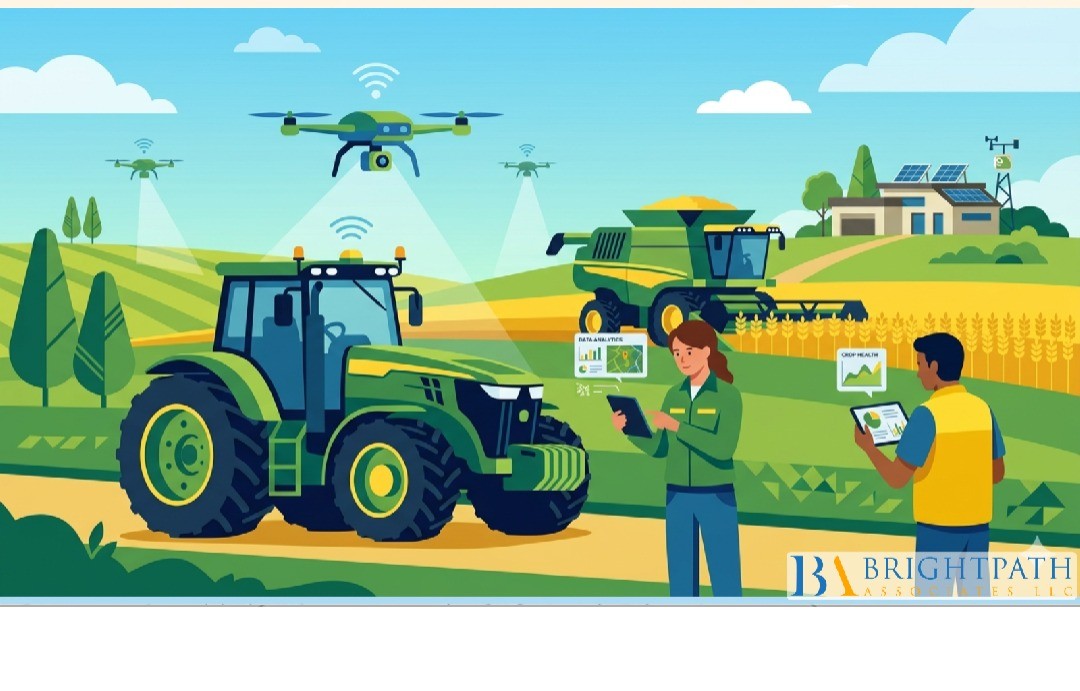
The farming industry is undergoing a significant transformation, and at the center of this evolution lies one critical driver—farm equipment. For small to mid-sized agricultural enterprises across the United States, investing in modern farm machinery is no longer just about increasing productivity; it is about ensuring long-term sustainability, operational efficiency, and competitive advantage. As global food demand rises and labor shortages intensify, the role of advanced farm equipment is becoming more strategic than ever. To gain a deeper understanding of this transformation, you can explore the original article here: Future of Farm Equipment.
The scale of change within the farm equipment market reflects its growing importance. Globally, the agriculture equipment market was valued at over $302 billion in 2025 and is projected to reach nearly $690 billion by 2035, driven by technological advancements and increasing demand for efficient farming solutions . In the United States alone, the market is expected to grow steadily, supported by mechanization, government incentives, and the need to optimize productivity across farms of all sizes . This growth is not just about expansion—it signals a shift toward smarter, data-driven farming practices that are reshaping how agricultural businesses operate.
One of the most defining trends in this space is the rapid adoption of precision agriculture. Modern farm equipment is no longer limited to basic mechanical functions; it now integrates advanced technologies such as GPS, artificial intelligence, IoT sensors, and automation. These innovations enable farmers to monitor crop health, optimize resource usage, and make real-time decisions that enhance yield and reduce waste. Technologies like “see and spray” systems, which use computer vision to target weeds and reduce herbicide usage by up to 80%, are becoming increasingly mainstream . For small and mid-sized farms, these advancements are particularly valuable, as they allow for improved efficiency without requiring large-scale operational changes.
Another key driver of investment in farm equipment is the ongoing labor shortage in agriculture. Finding skilled workers capable of operating complex machinery for extended periods has become increasingly difficult, pushing farmers to rely more heavily on automation and mechanization. Autonomous tractors, unmanned grain carts, and AI-powered equipment are transitioning from experimental technologies to operational necessities. In fact, the growing scarcity of labor is one of the primary factors accelerating the adoption of advanced farm machinery . By reducing dependency on manual labor, these technologies not only improve productivity but also help farms remain resilient in the face of workforce challenges.
However, the path to modernization is not without its challenges. Economic pressures, including fluctuating commodity prices and rising input costs, are impacting farmers’ ability to invest in new equipment. Many small and mid-sized operators are opting to extend the life cycle of existing machinery rather than making significant capital investments. This has led to the rise of retrofit solutions, where older equipment is upgraded with modern technologies such as autonomous steering and data analytics capabilities. These solutions offer a cost-effective way to achieve technological advancement without the financial burden of purchasing entirely new machinery . This trend is democratizing access to advanced farming tools, making innovation more accessible to a broader range of agricultural businesses.
Sustainability is another critical factor shaping the future of farm equipment. As environmental regulations become stricter and consumers demand more sustainable practices, farmers are increasingly turning to equipment that minimizes environmental impact. Electric tractors, energy-efficient machinery, and precision tools that reduce water and chemical usage are gaining traction. The integration of sustainability into equipment design is not only beneficial for the environment but also enhances long-term profitability by reducing operational costs and improving resource efficiency. This alignment of economic and environmental goals is redefining how investments in farm equipment are evaluated.
From a strategic perspective, investing in farm equipment is no longer just a capital expenditure—it is a long-term growth decision. Businesses that embrace modern machinery are better positioned to scale operations, improve efficiency, and adapt to changing market conditions. Larger, more automated equipment is enabling farms to manage increased acreage and higher production demands, particularly as agricultural operations continue to consolidate. At the same time, smaller farms are leveraging compact, technologically advanced equipment to remain competitive in a challenging market landscape.
Yet, technology and equipment alone are not enough. The successful adoption of advanced farm machinery depends heavily on having the right talent in place. Operating, maintaining, and optimizing these systems requires a skilled workforce with both technical expertise and industry knowledge. This is where workforce strategy becomes a critical component of growth. For a broader perspective on how talent and innovation are shaping agriculture, explore Farming industry.
Forward-thinking leaders are recognizing that investment in equipment must be complemented by investment in people. Training programs, upskilling initiatives, and strategic hiring are essential to ensure that employees can effectively leverage modern technologies. Without the right talent, even the most advanced equipment cannot deliver its full potential. This creates a unique opportunity for organizations to align their hiring strategies with their technological investments, building a workforce that is capable of driving innovation and efficiency.
This is where strategic recruitment plays a pivotal role. As the demand for specialized skills increases, companies need access to professionals who can bridge the gap between traditional farming practices and modern technology. Executive recruitment firms like BrightPath Associates LLC help small to mid-sized agricultural businesses identify and secure top talent, from technical experts to leadership roles. By aligning hiring strategies with business objectives, these partnerships enable organizations to build resilient, future-ready teams that can support long-term growth.
Looking ahead, the future of farm equipment will be defined by continuous innovation and integration. The convergence of AI, automation, and sustainability will continue to reshape the agricultural landscape, creating new opportunities for efficiency and growth. Companies that invest in these technologies today will be better positioned to navigate the challenges of tomorrow, from climate change to evolving market demands. Conversely, those that delay investment risk falling behind in an increasingly competitive and technology-driven industry.
Ultimately, investing in farm equipment is about more than machinery—it is about building a foundation for sustainable growth. It is about leveraging technology to enhance productivity, reduce costs, and create a more resilient agricultural ecosystem. For business leaders, the key question is not whether to invest, but how to invest strategically in a way that aligns with long-term goals.
So, where does your organization stand? Are you leveraging modern equipment to drive efficiency and growth, or are you relying on outdated systems that limit your potential? Are you equipped with the right talent to maximize the value of your investments? The future of farming is being shaped today, and the decisions you make now will determine your position in the years to come.
