Inventory Management for Manufacturing: Transforming Production with Smarter Stock Control
Author : Plan IT | Published On : 04 Sep 2026
Manufacturing businesses operate in an environment where every material, component, and finished product can influence production efficiency. A shortage of one critical component may stop an entire production line, while excessive stock can tie up working capital and increase storage and obsolescence risks. This makes effective Inventory Management for Manufacturing an essential part of maintaining a reliable and profitable production operation.
Modern manufacturers need more than basic stock counting. They need accurate visibility into raw materials, work-in-progress (WIP), finished goods, purchase requirements, and production consumption. With smarter inventory control, businesses can connect warehouse activities with production planning and make better decisions using real-time information.
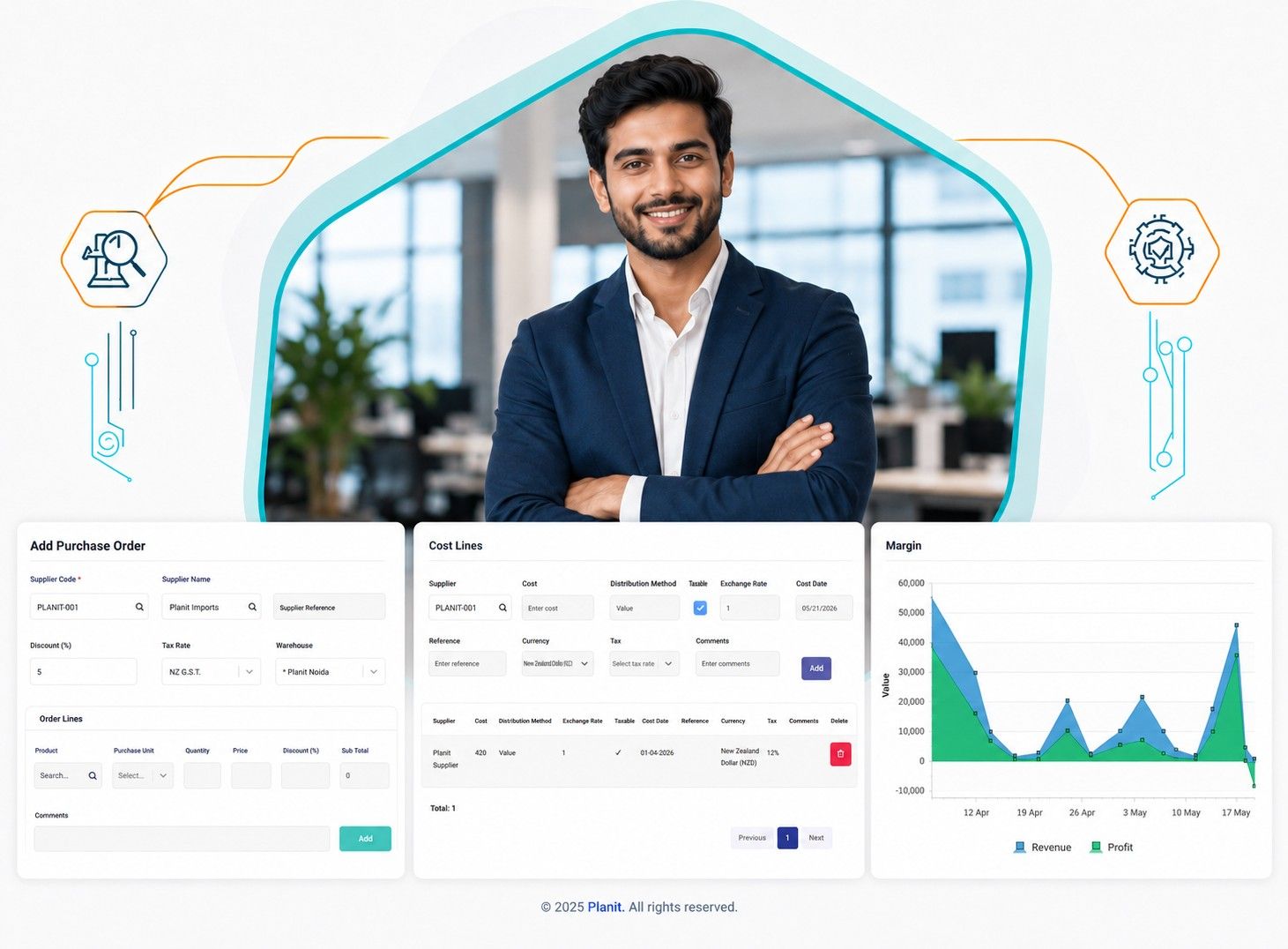
Why Inventory Management Matters in Manufacturing
Manufacturing inventory is more complex than retail inventory because materials continuously change form throughout the production process. Raw materials become components, components move through different production stages, and completed items eventually become finished goods.
An effective inventory system helps manufacturers maintain the right balance between availability and cost. Holding too much stock increases storage and carrying expenses, while holding too little can result in production delays and missed customer commitments.
Inventory carrying costs commonly include storage, handling, insurance, capital, shrinkage, and obsolescence. Some industry estimates place annual carrying costs around 20% to 30% of inventory value, although the actual figure varies considerably by business and inventory type.
The Different Types of Manufacturing Inventory
A manufacturing operation typically manages several categories of stock, each requiring different controls:
-
Raw Materials: Inputs such as metals, chemicals, fabrics, packaging, ingredients, or electronic components used in production.
-
Work-in-Progress: Materials and partially completed products moving through production stages.
-
Finished Goods: Completed products waiting for shipment or customer orders.
-
MRO Inventory: Maintenance, repair, and operational supplies required to keep equipment and facilities running.
-
Packaging Materials: Boxes, labels, containers, pallets, and other items needed for final product preparation.
Managing these categories separately while maintaining a connected view gives production and purchasing teams better control over material availability.
How Smarter Stock Control Improves Production
Traditional spreadsheets and disconnected records can make it difficult to understand what is actually available on the shop floor. A modern inventory management system can provide centralized information that helps teams respond faster.
With smarter stock control, manufacturers can:
-
Monitor stock levels across warehouses and production locations.
-
Identify low-stock and critical materials before they affect production.
-
Track material consumption against production requirements.
-
Maintain accurate WIP information between production stages.
-
Reduce duplicate purchasing and unnecessary inventory.
-
Improve coordination between purchasing, warehouse, production, and sales teams.
-
Track batches or lots for better traceability.
-
Monitor inventory movement and identify slow-moving materials.
Research and industry guidance consistently link effective inventory control with reduced carrying costs, improved production flow, better forecasting, and reduced waste.
Using Data to Prevent Stockouts and Overstocking
One of the biggest advantages of digital Inventory Management for Manufacturing is the ability to make replenishment decisions using actual inventory and production data instead of assumptions.
Businesses can establish reorder points based on demand, supplier lead times, and safety-stock requirements. When stock approaches a predefined level, purchasing teams can receive alerts and take action before a shortage occurs.
At the same time, inventory reports can identify products or materials that have remained unused for extended periods. This allows managers to investigate excess stock, adjust purchasing quantities, or modify production plans.
The objective is not simply to reduce inventory. It is to maintain enough stock to support production while avoiding unnecessary capital investment. Modern manufacturing inventory guidance increasingly describes optimization as achieving the right balance rather than aggressively minimizing stock.
Key Features Manufacturers Should Look For
When selecting an inventory management solution, manufacturers should focus on features that directly support production and material control.
Important capabilities include:
-
Real-time inventory visibility
-
Raw material and finished goods tracking
-
WIP inventory management
-
Purchase order management
-
Reorder level and low-stock alerts
-
Barcode-based stock movement
-
Batch and lot tracking
-
Bill of Materials (BOM) support
-
Production consumption tracking
-
Multi-location inventory management
-
Inventory valuation and reporting
-
Stock movement history
-
Demand and replenishment planning
Integration between inventory and production processes can reduce manual data entry and help teams work from consistent information.
Measuring Manufacturing Inventory Performance
Technology becomes more valuable when businesses measure the results it produces. Manufacturers can monitor several practical inventory KPIs to identify opportunities for improvement.
Useful metrics include:
-
Inventory Turnover: Shows how efficiently inventory is being consumed or sold.
-
Stockout Frequency: Measures how often required materials are unavailable.
-
Carrying Cost: Helps determine the financial impact of holding inventory.
-
Days Inventory Outstanding: Indicates how long inventory remains tied up.
-
Dead Stock: Identifies materials or products with little or no movement.
-
Order Fulfillment Performance: Helps connect inventory availability with customer service.
Tracking these metrics regularly can help management identify whether inventory policies are supporting production goals or creating unnecessary costs.
The Future of Manufacturing Inventory Control
Manufacturing is becoming increasingly data-driven. As production environments become more connected, inventory information can play a central role in purchasing, planning, warehouse management, and customer fulfillment.
For growing manufacturers, adopting Inventory Management for Manufacturing is not simply about replacing spreadsheets. It is about creating a structured flow of information from procurement to production and ultimately to finished-goods delivery.
A smarter approach can help teams spend less time searching for stock information and more time improving production performance. Better visibility also gives management the confidence to make purchasing and production decisions based on current data.
Transform Manufacturing Inventory Management with PlanIT
Managing inventory manually becomes increasingly difficult as product lines, suppliers, warehouses, and production volumes grow. PlanIT helps businesses bring inventory processes into a more organized digital environment, supporting better stock visibility, purchasing control, production coordination, and reporting.
If your manufacturing business wants to reduce inventory-related inefficiencies and gain greater control over material movement, PlanIT can help you build a smarter approach to inventory management.
For more information, connect with the PlanIT team:
-
Mobile: +91-9958474631
-
Email: [email protected]
