Instrument Calibration in the Petrochemical Industry: A Complete Guide
Author : Ncqc laboratory | Published On : 23 Oct 2026
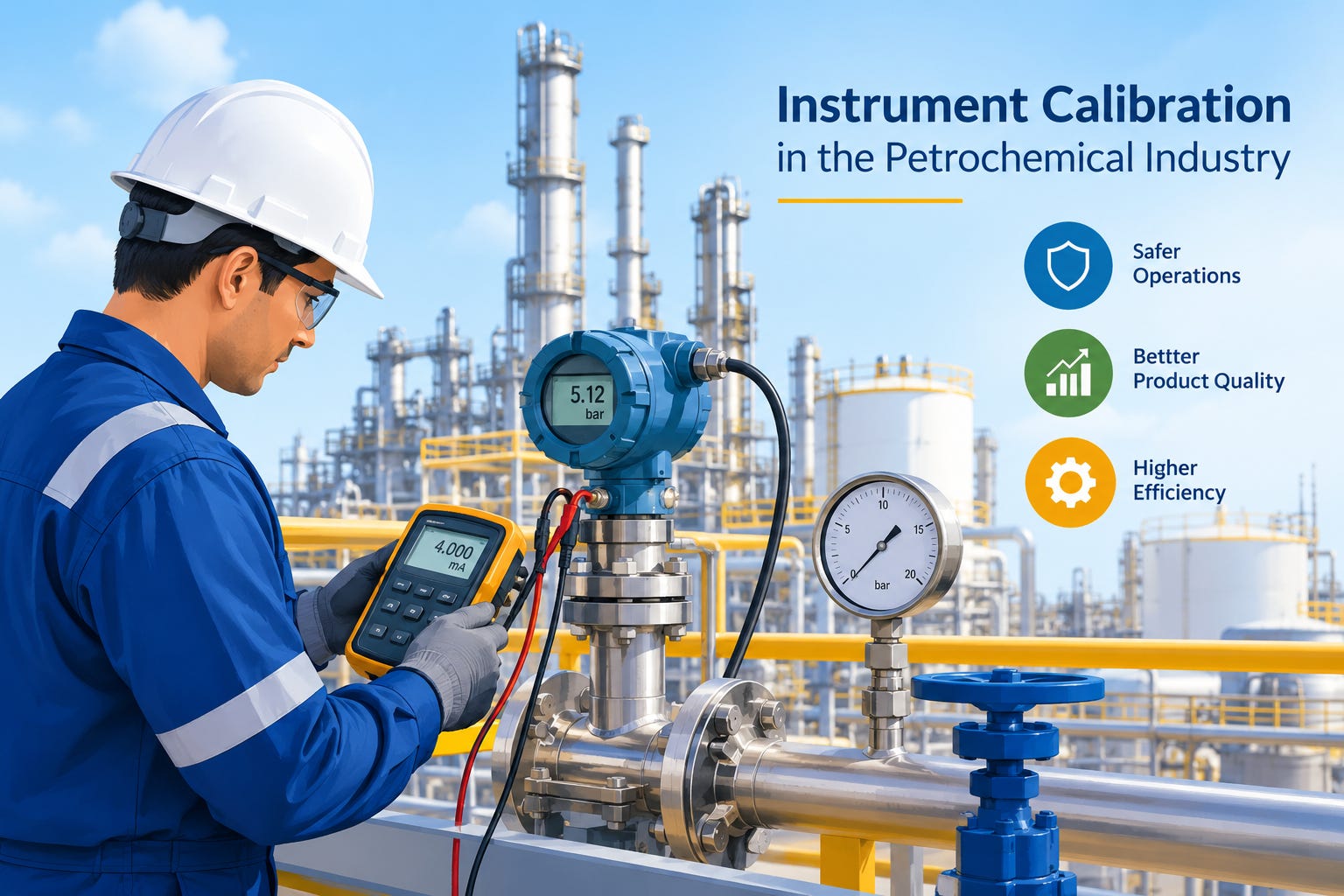
Accurate measurements are essential in the petrochemical industry, where even small errors can affect product quality, process efficiency, and operational safety. Instruments used to monitor pipeline pressure, reactor temperature, and material flow help operators keep industrial processes under control. Instrument calibration in the petrochemical industry helps verify that these devices provide reliable readings within specified limits. Regular calibration also helps identify measurement errors before they lead to unnecessary adjustments, production inconsistencies, or equipment-related problems.
What Is Instrument Calibration?
Instrument calibration involves comparing an instrument’s readings with a suitable reference standard to determine how closely its measurements match the reference values. This process helps assess instrument performance and identify deviations that may require attention.
Common instruments calibrated in petrochemical facilities include:
· Pressure gauges and pressure transmitters
· Temperature sensors and thermocouples
· Flow meters and level transmitters
· Gas detectors and analytical instruments
Each instrument serves a different purpose, but all contribute to monitoring and controlling industrial operations.
Why Is Calibration Important in Petrochemical Plants?
Petrochemical processes often involve demanding operating conditions, making dependable measurements particularly important. Incorrect readings can affect production decisions, process control, and the quality of the final product.
Regular calibration offers several benefits:
· Process safety: Reliable measurements help operators make informed decisions and identify potential measurement-related risks.
· Product quality: Consistent readings support better control over production conditions.
· Operational efficiency: Accurate instruments help reduce unnecessary adjustments and process interruptions.
· Compliance support: Calibration records provide useful evidence during quality audits and inspections.
· Equipment performance: Calibration results can reveal instrument drift and indicate when maintenance may be needed.
Common Instruments That Require Calibration
Different instruments monitor specific process conditions throughout a petrochemical plant. Pressure gauges and transmitters measure pressure in pipelines, reactors, and storage vessels. Temperature sensors monitor heating systems and process temperatures, while flow meters measure the movement of liquids and gases. Level transmitters help track material levels in tanks, and gas detectors monitor designated areas for hazardous gases.
The required calibration frequency depends on factors such as instrument criticality, operating conditions, manufacturer recommendations, and previous calibration results.
Instrument Calibration Process: Step-by-Step
A consistent procedure helps ensure that calibration results are reliable and properly documented.
1. Identify the instrument: Record its identification number, measurement range, and application.
2. Inspect its condition: Check for visible damage and other issues that could affect performance.
3. Choose reference standards: Use suitable standards with appropriate measurement traceability.
4. Compare readings: Test the instrument at selected points across its measurement range.
5. Evaluate results: Compare observed errors with the applicable acceptance limits.
6. Maintain records: Document as-found results and, when applicable, as-left results after adjustments.
7. Address deviations: Arrange adjustment, repair, or replacement when the instrument does not meet requirements.
Challenges in Petrochemical Calibration
Calibration can be challenging because instruments may operate in high temperatures, under varying pressures, or in corrosive environments. Continuous production schedules and difficult-to-access installation points can also complicate maintenance activities. Appropriate safety procedures, trained personnel, and suitable calibration equipment are therefore essential.
Conclusion
A well-managed calibration program helps petrochemical facilities maintain dependable measurements, improve process consistency, and identify instrument problems before they affect operations. By prioritizing critical instruments and reviewing calibration results regularly, facilities can make better-informed maintenance and process-control decisions.
Need dependable measurements for your industrial operations? Contact a qualified calibration laboratory to discuss your instrument calibration requirements.
