Ink Tattoo: A Complete Guide to Choosing Meaningful Body Art
Author : Media post | Published On : 24 Nov 2026
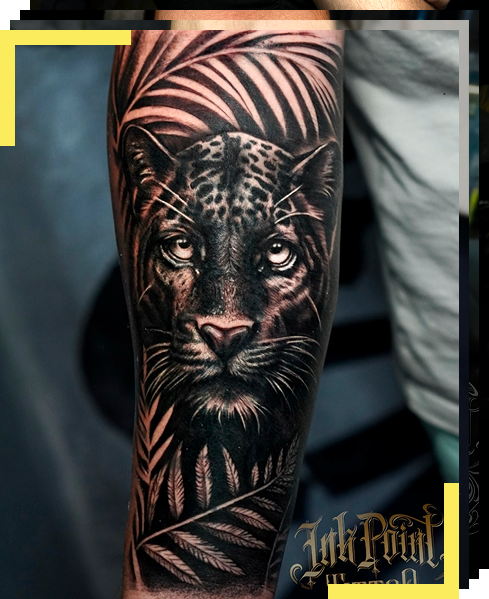
Getting an ink tattoo is more than choosing a design and placing it on your skin. It is a way to express your personality, celebrate a memory, share your beliefs, or create something that feels uniquely yours. From small symbols and fine-line artwork to detailed portraits and large custom designs, tattoos allow people to express themselves through art. Before getting inked, it is important to understand the different styles, design choices, placement options, and aftercare practices. Whether you are getting your first tattoo or planning to add another piece to your collection, taking time to make the right decision can help you enjoy your artwork for years to come.
What Is an Ink Tattoo?
An ink tattoo is a form of body art created by placing tattoo ink into the skin using specialized equipment or traditional tattooing methods. The ink forms a permanent design that can represent a personal story, artistic interest, cultural connection, or individual style.
Tattoos come in many shapes, sizes, and designs. Some people prefer simple symbols, while others choose detailed artwork covering larger areas of the body. The choice depends on personal taste, the meaning behind the design, and how someone wants their tattoo to look.
Modern tattooing offers many creative options, including black and grey artwork, colour tattoos, geometric patterns, traditional designs, and realistic portraits. Each style has its own look and requires a different approach from the artist.
Why Do People Choose Tattoos?
People get tattoos for different reasons. For some, tattoos are a way to remember important people or moments. For others, they are a form of self-expression that reflects their personality, creativity, or interests.
Here are some common reasons people choose tattoos:
-
Personal memories: Tattoos can represent family, friendships, important life events, or special moments.
-
Self-expression: Artwork can reflect personal values, interests, or individuality.
-
Symbolic meaning: Many people choose symbols that represent strength, freedom, courage, love, or growth.
-
Creative appreciation: Tattoos allow people to carry artwork they admire.
-
Cultural connection: Some tattoo styles have roots in traditions and cultural practices.
-
Personal milestones: A tattoo can mark a new beginning, achievement, or meaningful change in life.
A meaningful tattoo does not always need a deep story. Sometimes, people choose a design simply because they like its appearance and feel connected to it.
What Are the Most Popular Tattoo Styles?
Tattoo styles have changed over time, giving people more ways to express their ideas. Choosing a style helps guide the design, shading, colours, and overall appearance of the artwork.
Traditional Tattoos
Traditional tattoos are known for bold outlines, strong colours, and simple shapes. Common designs include roses, anchors, eagles, hearts, skulls, and other classic symbols. Their clear outlines help the artwork remain recognizable over time.
Realistic Tattoos
Realistic tattoos focus on creating lifelike images using detailed shading, contrast, texture, and smooth transitions. Portraits, animals, flowers, and photographs are common sources of inspiration. This style requires a skilled artist who understands proportions, light, shadows, and fine details.
Minimalist Tattoos
Minimalist designs use clean lines and simple shapes. Small symbols, delicate flowers, initials, and fine-line drawings are popular choices. These tattoos are suitable for people who prefer subtle artwork without too many details.
Geometric Tattoos
Geometric tattoos use shapes, lines, patterns, and symmetry to create balanced artwork. They may include circles, triangles, sacred geometry, or abstract compositions. These designs can be simple or highly detailed.
Japanese Tattoos
Japanese tattoo art often includes koi fish, dragons, waves, flowers, and other traditional elements. These designs are known for their strong visual flow, rich details, and symbolic meanings.
How Do You Choose the Right Tattoo Design?
Choosing a design is one of the most important steps before getting a tattoo. A design that looks attractive online may not always work well on your skin or in your preferred placement.
Start by thinking about what you want your tattoo to represent. You may want something connected to a personal memory, a meaningful symbol, a favourite animal, or an artistic idea.
Consider these points before finalizing your design:
-
Choose artwork that matches your personal taste.
-
Collect clear reference images to explain your idea.
-
Think about whether you want a small, medium, or large tattoo.
-
Consider how the design may look as your skin changes over time.
-
Discuss the design with an experienced tattoo artist.
-
Avoid rushing into a decision just because a design is trending.
A custom design can help make your tattoo more personal. Artists can adjust the size, details, shapes, and placement to suit your body and preferences.
Which Body Placement Is Best for a Tattoo?
Tattoo placement can change the appearance and feel of your artwork. The shape of the body, available space, skin movement, and visibility all matter when choosing where to get inked.
Forearm
The forearm is a popular choice for symbols, lettering, flowers, portraits, and medium-sized designs. It offers good visibility and can provide enough space for detailed artwork.
Upper Arm
The upper arm works well for many tattoo styles. It offers room for larger artwork and is easy to cover when needed.
Shoulder
Shoulder tattoos can follow the natural curves of the body. This area is suitable for rounded designs, flowers, animals, and artwork that may extend toward the upper arm or chest.
Back
The back provides a large canvas for detailed or full-scale tattoo designs. It is often chosen for artwork with multiple elements, large portraits, or complex compositions.
Leg
The thigh and calf are suitable for many designs, from small symbols to large pieces. These areas offer flexibility when planning the size and shape of a tattoo.
Before choosing a placement, talk with your artist about how the design will fit and how the area may affect your comfort during the session.
Why Is Choosing a Professional Tattoo Studio Important?
A tattoo stays on your skin for a long time, so choosing a professional studio is an important part of the process. A skilled artist can help you turn your idea into artwork that looks balanced, suits your body, and matches your expectations.
When selecting a tattoo studio, look for:
-
A portfolio showing the artist's actual work.
-
Experience with the tattoo style you want.
-
Clean working areas and proper hygiene practices.
-
Sterile, single-use needles where applicable.
-
Quality tattoo inks and professional equipment.
-
Clear communication about pricing, sessions, and aftercare.
A good artist will also explain what is possible with your design and recommend changes when needed. This guidance can help you avoid choosing artwork that may not age well or fit your chosen placement.
How Should You Care for a New Tattoo?
Aftercare is an important part of getting a tattoo. Fresh tattoos need time to heal, and following your artist's instructions can help protect the skin and support the healing process.
Basic aftercare tips include:
-
Clean the tattoo according to your artist's instructions.
-
Avoid scratching, rubbing, or picking at the healing skin.
-
Wear comfortable clothing that does not irritate the tattoo.
-
Avoid swimming and soaking the tattoo during the healing period.
-
Keep the fresh tattoo away from direct sunlight.
-
Use only recommended aftercare products.
-
Contact a healthcare professional if you notice signs of infection.
Proper care is especially important for people getting tattoos while travelling. Beach visits, swimming, excessive sweating, and sun exposure may interfere with healing, so plan your tattoo appointment carefully.
What Should You Know Before Getting Your First Tattoo?
Your first tattoo experience can feel exciting, but preparation can make the process more comfortable. Eat a proper meal before your appointment, drink enough water, and get a good night's sleep.
Wear clothing that gives easy access to the tattoo area. If you are getting a larger design, ask your artist how long the session may take and whether multiple appointments will be needed.
You should also discuss your health concerns, skin sensitivities, allergies, and any medications that may affect the tattoo process. Being open with your artist helps them guide you safely.
Take your time with the design. A tattoo should be something you feel comfortable wearing rather than a decision made under pressure.
Frequently Asked Questions
How long does an ink tattoo take?
The time depends on the design, size, placement, and level of detail. Small tattoos may take less than an hour, while larger designs may require several hours or multiple sessions.
Are tattoos permanent?
Yes, tattoos are designed to be permanent. Although laser removal may reduce their appearance, removing a tattoo can be expensive, time-consuming, and may not completely remove the ink.
Does getting a tattoo hurt?
Tattoo discomfort varies from person to person. Placement, session length, individual pain tolerance, and the tattoo technique can affect how it feels.
How do I choose a tattoo artist?
Look for an artist with experience in your preferred style, a strong portfolio, professional hygiene practices, and clear communication. Review healed work whenever possible.
Can I get a custom tattoo design?
Yes, many tattoo artists create custom artwork based on your ideas, reference images, preferred style, size, and placement. A consultation helps turn your concept into a suitable design.
Conclusion
A tattoo is a personal form of art that can reflect your memories, interests, beliefs, and creativity. Choosing the right design, placement, style, and artist can make a big difference in the final result. Take time to explore ideas, ask questions, review portfolios, and understand the healing process before making your decision. Whether you prefer a small symbol, bold traditional artwork, or detailed custom designs, your tattoo should feel meaningful and suit your personality. If you are planning your next body art, Inkpoint Tattoo Studio can help you explore creative ideas, discuss custom designs, and find an artwork style that matches your vision.
