Industry Perspective: Addressing Talent Gap in Construction Materials
Author : Victor Lang | Published On : 26 Feb 2026
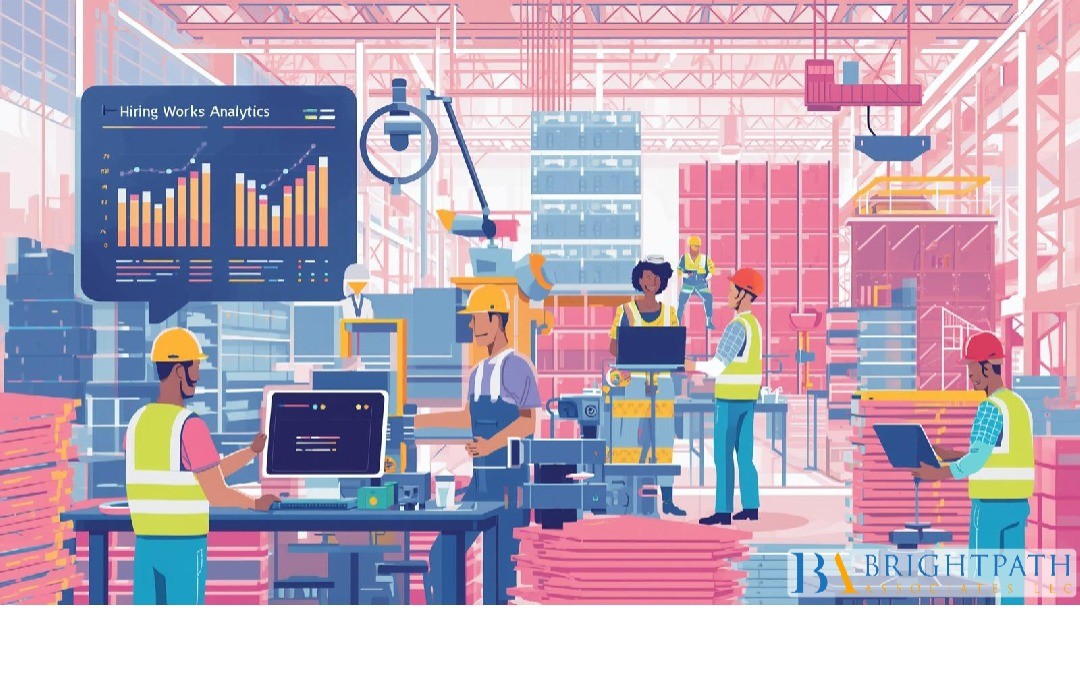
In the rapidly evolving landscape of construction materials, one undeniable truth is reshaping how industry leaders think about growth, innovation, and competitiveness: talent is the new strategic differentiator. While advancements in technology, sustainability, and operational efficiency are front-of-mind for executives, the persistent challenge of attracting and retaining skilled professionals, especially at the leadership level, remains a critical barrier to success.
This dilemma is not isolated—it spans the full spectrum of material sectors including glass, ceramics, and concrete. At a time when demand for advanced materials and sustainable building solutions continues to rise, companies that fail to close the talent gap risk forfeiting competitive advantage, operational efficiency, and long-term growth.
Construction Materials Talent Gap: Root Causes and Industry Impacts
Several converging forces are widening the talent gap in the construction materials industry:
1. Technological Disruption and Skills Mismatch
Emerging technologies—from advanced concrete production techniques and smart manufacturing systems to digital quality control—are transforming material production and deployment. However, the workforce required to lead these changes must be proficient not only in traditional industry skills but also in cutting-edge technologies that intersect with data analytics, automation, and sustainability. This dual demand creates a gap between current skill levels and future requirements.
2. Aging Workforce and Demographic Shifts
Like many industrial sectors, construction materials firms are contending with an aging workforce. Seasoned professionals are entering retirement, taking decades of institutional knowledge with them, while younger generations are less inclined—or less aware of the opportunities—to enter material science and production fields. This demographic trend accelerates the talent shortfall and limits the available pipeline of skilled professionals.
3. Evolving Role Expectations
Today’s industry leaders are expected to be more than operational experts—they must be visionaries who can drive digital transformation, sustainability initiatives, regulatory compliance, and strategic growth. Finding candidates who combine technical depth, strategic insight, and leadership agility is proving increasingly difficult for small to mid-sized enterprises competing against larger, resource-rich organizations.
The result? Companies are experiencing longer hiring cycles, higher retention challenges, and growing costs associated with workforce development—all of which can erode productivity and innovation.
Why Strategic Talent Acquisition Matters Now More Than Ever
The traditional recruitment methods that once sufficed are no longer adequate. Firms that rely solely on job boards or generic hiring protocols are losing ground in the race for top talent. Gone are the days when hiring was reactive. In today’s environment:
-
Leadership roles require strategic foresight—professionals who can anticipate industry shifts and architect responsive solutions.
-
Functional roles demand technical proficiency—workers who can navigate both material science and digital tools.
-
Cultural fit is critical—individuals who can align with firm values and foster team cohesion in complex environments.
This is why executive search recruitment is no longer a luxury—it’s a business imperative for companies pursuing sustainable growth and market leadership. Firms specializing in talent solutions can help bridge the gap between available candidates and the precise strategic needs of an organization.
Strategic Approaches to Talent Gap Solutions
To overcome this challenge, organisations are adopting multi-layered strategies that elevate recruitment and retention beyond traditional models.
1. Redefine and Strengthen Employer Branding
In a crowded talent marketplace, the company’s brand is a powerful tool for attraction. Firms that articulate a compelling mission, provide visible growth pathways, and showcase their commitment to innovation and sustainability stand out to high-caliber candidates.
Highlighting projects on green materials, technology adoption, and community impact not only appeals to technical experts but also resonates with professionals aiming to make a meaningful contribution.
2. Invest in Targeted Training and Workforce Development
Recruitment alone cannot solve the talent gap—it must be complemented by internal capability building. Focused training programs that equip employees with the skills necessary for tomorrow’s technologies and material trends enable firms to cultivate talent from within. Executive leadership development accelerates this process by preparing high-potential employees for strategic roles.
3. Forge Industry and Academic Partnerships
Collaborations with educational institutions, trade schools, and technical colleges help build a talent pipeline from the ground up. Apprenticeships, internships, and sponsored projects bring fresh talent into the industry and expose them to real-world material manufacturing and production challenges early in their careers.
4. Leverage Executive Search and Specialized Recruiters
For C-Suite and senior leadership positions, partnering with executive search specialists ensures that companies gain access to curated talent networks, industry insights, and best-in-class candidates. These firms are adept at matching organizational needs with professionals who not only have technical strength but also strategic vision and leadership agility.
This level of recruiting is particularly valuable in highly specialised sectors such as the glass, ceramics, and concrete industry —where understanding niche market trends, regulations, and operational demands is essential.
Real-World Wins: How Strategic Hiring Powers Industry Growth
Forward-thinking companies are already reaping the benefits of strategic talent initiatives. These firms report:
-
Shorter time-to-fill for critical roles
-
Higher retention and employee engagement rates
-
Stronger leadership bench strength
-
Improved competitive performance
-
Greater operational efficiency and innovation outcomes
Case studies underscore how tailored recruitment strategies—not just placements—can transform organizational trajectory and position firms to excel in emerging market demands. Leaders who proactively build talent pipelines are better equipped to navigate supply chain complexities, adopt sustainability goals, and respond to technological disruption with confidence.
Conclusion: From Talent Gap to Talent Advantage
The talent gap in the construction materials industry is more than just a hiring challenge—it’s a strategic obstacle that affects growth, innovation, and long-term resilience. By recognizing its impact early and addressing it through intelligent recruitment, workforce development, and employer brand strengthening, small and mid-sized enterprises can turn what once seemed a deficit into a competitive advantage.
The landscape is evolving—and the companies that adapt fastest by investing in talent are the ones poised for enduring success. To dive deeper into the core challenges and strategies discussed here, read the original article Industry Perspective: Addressing the Talent Gap in Construction Materials.
