Industrial Demolition: A Complete Guide to Safe and Efficient Industrial Demolition Services
Author : Tenex Industrial | Published On : 12 Nov 2026
Industrial demolition is a specialized process that involves dismantling, removing, or demolishing industrial structures, facilities, and equipment. Unlike residential demolition, industrial demolition requires careful planning, specialized machinery, experienced professionals, and strict safety procedures. Whether a business needs to remove an outdated warehouse, dismantle an unused manufacturing facility, or clear space for a new industrial development, professional demolition services help ensure the project is completed safely and efficiently.
What Is Industrial Demolition?
Industrial demolition refers to the controlled removal of industrial buildings, structures, machinery, and other facility components. These projects can include factories, manufacturing plants, warehouses, processing facilities, distribution centers, and large commercial properties.
Industrial demolition contractors evaluate the structure, surrounding environment, materials, and project requirements before beginning work. The goal is to remove unwanted structures while minimizing risks, disruptions, and unnecessary waste.
Depending on the project, demolition may involve complete structural removal or selective dismantling to preserve specific equipment, materials, or building components.
When Is Industrial Demolition Necessary?
Businesses may require industrial demolition for several reasons. Understanding when demolition is necessary can help facility owners make informed decisions about their properties.
Facility Renovation and Redevelopment
Older industrial facilities may no longer meet modern operational requirements. Demolition can remove outdated structures and create room for new construction, improved layouts, and upgraded infrastructure.
Removal of Damaged Structures
Industrial buildings can experience structural damage caused by aging, fire, environmental exposure, or equipment-related incidents. Professional demolition may be necessary when a structure is no longer safe or practical to maintain.
Expansion of Industrial Operations
Growing businesses may need additional warehouse space, production areas, or equipment installation zones. Removing unused structures can help create the space needed for expansion.
Decommissioning Industrial Facilities
When a factory or manufacturing plant closes, its buildings, machinery, and infrastructure may need to be dismantled. Industrial demolition supports the closure process by removing obsolete assets and preparing the property for future use.
Types of Industrial Demolition Services
Industrial demolition projects vary depending on the structure, materials, and business objectives.
Complete Industrial Building Demolition
Complete demolition involves removing an entire industrial structure, including its major structural components. This service is often required when a facility is no longer operational or when the property is being prepared for redevelopment.
Selective Industrial Demolition
Selective demolition focuses on removing specific sections of a building while preserving other areas. It is commonly used during renovations, facility upgrades, and phased construction projects.
Warehouse Demolition
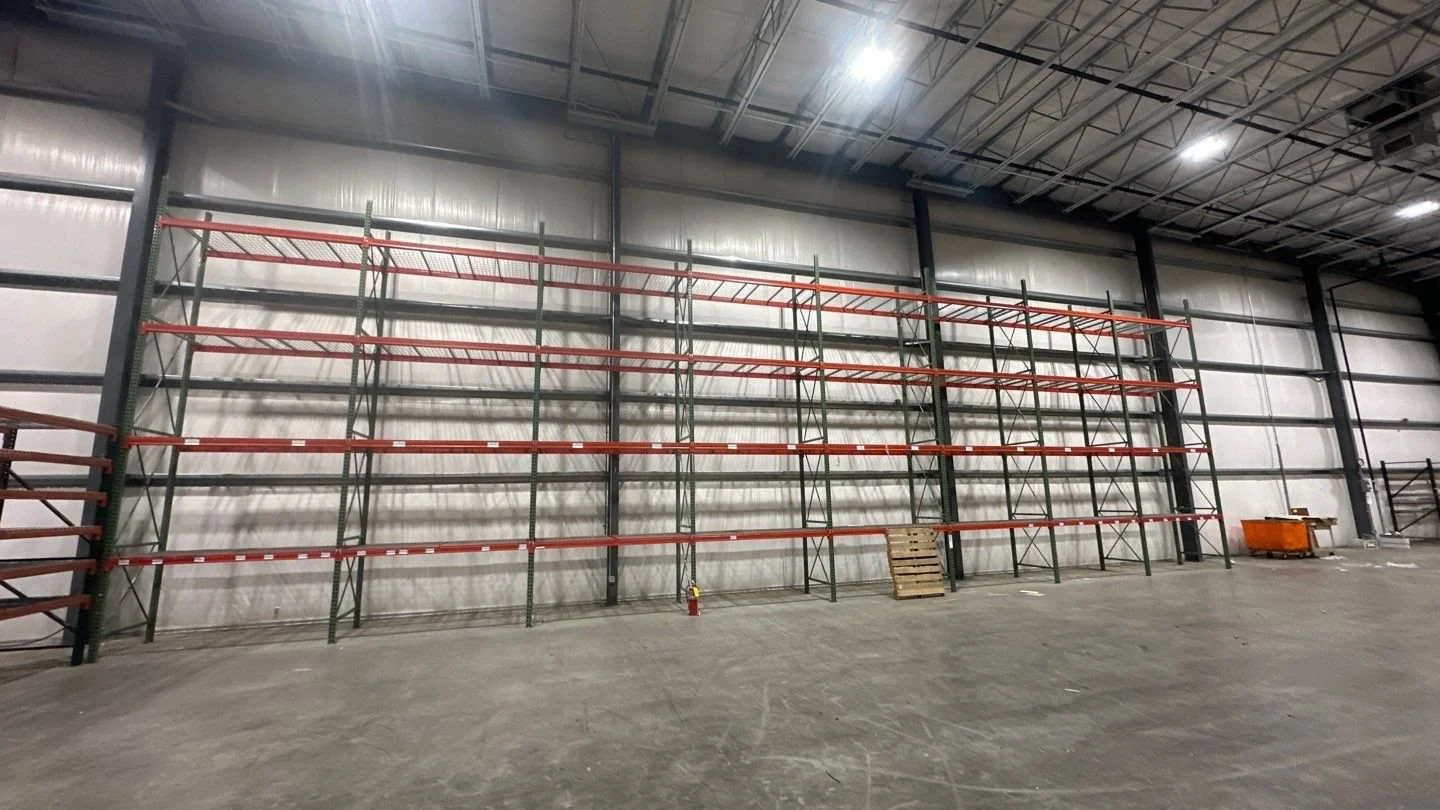
Warehouse demolition involves dismantling storage facilities, distribution centers, and industrial buildings. Depending on the project, contractors may remove structural components, interior partitions, loading areas, and other unwanted features.
Industrial Equipment Dismantling
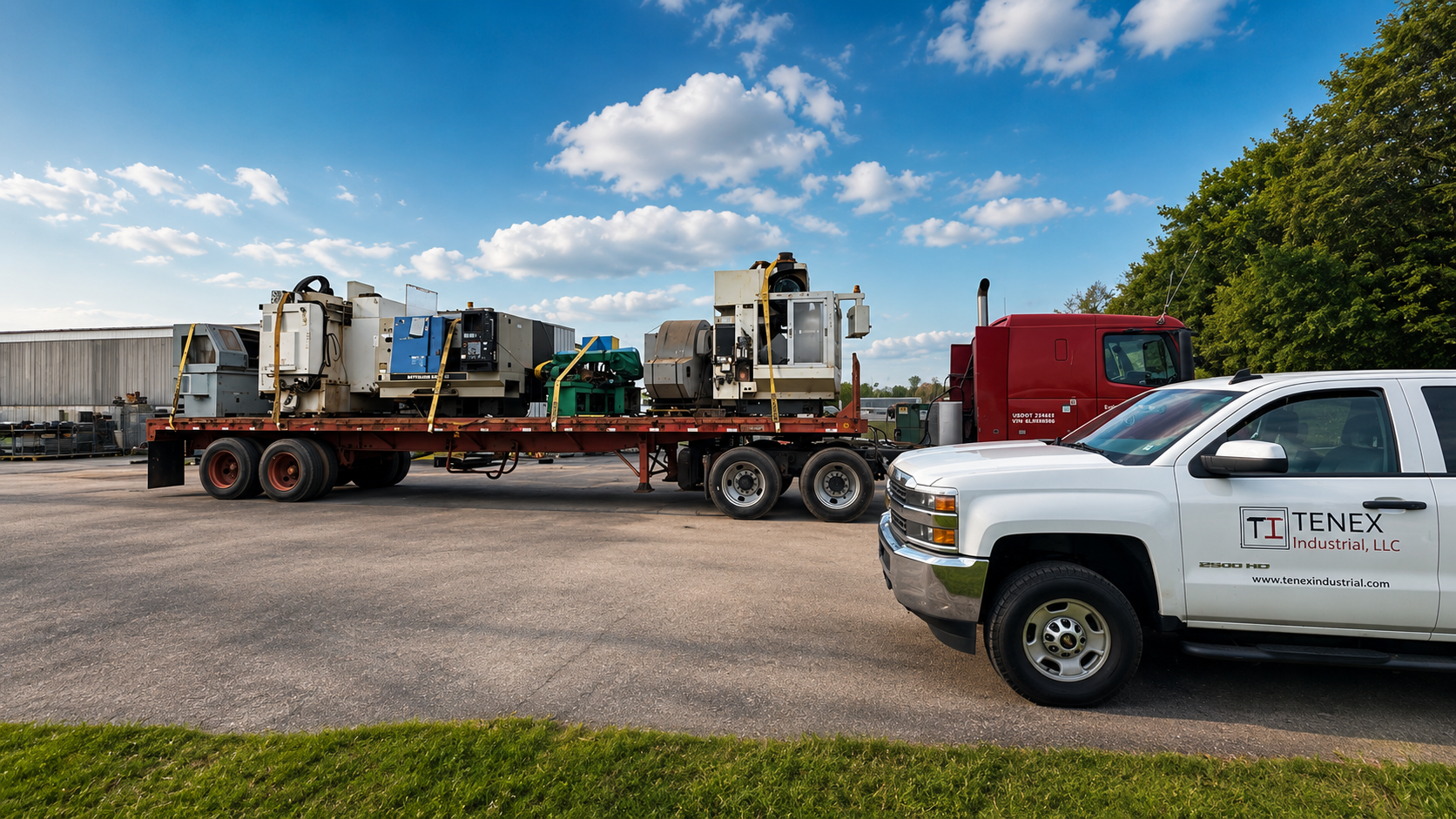
Industrial facilities often contain large machinery, production systems, and heavy equipment. Professional dismantling allows these assets to be removed in a controlled manner, supporting equipment relocation, resale, recycling, or disposal.
Plant and Factory Demolition
Factory demolition requires detailed coordination due to the presence of machinery, electrical systems, structural components, and potentially hazardous materials. A well-organized demolition process helps reduce operational and environmental risks.
The Industrial Demolition Process
A successful industrial demolition project follows a structured approach to ensure safety, efficiency, and compliance.
1. Site Assessment and Project Planning
The first step is evaluating the industrial facility. Contractors inspect the structure, identify materials, assess potential hazards, and determine the appropriate demolition method.
Project planning also considers site access, nearby buildings, equipment requirements, waste handling, and project timelines.
2. Safety and Hazard Identification
Industrial facilities may contain hazardous substances, including asbestos, chemicals, oils, or other materials requiring specialized handling. Identifying these hazards before demolition is essential.
A proper safety plan outlines procedures for protecting workers, nearby properties, and the surrounding environment.
3. Utility Disconnection
Before demolition begins, relevant utilities such as electricity, gas, water, and other service connections must be safely disconnected or isolated.
This step helps prevent accidents and ensures that demolition activities can proceed under controlled conditions.
4. Equipment and Structural Dismantling
Depending on the facility, contractors may begin by removing machinery, interior components, or selected structural elements.
Specialized equipment, including excavators, hydraulic tools, and material handling systems, may be used to complete the dismantling process.
5. Material Removal and Recycling
Demolition generates various materials, including concrete, steel, metal components, wood, and other debris.
Whenever practical, materials are separated for recycling or recovery. Responsible material management can reduce landfill waste and improve overall project efficiency.
6. Site Cleanup and Preparation
After demolition is completed, the site is cleared of remaining debris and inspected. The property may then be prepared for construction, redevelopment, or another intended purpose.
Why Hire Professional Industrial Demolition Contractors?
Industrial demolition involves complex requirements that demand professional experience and specialized resources.
Improved Workplace Safety
Experienced contractors understand demolition hazards and follow established safety procedures. Proper planning, equipment, and training help reduce the risk of injuries and property damage.
Efficient Project Execution
Professional demolition teams coordinate equipment, labor, and material handling to maintain an organized workflow. This can help minimize unnecessary delays.
Specialized Equipment and Expertise
Industrial structures often require heavy-duty machinery and advanced dismantling techniques. Professional contractors have the knowledge and resources to manage demanding demolition projects.
Responsible Waste Management
Experienced contractors can identify recyclable materials and organize debris removal. This supports more responsible handling of demolition waste.
Reduced Business Disruption
For facilities operating near other businesses or industrial sites, carefully managed demolition can help reduce noise, access issues, and unnecessary disruption.
Factors That Affect Industrial Demolition Costs
The cost of industrial demolition depends on several project-specific factors.
-
Building size and complexity: Larger structures and complex layouts generally require more labor and equipment.
-
Material composition: Concrete, steel, and specialized structural materials can affect dismantling requirements.
-
Site accessibility: Limited access may require additional planning and equipment.
-
Hazardous materials: Specialized removal and disposal procedures can increase project costs.
-
Equipment requirements: Heavy machinery and specialized tools influence the overall budget.
-
Waste disposal and recycling: Transportation, sorting, and disposal requirements affect project expenses.
-
Project timeline: Tight deadlines or phased demolition may require additional resources.
A professional site assessment helps contractors develop a clear scope of work and a more accurate project estimate.
Choosing the Right Industrial Demolition Company
Selecting a qualified demolition contractor is an important decision for any industrial project. Businesses should consider the contractor's experience with similar facilities, safety practices, equipment capabilities, project planning process, and waste management approach.
It is also important to understand the proposed demolition method, expected timeline, site preparation requirements, and responsibilities related to permits and hazardous materials.
Clear communication between the facility owner and contractor helps ensure that project expectations are aligned from the beginning.
Conclusion
Industrial demolition plays an important role in facility redevelopment, industrial expansion, and the removal of outdated or damaged structures. From factory dismantling and warehouse demolition to industrial equipment removal, every project requires careful planning, professional expertise, and a strong focus on safety.
Working with experienced industrial demolition contractors helps businesses manage complex demolition requirements, maintain an organized process, and prepare their properties for future use. With the right approach, industrial demolition can become a practical and efficient step toward modernization, redevelopment, and improved industrial operations.
