Industrial Automation Training Courses: Developing Skills for Future of Manufacturing
Author : Jimmy Patel | Published On : 25 Mar 2026
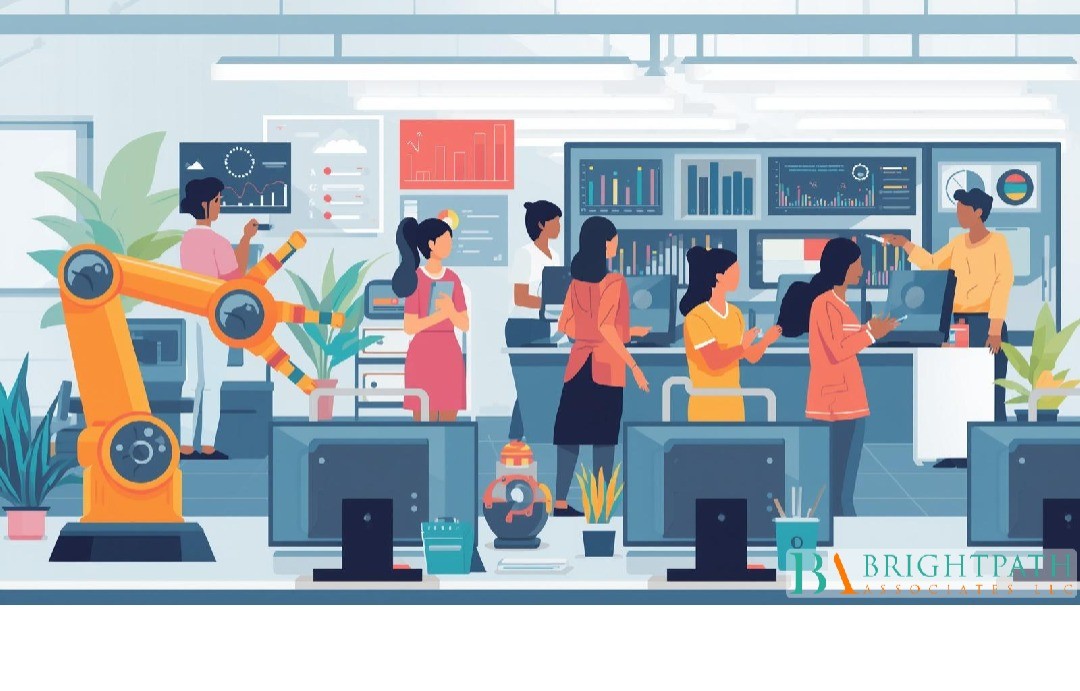
The manufacturing sector is undergoing one of the most profound transformations in its history. Driven by Industry 4.0, digitalization, and intelligent systems, industrial automation is no longer a competitive advantage—it is a necessity. Yet, while organizations are investing heavily in technologies such as robotics, PLCs, and IIoT, one critical question remains:
Automation Boom—and the Skills Gap Behind It
Modern manufacturing environments are powered by technologies like Programmable Logic Controllers (PLCs), SCADA systems, robotics integration, and machine vision. These systems enable real-time monitoring, precision control, and scalable production capabilities.
However, as automation adoption accelerates, companies are facing a widening skills gap. Traditional manufacturing roles are evolving into highly technical positions requiring expertise in data analytics, system integration, and intelligent control systems.
According to industry insights, automation is increasing productivity, reducing errors, and improving operational efficiency—but only when supported by a skilled workforce capable of managing these advanced systems.
Why Industrial Automation Training Is a Strategic Imperative
Industrial automation training is no longer just an HR initiative—it is a business growth strategy. Training programs focused on PLC programming, robotics operation, IIoT integration, and control systems enable organizations to:
-
Improve operational efficiency and reduce downtime
-
Enhance production quality and consistency
-
Increase workforce adaptability to new technologies
-
Strengthen innovation capabilities across teams
More importantly, training empowers employees to transition from repetitive tasks to high-value, decision-driven roles, creating a more engaged and future-ready workforce. Companies that prioritize upskilling are not only closing skill gaps but also building a competitive advantage in agility and innovation.
Core Areas of Industrial Automation Training
To remain competitive, organizations must align their training strategies with the core pillars of modern automation:
-
PLC Programming & Control Systems: PLCs act as the “brain” of automated manufacturing systems, controlling processes with precision and flexibility. Mastery of PLC programming is essential for maintaining efficient production lines.
-
SCADA Systems & Data Monitoring: SCADA systems provide real-time visibility into operations, enabling proactive decision-making and minimizing disruptions.
-
Robotics & Cobots Integration: From assembly lines to quality inspection, robotics are transforming productivity. Collaborative robots (cobots) further enhance human-machine synergy.
-
Industrial IoT (IIoT) & Smart Manufacturing: IIoT connects machines, systems, and data, enabling predictive maintenance and smarter decision-making across the production lifecycle.
Leadership Factor: Why Training Alone Isn’t Enough
While technical training is essential, it is only one part of the equation. The real differentiator lies in leadership. Organizations need executives who understand both technology and talent strategy—leaders who can align automation investments with business objectives, drive digital transformation, and build high-performing teams.
This is where strategic hiring becomes critical. If you're looking to better understand how automation is shaping leadership needs, explore the broader landscape of the Industrial Automation Industry and how talent is evolving alongside technology. Without the right leadership in place, even the most advanced training programs can fail to deliver measurable results.
Small Teams, Big Impact: The Advantage of Agile Upskilling
One of the most interesting trends in industrial automation is the rise of small, highly skilled teams. Unlike large enterprises, small to mid-sized manufacturers have the advantage of agility. With targeted training initiatives, they can:
-
Adapt quickly to technological changes
-
Implement automation faster
-
Foster a culture of continuous learning
-
Drive innovation with fewer resources
Case studies across the industry show that companies investing in automation training have achieved significant improvements in productivity, efficiency, and waste reduction.
Overcoming the Biggest Challenges in Automation Training
Despite its importance, many organizations struggle with implementing effective training programs. Common challenges include:
-
Lack of internal expertise
-
Resistance to change among employees
-
Difficulty aligning training with business goals
-
Shortage of qualified trainers and leaders
Future of Manufacturing Belongs to the Skilled
The next decade of manufacturing will be defined by companies that successfully integrate technology, talent, and leadership. Automation will continue to evolve—with AI, machine learning, and advanced robotics pushing the boundaries of what’s possible. But at its core, manufacturing will remain a human-driven industry.
Skilled professionals will design, manage, and optimize these systems. Visionary leaders will scale them. And organizations that invest in both will dominate their markets.
If you want a deeper dive into how training programs are shaping this transformation, explore this detailed resource on Industrial Automation Training Courses and their role in building future-ready teams.
Final Thought: Are You Building a Future-Ready Workforce?
As a C-suite leader or business owner, the question is no longer whether to invest in automation.
At BrightPath Associates LLC, we specialize in helping small to mid-sized industrial automation companies identify, attract, and hire the leadership talent needed to drive transformation.
