Indoor Golf Simulators: A Smarter Way to Practice, Play, and Improve
Author : Tee Time Golf Sim | Published On : 06 Oct 2026
A New Approach to Modern Golf Practice
Imagine stepping onto a golf course after weeks of practice and realizing that every swing, distance, and club choice feels familiar. That convenience is one reason indoor golf has become an appealing alternative to traditional practice. Modern simulator technology can recreate realistic courses while measuring important details about each shot. The concept is especially useful when weather, daylight, location, or limited access to a course becomes a challenge. This article explores how simulator technology works, what affects its cost, and why it can make golf practice more accessible, engaging, and measurable for different skill levels.
Understanding the Cost Behind Indoor Golf
A simulator experience can range from a simple practice station to a sophisticated setup designed to reproduce the atmosphere of a professional golf environment. Several elements influence indoor golf simulator pricing, including the quality of launch-monitor technology, screen and projector specifications, software subscriptions, enclosure design, club-tracking capabilities, and the size of the available space. Higher-end systems generally provide more detailed measurements and realistic graphics, while simpler installations may focus primarily on swing analysis. Understanding these differences helps players evaluate what features genuinely matter instead of choosing equipment based solely on appearance, brand recognition, or advertised specifications.
Technology That Turns Every Swing Into Data
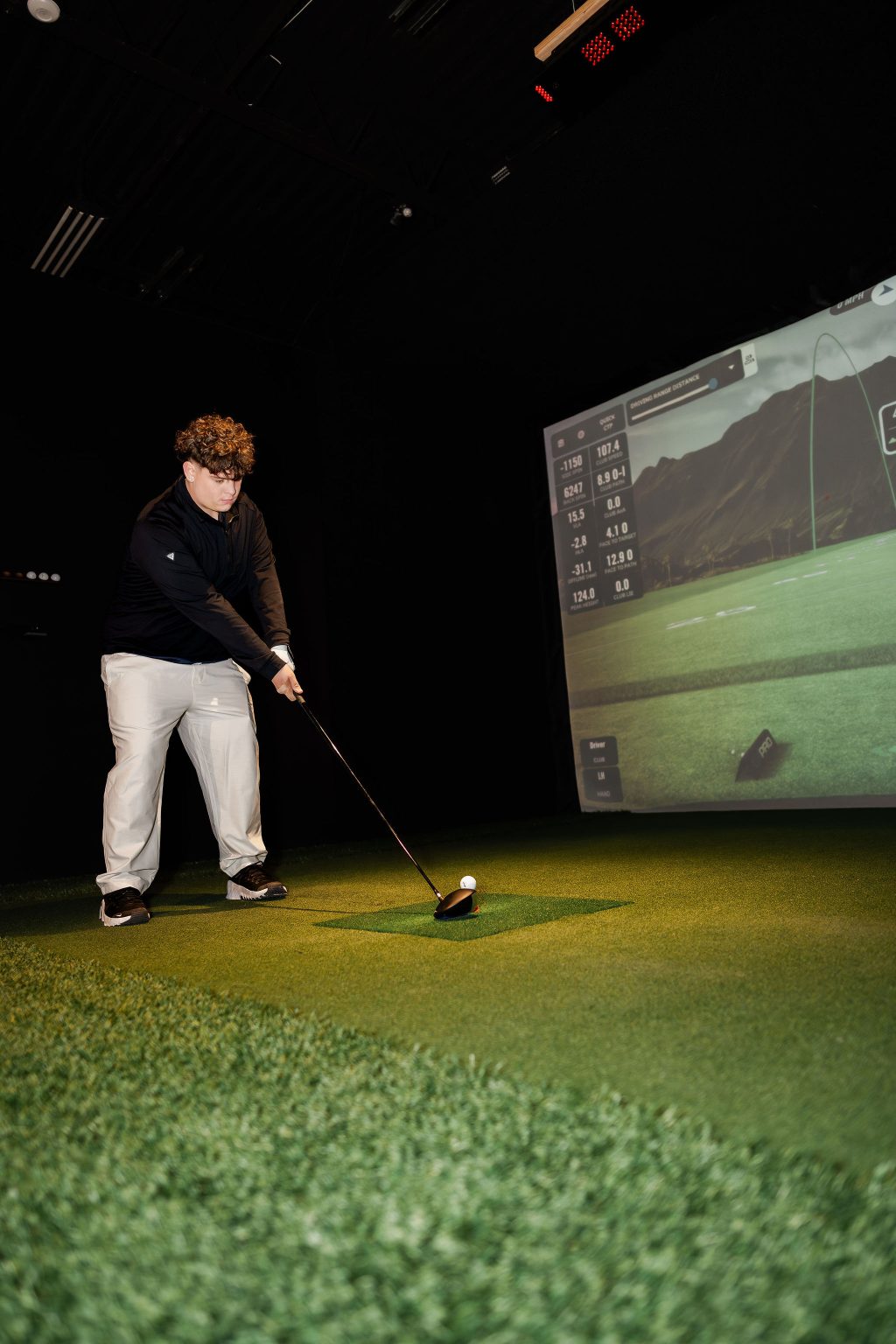
One of the biggest advantages of indoor simulation is the amount of information available after a shot. Depending on the system, measurements may include club speed, ball speed, launch angle, carry distance, spin rate, and shot direction. This information can reveal patterns that are difficult to recognize through observation alone. A player might discover that inconsistent contact, rather than poor alignment, is responsible for lost distance. Repeated practice can then be compared through recorded statistics, creating a clearer picture of improvement. Such measurable feedback transforms practice from simple repetition into a more deliberate learning process.
Making Golf More Approachable for New Players
Starting golf can feel intimidating when unfamiliar equipment, complicated terminology, and formal course etiquette are involved. An indoor environment can remove some of those pressures while allowing new players to learn at a comfortable pace. A Golf simulator for beginners can provide opportunities to understand club selection, ball flight, distance control, and basic swing mechanics without immediately facing the challenges of a full course. Simulated practice can also introduce different holes and playing conditions in a controlled setting. This combination of education and experimentation may help newcomers develop confidence before participating in outdoor rounds with more experienced golfers.
Practice That Fits Into a Busy Schedule
Traditional golf practice often requires travel, favorable weather, and enough daylight to make the trip worthwhile. Indoor simulation changes that equation by bringing practice into a controlled environment where sessions can be scheduled throughout the year. A golfer can work on a particular club, test different swing adjustments, or play several simulated holes without spending hours traveling between locations. Consistency can be particularly valuable because regular short sessions may produce better learning opportunities than occasional long practices. The controlled setting also makes it easier to focus on specific goals without many of the distractions found on an outdoor course.
Entertainment Beyond Traditional Practice
Indoor simulators are not limited to technical training. Many systems offer virtual versions of well-known courses, competitive games, skills challenges, and multiplayer formats. This makes them suitable for casual social gatherings as well as individual practice. Friends can compete over selected holes, compare scores, or experiment with different courses without needing identical playing conditions. The entertainment aspect can also encourage golfers to spend more time practicing naturally. For businesses and recreational facilities, simulator technology can create an experience that combines sport, competition, and social interaction, making golf appealing even when outdoor conditions are unsuitable.
Choosing Features Based on Actual Needs
Selecting a simulator requires consideration beyond the headline specifications. Available room dimensions, ceiling height, intended frequency of use, desired level of realism, and software compatibility can all affect the suitability of a system. A recreational player may prioritize easy setup and enjoyable course simulation, while a serious golfer may place greater importance on precise measurements and advanced analysis. Installation requirements should also be considered because projectors, impact screens, sensors, flooring, lighting, and protective structures can influence both performance and convenience. Evaluating these factors before purchasing or booking a simulator experience can prevent unnecessary spending on features that provide little practical value.
The Future of Accessible Golf Practice
Simulator technology continues to change how golf can be learned, practiced, and enjoyed. Better sensors, improved graphics, increasingly detailed analytics, and more flexible software are making indoor experiences feel progressively closer to outdoor play. The technology does not replace the importance of playing on an actual course, where terrain, wind, grass conditions, and environmental factors influence every shot. Instead, it can complement outdoor golf by providing convenient opportunities for practice and analysis. As simulator facilities become more common, indoor golf is likely to remain a useful bridge between structured training, recreational play, and the broader golfing community.
Conclusion: A Practical Path Into Modern Golf
Indoor simulation offers a balanced combination of convenience, feedback, practice, and entertainment. It can support experienced golfers seeking measurable improvement while giving newcomers a less intimidating way to understand the fundamentals of the game. The best experience depends on choosing technology and facilities that match individual goals rather than automatically selecting the most expensive option. For players interested in exploring this approach, Tee Time Golf Sim represents an example of how simulator-based golf can bring realistic practice and recreation into an accessible indoor environment while preserving the enjoyment and challenge that make golf such a distinctive sport.
Social Media Links :-
