Important Factors to Consider: Solar Panels for Home in Melbourne
Author : Volts Electrics | Published On : 19 Nov 2026
Electricity prices and household energy needs are important considerations for Melbourne homeowners. Installing solar panels for home in Melbourne can be a practical way to generate renewable electricity, reduce reliance on grid power and manage energy costs over the long term. However, choosing a solar system involves more than comparing prices or selecting panels with the highest output. You need to consider your household's electricity usage, roof condition, panel quality, inverter, warranties and installer experience. Understanding these factors before purchasing can help you choose a system that suits your property and energy requirements.
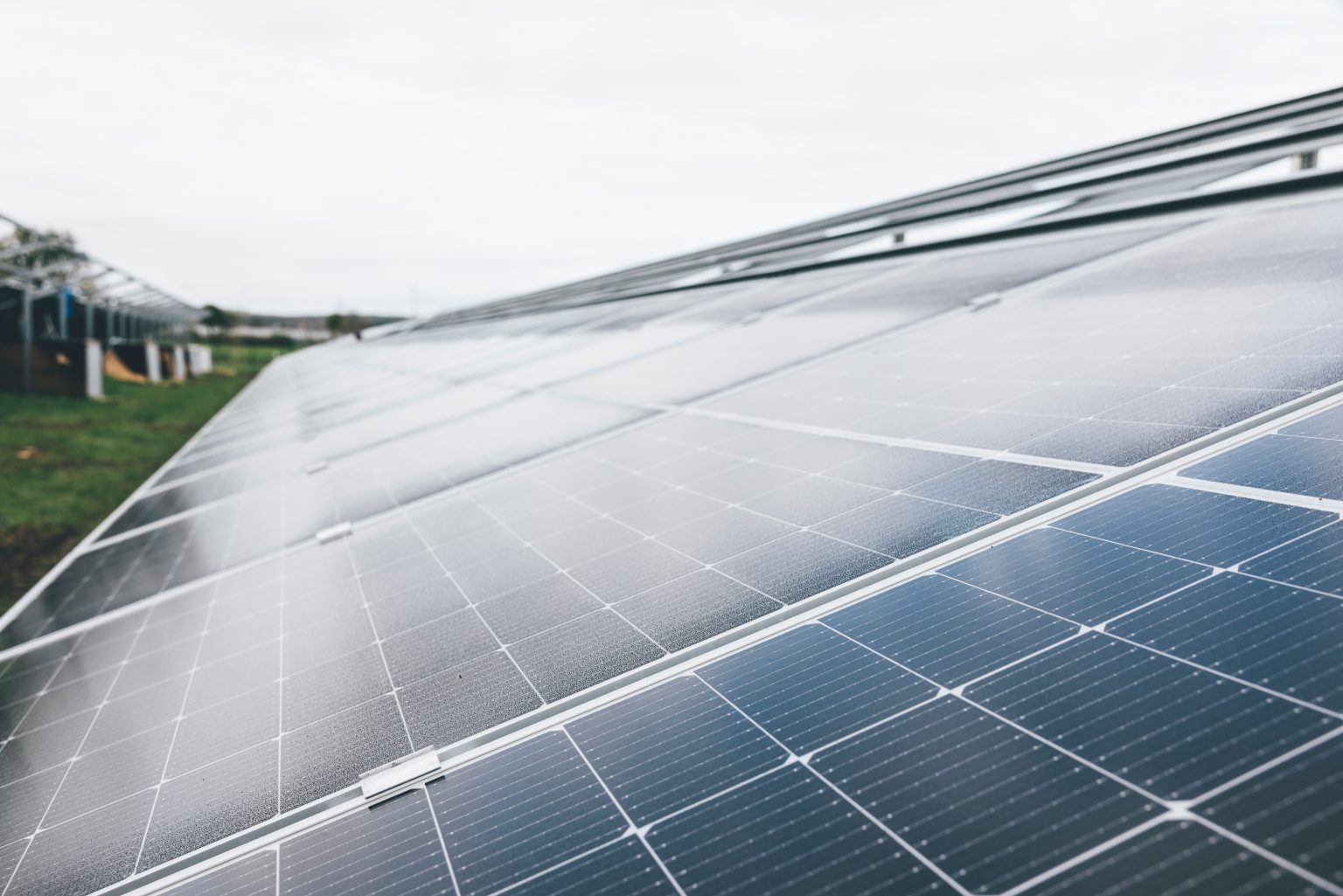 1. Understand Your Household's Energy Requirements
Before choosing a solar system, review your electricity bills to understand how much energy your household consumes. Check your average daily electricity usage and identify when you use the most power.
For example, households that run air conditioning, electric heating, pool pumps or multiple appliances may require a larger system than smaller households. You should also consider future energy needs, such as purchasing an electric vehicle or installing an electric hot water system.
A properly sized system should match your consumption patterns, available roof space and budget. Avoid choosing a system based only on the number of panels or its advertised capacity.
2. Check Your Roof Direction, Space and Shading
Your roof plays an important role in solar energy generation. Before installation, check its available space, direction, angle and exposure to sunlight.
In Melbourne, north-facing panels generally offer strong annual energy production. However, east- and west-facing panels can also be useful because they may generate more electricity during morning and afternoon hours.
Trees, neighbouring buildings, chimneys and other structures can create shade and affect system performance. A professional roof assessment can help determine the most suitable panel layout.
If you are considering solar panels Craigieburn properties, the same principles apply. Every home has different roof conditions, so a customised design is more useful than choosing a standard package.
3. Compare Solar Panel Quality and Efficiency
Not all solar panels offer the same performance, durability or warranty coverage. Look beyond the advertised wattage and compare the manufacturer's reputation, product specifications and long-term reliability.
Consider these factors when comparing panels:
-
Efficiency: Higher-efficiency panels can generate more electricity from limited roof space.
-
Temperature performance: Panel output can decrease as temperatures rise, so check the temperature coefficient.
-
Durability: Choose products designed to withstand normal outdoor conditions.
-
Product warranty: Understand what protection is provided against manufacturing defects.
-
Performance warranty: Check the manufacturer's stated power output over time.
It is also important to confirm that the solar panels and other system components meet applicable Australian requirements.
4. Choose the Right Inverter for Your Solar System
Solar panels produce DC electricity, which is converted into AC electricity by an inverter so it can power your home's electrical appliances. An inverter converts the electricity into a form your home can use.
When comparing inverters, consider their capacity, efficiency, warranty and monitoring features. The inverter should be appropriately matched to the panel system and designed around your property's requirements.
You may also want to consider whether the inverter can support future battery storage. If you plan to add a solar battery later, discuss compatible options with your installer before making a purchase.
5. Check Installer Accreditation and Experience
Choosing the right installer is just as important as selecting quality solar panels. A poorly designed or incorrectly installed system can affect safety, performance and long-term reliability.
When comparing providers, you may come across searches for CEC approved solar installers in Melbourne. It is important to understand the current accreditation process: solar installer accreditation transitioned from the Clean Energy Council (CEC) to Solar Accreditation Australia (SAA) in May 2024.
Homeowners searching for SAA certified installers in Melbourne should verify the installer's current SAA accreditation and relevant electrical licence. Also, check customer reviews, previous installation experience and the company's after-sales support.
For residential solar installation in Melbourne, request a detailed site assessment and written quotation before making a decision.
6. Compare Installation Costs and Complete Quotes
The cheapest solar package is not always the best value. Compare multiple quotations and make sure each one includes similar system sizes, panel brands, inverter specifications and installation services.
Your quotation should clearly explain:
-
Total system capacity and number of panels
-
Panel and inverter brands and models
-
Estimated annual electricity generation
-
Installation and any additional electrical work
-
Applicable rebates or incentives
-
Product and performance warranties
-
Monitoring, maintenance and after-sales support
Getting at least three comparable quotes can help you understand the market and identify differences in product quality and service.
7. Understand Warranties and Future Maintenance
Solar panels are a long-term investment, so warranty coverage and ongoing support matter. Review the product and performance warranties for your panels, as well as the inverter warranty.
Ask who will handle warranty claims if a component develops a fault. You should also understand what maintenance may be required, including occasional cleaning when necessary and professional inspections if performance drops.
A monitoring system can help you track electricity generation and identify unusual changes in output.
8. Choose a Solar Solution That Supports Your Future Needs
Your energy requirements may change over time. A growing family, additional appliances, electric vehicles or changes to your heating and cooling systems can increase electricity consumption.
Consider whether your chosen system allows room for future upgrades, such as battery storage or additional compatible equipment. A well-planned system should meet your current needs while taking possible future requirements into account.
Volts Electrics provides solar and electrical solutions for Australian homes and businesses, with a focus on reliable technology, quality installations and helping customers make informed energy decisions.
Frequently Asked Questions
1. Are solar panels worth installing in Melbourne?
Solar panels can be worthwhile for Melbourne homeowners who want to generate their own electricity and reduce grid consumption. The financial benefits depend on system cost, household usage, sunlight exposure, electricity tariffs and how much solar energy you use.
2. How do I choose the right solar panel system for my home?
Start by reviewing your electricity bills, daily energy consumption, roof space and budget. Compare panel efficiency, inverter quality, warranties and installation services before selecting a system.
3. How many solar panels does an average Melbourne home need?
The number depends on household electricity usage, panel wattage, available roof space and the system's total capacity. A professional assessment can help determine the appropriate system size for your property.
4. What qualifications should I check before hiring a solar installer?
Check that the installer holds current Solar Accreditation Australia (SAA) accreditation and the required electrical licence. You should also review their experience, customer feedback and after-sales support.
5. Can I add a solar battery to my existing solar system?
In many cases, yes. However, compatibility depends on your existing inverter, system configuration and battery requirements. Ask a qualified installer to assess your current setup before choosing a battery.
