Importance of Continuous Learning in the Modern Concrete Industry
Author : Victor Lang | Published On : 01 May 2026
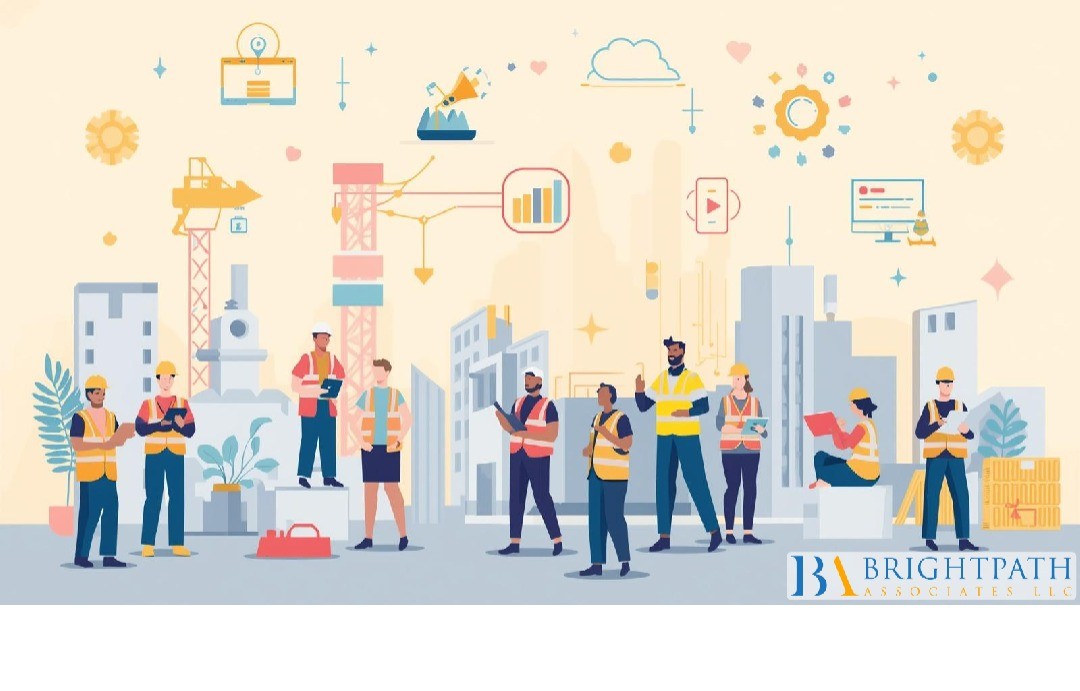
The modern concrete industry is evolving at an unprecedented pace, driven by technological advancements, sustainability demands, and increasing global competition. What was once a traditionally labor-intensive and process-driven sector is now becoming a knowledge-intensive industry where innovation, adaptability, and expertise define success. In this rapidly shifting landscape, continuous learning is no longer optional—it has become a strategic necessity. The question for today’s leaders is not whether to invest in learning, but whether their workforce is evolving fast enough to keep up with the industry’s transformation.
Concrete remains one of the most critical materials in global infrastructure, forming the backbone of construction, urban development, and industrial growth. However, as the industry integrates advanced technologies such as automation, AI-driven analytics, and sustainable material innovations, the skills required to operate effectively are also changing. According to industry insights, staying ahead now requires professionals to continuously upgrade their knowledge in areas like digital tools, environmental compliance, and advanced production techniques . Organizations that fail to prioritize learning risk falling behind in efficiency, innovation, and overall competitiveness.
One of the primary drivers of continuous learning in the concrete industry is technological transformation. From smart manufacturing systems to automated production lines and predictive maintenance tools, technology is reshaping how concrete is produced, tested, and delivered. These advancements improve efficiency and safety, but they also demand a workforce that can understand and leverage these tools effectively. Companies that invest in upskilling their teams are better equipped to adopt new technologies, streamline operations, and reduce costly errors. Without proper training, even the most advanced systems can become underutilized assets rather than drivers of growth.
Sustainability is another key factor accelerating the need for continuous learning. With increasing pressure to reduce carbon emissions and adopt eco-friendly practices, the concrete industry is undergoing a significant shift toward sustainable production methods. This includes the use of alternative materials, energy-efficient processes, and digital monitoring systems to minimize environmental impact. As highlighted in industry research, sustainability is no longer just a compliance requirement—it has become a strategic priority shaping the future of cement, concrete, and construction materials . To successfully implement these changes, organizations must ensure their workforce is well-versed in sustainable practices and regulatory standards.
Beyond technology and sustainability, continuous learning plays a critical role in improving safety and operational efficiency. The concrete industry is inherently complex and often hazardous, making safety a top priority. Companies that invest in regular training programs, workshops, and skill development initiatives create a culture of awareness and accountability. For example, organizations that integrate advanced technologies with continuous training have demonstrated significant improvements in safety performance and operational efficiency . This not only protects employees but also enhances productivity and reduces costs associated with accidents and downtime.
Another significant benefit of continuous learning is its impact on talent retention and workforce development. In an industry facing a growing skills gap, attracting and retaining skilled professionals has become increasingly challenging. Employees today seek opportunities for growth, development, and career progression. Companies that prioritize learning and development create an environment where employees feel valued and motivated to contribute. This not only reduces turnover but also builds a strong internal talent pipeline capable of taking on leadership roles in the future. In fact, organizations that focus on structured training programs often fill a significant portion of leadership positions internally, reducing dependency on external hiring .
However, implementing continuous learning initiatives is not without its challenges. Many organizations struggle with limited resources, lack of structured training programs, and resistance to change. Smaller companies, in particular, may find it difficult to allocate time and budget for employee development while managing day-to-day operations. Additionally, aligning training programs with business objectives requires careful planning and strategic execution. Without a clear roadmap, learning initiatives may fail to deliver measurable results.
This is where leadership plays a crucial role. Effective leaders understand that continuous learning is not just an HR initiative but a business strategy. They foster a culture that encourages curiosity, innovation, and knowledge sharing across all levels of the organization. Leaders who prioritize learning are better equipped to navigate industry challenges, drive transformation, and position their organizations for long-term success. Moreover, the integration of executive search recruitment into workforce planning ensures that companies bring in leaders who can champion learning and innovation effectively.
To build a culture of continuous learning, organizations must adopt a structured and proactive approach. This includes investing in targeted training programs, leveraging digital learning platforms, and encouraging cross-functional collaboration. Companies should also focus on aligning learning initiatives with strategic goals, ensuring that every training effort contributes to measurable business outcomes. By integrating learning into daily operations, organizations can create a dynamic environment where employees continuously develop new skills and adapt to changing industry demands.
For a deeper understanding of how the industry is evolving and the opportunities within this sector, explore this detailed resource on the Glass, Ceramics & Concrete Industry. Additionally, you can dive into the original insights on this topic here: Continuous Learning in the Modern Concrete Industry.
The importance of continuous learning extends beyond operational improvements—it directly impacts innovation and competitive advantage. Companies that prioritize learning are more likely to experiment with new ideas, adopt emerging technologies, and develop innovative solutions that set them apart in the market. In contrast, organizations that resist change often struggle to keep up with evolving industry standards and customer expectations.
As the concrete industry continues to evolve, the need for a skilled, adaptable, and forward-thinking workforce will only grow. Continuous learning is the foundation that enables organizations to navigate this transformation successfully. It empowers employees, strengthens leadership, and drives sustainable growth in an increasingly complex and competitive environment.
So, here’s a question worth considering: Is your organization building a workforce prepared for the future, or relying on outdated skills in a rapidly changing industry?
At BrightPath Associates LLC, we specialize in helping small to mid-sized enterprises in the Glass, Concrete, and Ceramic industry connect with forward-thinking leaders and skilled professionals who can drive innovation, learning, and long-term success. If you’re looking to build a future-ready team that thrives on continuous improvement, now is the time to act. Let’s start the conversation.
