Implementing Skills-Based Hiring to Solve Textile Labor Shortages
Author : Ayesha Diaz | Published On : 02 Oct 2026
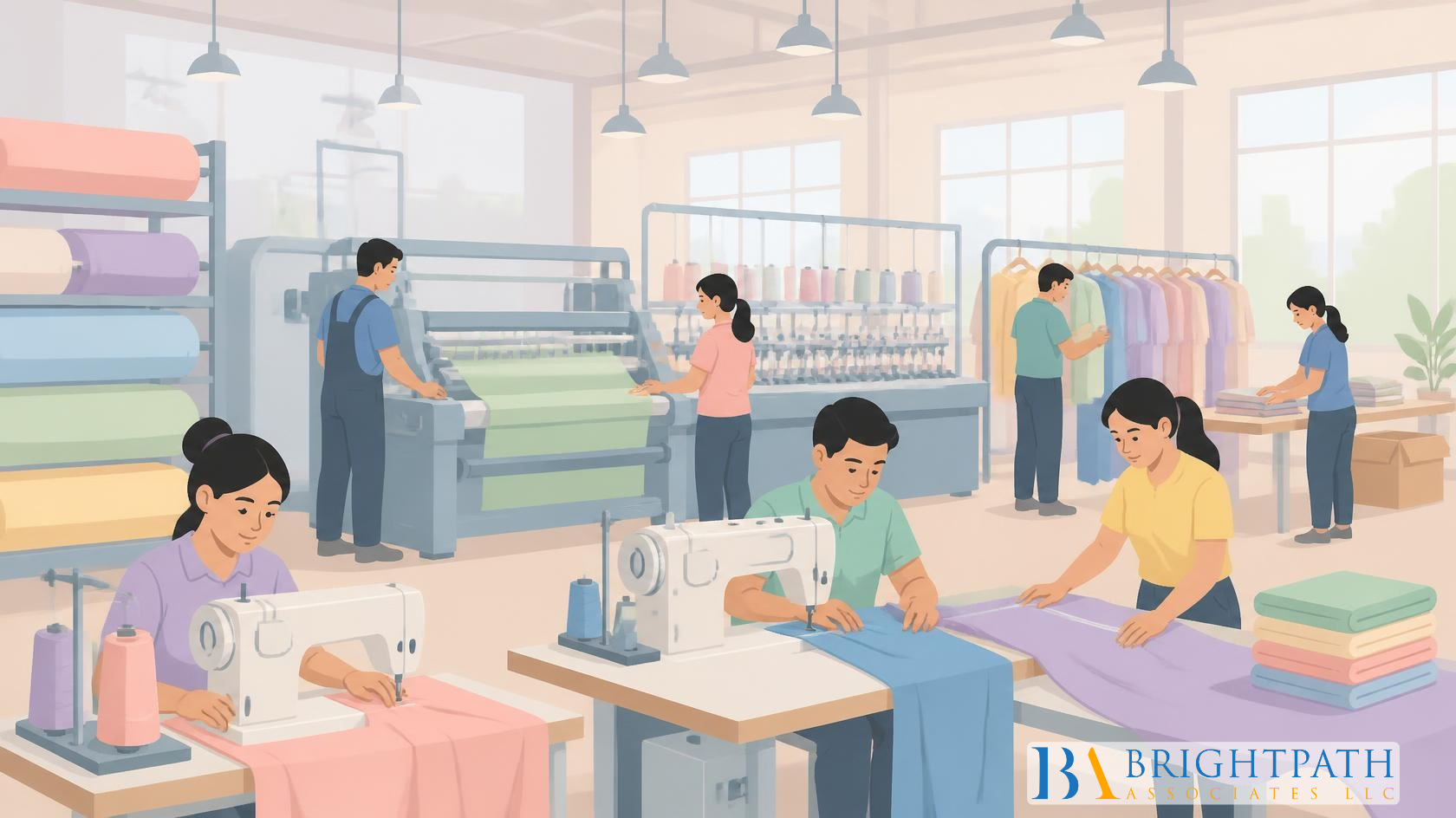
The U.S. textile industry is entering a period in which finding the right talent may become just as important as investing in the right machinery. Textile manufacturers are dealing with changing customer expectations, advanced production technologies, supply-chain pressures, automation, and an evolving workforce. At the same time, many companies are discovering that traditional hiring approaches do not always provide access to the capabilities they actually need.
Rather than defining candidates primarily by degrees, previous job titles, or years of experience, skills-based hiring focuses on what a candidate can actually do. For textile manufacturers, this approach can open access to professionals and technical workers who possess valuable capabilities but may not follow conventional career paths.
The Textile Labor Challenge Is Changing
Textile manufacturing has historically depended on workers with specialized knowledge developed through hands-on experience. Sewing, weaving, knitting, dyeing, finishing, quality control, maintenance, production planning, and machinery operation all require practical expertise.
Modern textile facilities increasingly incorporate automation, computerized machinery, robotics, digital monitoring, advanced materials, data analytics, and connected production systems. As a result, employers may need workers who combine traditional textile knowledge with capabilities in technology, troubleshooting, process optimization, and data-driven decision-making.
This creates a difficult hiring equation. A company may struggle to find a candidate who possesses every desired qualification listed in a conventional job description. Instead of asking whether an applicant matches every credential, employers can ask a different question: Does this person possess the core skills required to succeed in the role, and can additional capabilities be developed through training?
What Skills-Based Hiring Looks Like in Practice
For a textile production supervisor, these might include production scheduling, team leadership, quality management, equipment knowledge, problem-solving, and safety awareness. For a maintenance position, electrical troubleshooting, mechanical systems knowledge, automation exposure, and preventive maintenance capabilities may be more important than a particular academic credential.
This approach allows companies to distinguish between essential skills and qualifications that are simply traditional hiring preferences. The distinction matters because overly rigid job descriptions can unintentionally eliminate capable candidates before their practical abilities are considered.
A worker with experience maintaining industrial equipment in another manufacturing sector, for example, may possess transferable troubleshooting and maintenance skills that could be highly valuable in a textile facility.
Transferable Skills Can Expand the Talent Pool
One of the strongest advantages of skills-based hiring is its ability to identify transferable capabilities. Textile manufacturers do not necessarily need to recruit every employee from the textile industry. Professionals from automotive manufacturing, plastics, packaging, food processing, industrial equipment, and other production environments may possess relevant skills.
A maintenance technician accustomed to diagnosing automated equipment may be able to adapt to textile machinery. A production manager experienced in lean manufacturing may bring valuable process-improvement capabilities. A data analyst from another manufacturing environment may understand the principles required to analyze production performance.
The critical question is whether the underlying competencies transfer. This broader perspective can be particularly valuable for small and mid-sized textile businesses competing for talent against larger employers.
Leadership Must Drive the Change
Implementing skills-based hiring is not simply an HR initiative. Senior executives, operations leaders, plant managers, and department heads need to participate in defining what capabilities the business will require in the coming years.
This forward-looking perspective is especially important as textile companies invest in automation, sustainability, digital systems, advanced materials, and more sophisticated manufacturing processes. BrightPath Associates supports organizations across the textile industry by helping companies identify leadership and specialized talent aligned with evolving industry requirements.
From Degree-Based Hiring to Capability-Based Hiring
Skills-based hiring does not mean eliminating education or experience requirements. Degrees, certifications, industry knowledge, and professional experience can remain valuable indicators. The difference is that they become part of a broader evaluation rather than the sole basis for determining candidate suitability.
A candidate's ability to solve problems, operate equipment, lead teams, improve processes, analyze information, or adapt to new technologies may ultimately tell an employer more about future performance than a checklist of credentials.
For textile companies facing persistent labor challenges, this shift could significantly expand the available talent pool. BrightPath Associates examines this broader workforce challenge in Implementing Skills-Based Hiring to Solve Textile Labor Shortages. exploring how organizations can rethink conventional recruitment practices as the industry's workforce requirements evolve.
The Future of Textile Hiring May Be More Flexible
Companies that continue searching for candidates who perfectly match traditional job descriptions may find themselves competing for an increasingly narrow pool of talent. Organizations that identify core capabilities, recognize transferable skills, and invest in workforce development may have more opportunities to build teams capable of adapting to technological and market changes.
For small and mid-sized textile companies in particular, this can become an important competitive consideration. They may not always be able to compete with larger manufacturers on compensation or hiring volume, but they can differentiate themselves through clearer career pathways, skills development, meaningful responsibilities, and opportunities to work with emerging technologies.
The future workforce may not be defined primarily by where employees previously worked or what credentials they hold. It may be defined by what they can accomplish, how quickly they can learn, and how effectively they can adapt.
