Impact of Technology on Manufacturing Sector
Author : Jimmy Patel | Published On : 29 May 2026
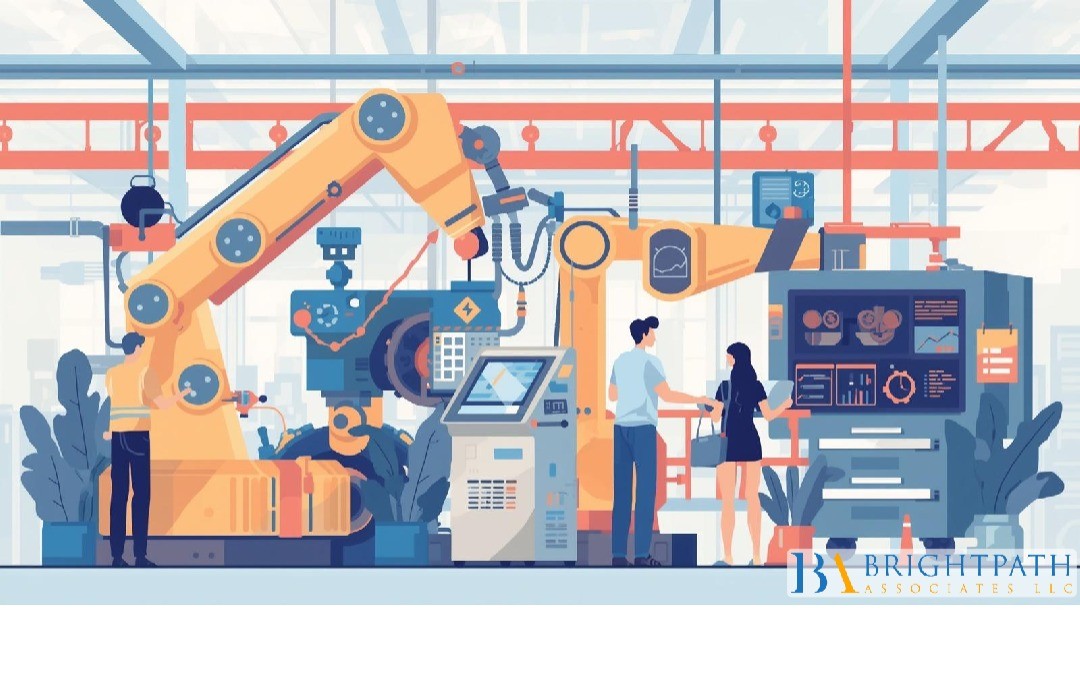
For small to mid-sized enterprises (SMEs) operating within the American manufacturing sector, the pace of technological change is both an unprecedented opportunity and a daunting operational hurdle. We have officially moved past the era where digital adoption was considered a luxury for tier-one automotive giants or multinational aerospace conglomerates. Today, mid-market manufacturers find themselves in a high-stakes environment where survival dictates a transition toward intelligent, data-driven factory floors.
Yet, when you speak with a Chief Executive Officer (CEO) or an entrepreneurial proprietor overseeing a mid-sized production plant, a common frustration emerges. The market is saturated with promises of what artificial intelligence, the Industrial Internet of Things (IIoT), and advanced robotics can achieve. But translating an expensive capital expenditure into measurable, long-term return on investment (ROI) remains remarkably difficult.
The missing link in the modern smart factory is almost never the software or the hardware itself. Rather, it is human capital alignment. Introducing advanced operational technology without simultaneously securing the elite engineering and leadership talent required to program, optimize, and maintain those systems is a fast track to underutilized assets and stagnant production lines.
Mid-Market Bottleneck: System Integration vs. Legacy Talent
Large manufacturing operations can afford to absorb the multi-year learning curves and extended project delays that frequently accompany massive digital overhauls. For a mid-market enterprise, however, an unoptimized system integration or an unexpected software conflict on the assembly line can immediately squeeze margins and disrupt critical client delivery schedules.
The friction points that mid-sized manufacturers face when integrating modern technology typically cluster around three core areas:
-
The Programmable Logic Controller (PLC) Disconnect: Upgrading production machinery requires highly sophisticated, custom PLC programming services to ensure legacy equipment communicates flawlessly with new digital inputs.
-
Data Silos and SCADA Blind Spots: While modern sensors capture millions of data points, many mid-market plants lack the specialized systems engineers needed to architect cohesive Supervisory Control and Data Acquisition (SCADA) platforms, leaving critical operational insights trapped in unreadable silos.
-
Quality Control Bottlenecks: Implementing industrial machine vision systems promises to eliminate manual inspection errors, yet optimizing these cameras requires specific computer vision expertise that standard plant mechanics simply do not possess.
When human resources directors or talent acquisition strategists try to solve these technical gaps using generic recruitment channels, they are often met with a severe shortage of qualified applicants. To explore how specialized industry networks can bridge this critical talent deficit, take a look at our specialized overview of the industrial automation industry.
True Cost of Technical Talent Misalignment
In an effort to hit immediate production goals or keep up with industry trends, it can be tempting to rush an executive or engineering hire to manage a newly automated facility. However, within specialized technological environments, an incompatible hiring decision can have devastating financial consequences.
Beyond standard recruitment costs, the financial impact of a mismatched operational or engineering leader includes:
-
Prolonged System Downtime: Inability to efficiently troubleshoot complex, integrated software or PLC faults, leading to catastrophic stalls on the assembly line.
-
Escalated Integration Costs: Heavy reliance on expensive external third-party consultants to fix basic configuration or deployment errors that an internal team should have handled.
-
Erosion of Plant Morale: Frustration among frontline technicians and operators when new technology behaves unpredictably due to disjointed engineering leadership.
By prioritizing precise technical and cultural alignment over pure hiring speed, mid-market manufacturers protect their capital expenditures. A specialized search process ensures that your incoming leadership team possesses the exact competencies required to manage and scale your technology investments from their very first shift.
Driving the Future of Industrial Efficiency
Maximizing the value of modern manufacturing technology requires moving past a purely transactional view of human resources. It demands a deliberate strategy that treats executive recruitment and technical staffing as a direct extension of your capital investment roadmap. For a comprehensive analysis of the latest technological trends, the evolution of smart factories, and the precise steps required to align your workforce capabilities with digital transformation, read our detailed guide on the impact of technology on the manufacturing sector.
Ultimately, the small to mid-sized manufacturers that will lead their respective markets over the next decade are those that recognize a simple truth: machines provide the capacity for precision, but elite human talent drives the strategy behind profitability. Investing in targeted, industry-focused executive search allows mid-market companies to secure the visionary leadership needed to turn technological potential into operational reality.
