Impact of Digital Health on Medical Devices
Author : Peter Thompson | Published On : 01 Jun 2026
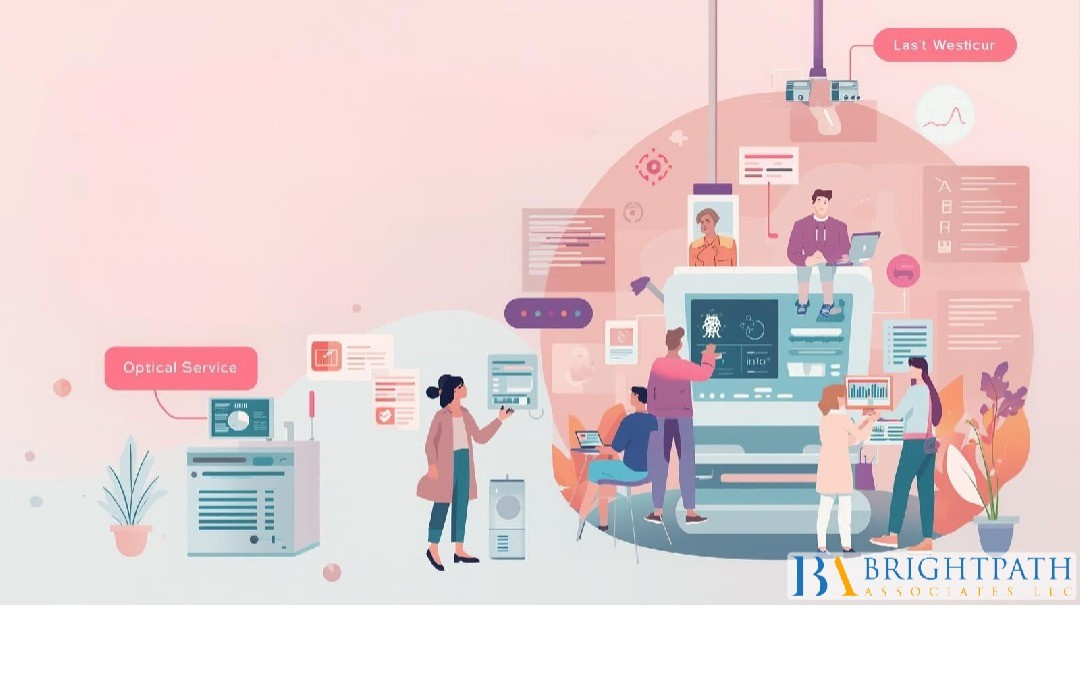
The medical device industry is experiencing one of the most significant transformations in its history. Driven by the rapid advancement of digital health technologies, traditional medical devices are evolving into intelligent, connected, and data-driven solutions that are reshaping patient care, healthcare delivery, and business strategy. From wearable health monitors and remote patient monitoring systems to AI-powered diagnostics and connected medical ecosystems, digital health is no longer a future concept—it has become a central force influencing how medical device companies innovate, compete, and grow.
The growing integration of digital health technologies is creating new opportunities for manufacturers while simultaneously introducing challenges involving cybersecurity, regulatory compliance, workforce readiness, and data management. As healthcare systems continue shifting toward patient-centered and technology-enabled care models, organizations throughout the medical device sector must adapt quickly to remain competitive in an increasingly digital marketplace.
One of the most visible impacts of digital health has been the rise of connected medical devices. Wearable technologies, smart sensors, remote monitoring platforms, and Internet of Medical Things (IoMT) solutions are enabling healthcare providers to collect real-time patient data outside traditional clinical settings. These technologies are improving disease management, enhancing patient engagement, and allowing earlier intervention when health concerns emerge. Industry research suggests that digital health technologies are helping make healthcare more efficient, accessible, and personalized by leveraging connected devices and advanced data analytics.
Remote patient monitoring has become particularly important as healthcare organizations seek more efficient ways to manage chronic conditions and reduce hospital readmissions. Medical devices equipped with digital connectivity can continuously monitor vital signs, medication adherence, glucose levels, cardiac activity, and other critical health indicators. This allows healthcare providers to identify potential risks before they become serious medical events. The result is a more proactive approach to healthcare that benefits both patients and providers while supporting better long-term outcomes. According to industry analyses, remote monitoring and digital health solutions continue to be major drivers of medical device innovation and adoption.
Artificial intelligence is also playing a growing role in the evolution of medical devices. AI-powered systems are improving diagnostic accuracy, enhancing predictive analytics, and enabling more personalized treatment recommendations. Modern medical devices increasingly utilize machine learning algorithms to analyze large volumes of patient data and identify patterns that may be difficult for human clinicians to detect independently. From imaging technologies and surgical navigation systems to wearable diagnostics and intelligent monitoring platforms, AI is helping redefine what medical devices can accomplish. Industry experts increasingly view artificial intelligence as one of the most transformative technologies shaping the future of medical device development.
However, the growth of digital health extends beyond technological innovation alone. It is also transforming business models within the medical device industry. Historically, manufacturers focused primarily on producing and selling physical products. Today, many organizations are evolving toward service-oriented models that combine devices, software platforms, cloud-based analytics, and ongoing patient support. This shift allows companies to create recurring revenue streams while delivering more comprehensive healthcare solutions. As digital ecosystems become more sophisticated, the distinction between medical devices, software, and healthcare services continues to blur.
The rise of digital therapeutics is another development gaining attention across the healthcare sector. Software-based treatments and digital interventions are increasingly being used alongside traditional medical devices to improve patient outcomes. While reimbursement models and regulatory frameworks continue evolving, digital therapeutics represent a growing area of opportunity for organizations seeking to expand their product portfolios and deliver more integrated healthcare solutions. Industry observers note that regulatory advancements and growing clinical validation are accelerating interest in these technologies.
Despite the opportunities created by digital health, significant challenges remain. Cybersecurity has become one of the most critical concerns facing medical device manufacturers. As devices become increasingly connected, they also become more vulnerable to cyber threats, data breaches, and unauthorized system access. Healthcare organizations and regulators are placing greater emphasis on protecting sensitive patient information and ensuring that connected devices meet stringent security standards. Companies that fail to prioritize cybersecurity risk not only regulatory consequences but also damage to patient trust and brand reputation. Researchers continue to emphasize the importance of ethical design, security frameworks, and responsible innovation as digital medical technologies become more widespread.
Regulatory complexity represents another major challenge. Digital health technologies often evolve faster than regulatory frameworks designed to oversee them. Medical device companies must navigate changing requirements involving software validation, artificial intelligence oversight, data privacy, interoperability, and clinical evidence generation. Recent discussions surrounding AI-enabled medical devices have highlighted the need for stronger regulatory oversight and more comprehensive validation processes as innovation accelerates. Organizations that proactively integrate compliance and risk management into their development strategies are likely to gain stronger competitive advantages in the years ahead.
Workforce transformation is also becoming a defining issue within the medical device sector. As digital health capabilities expand, organizations require professionals with expertise in software engineering, artificial intelligence, cybersecurity, cloud infrastructure, regulatory affairs, data analytics, and digital product management. Traditional medical device talent models are evolving as companies seek leaders capable of managing both healthcare innovation and advanced technology integration. The demand for specialized talent is creating new workforce challenges for small and mid-sized organizations that must compete aggressively for highly skilled professionals.
For organizations seeking deeper insights into workforce planning, leadership recruitment, and emerging trends within the medical device sector, BrightPath Associates LLC provides specialized expertise dedicated to the Medical Device Manufacturing Industry.
Another significant trend is the growing emphasis on personalized healthcare. Digital health technologies allow medical devices to generate patient-specific insights, enabling more customized treatment approaches and improved clinical decision-making. The combination of connected devices, advanced analytics, and real-time monitoring is helping healthcare providers move beyond reactive care models toward more predictive and preventative healthcare strategies. As precision medicine continues advancing, personalized digital health solutions are expected to become an increasingly important component of future medical device innovation.
Looking ahead, the convergence of digital health and medical devices is expected to accelerate even further. Advances in artificial intelligence, cloud computing, wearable technologies, digital therapeutics, remote diagnostics, and predictive analytics will continue reshaping healthcare delivery models. Organizations that successfully integrate technological innovation with regulatory readiness, cybersecurity resilience, and workforce development will be best positioned to capitalize on emerging opportunities.
The future of medical devices will not be defined solely by hardware innovation. Instead, success will increasingly depend on how effectively organizations combine technology, data, software, and patient-centric care strategies into cohesive digital health ecosystems. Companies that embrace this transformation today may become the industry leaders of tomorrow.
For additional insights into how digital health is reshaping the medical device industry, explore BrightPath Associates LLC's original analysis here: Impact of Digital Health on Medical Devices. As digital health continues transforming healthcare delivery, an important question remains: Is your organization prepared for the next generation of medical device innovation?
What do you believe will have the greatest impact on the future of medical devices—artificial intelligence, remote patient monitoring, digital therapeutics, or connected healthcare ecosystems? How is your organization adapting to the growing demand for digital health capabilities?
At BrightPath Associates LLC, we regularly engage with medical device leaders navigating innovation, workforce development, and growth challenges. We welcome your perspectives on the trends, opportunities, and talent strategies shaping the future of the medical device industry.
