Illuminate Your Workspace: Discover the Secrets to Perfect Office Lighting!
Author : Valerie Brown | Published On : 12 Apr 2026
Illuminate Your Workspace: Discover the Secrets to Perfect Office Lighting!
Office lighting plays a crucial role in shaping our work environment, influencing not just the aesthetics but also our productivity and well-being. Inadequate or poorly arranged lighting can lead to fatigue, decreased focus, and even health issues. Conversely, the right lighting can enhance mood, boost productivity, and create a welcoming atmosphere. This article aims to explore the different types of office lighting options available and their respective benefits, helping you make informed choices for your workspace.
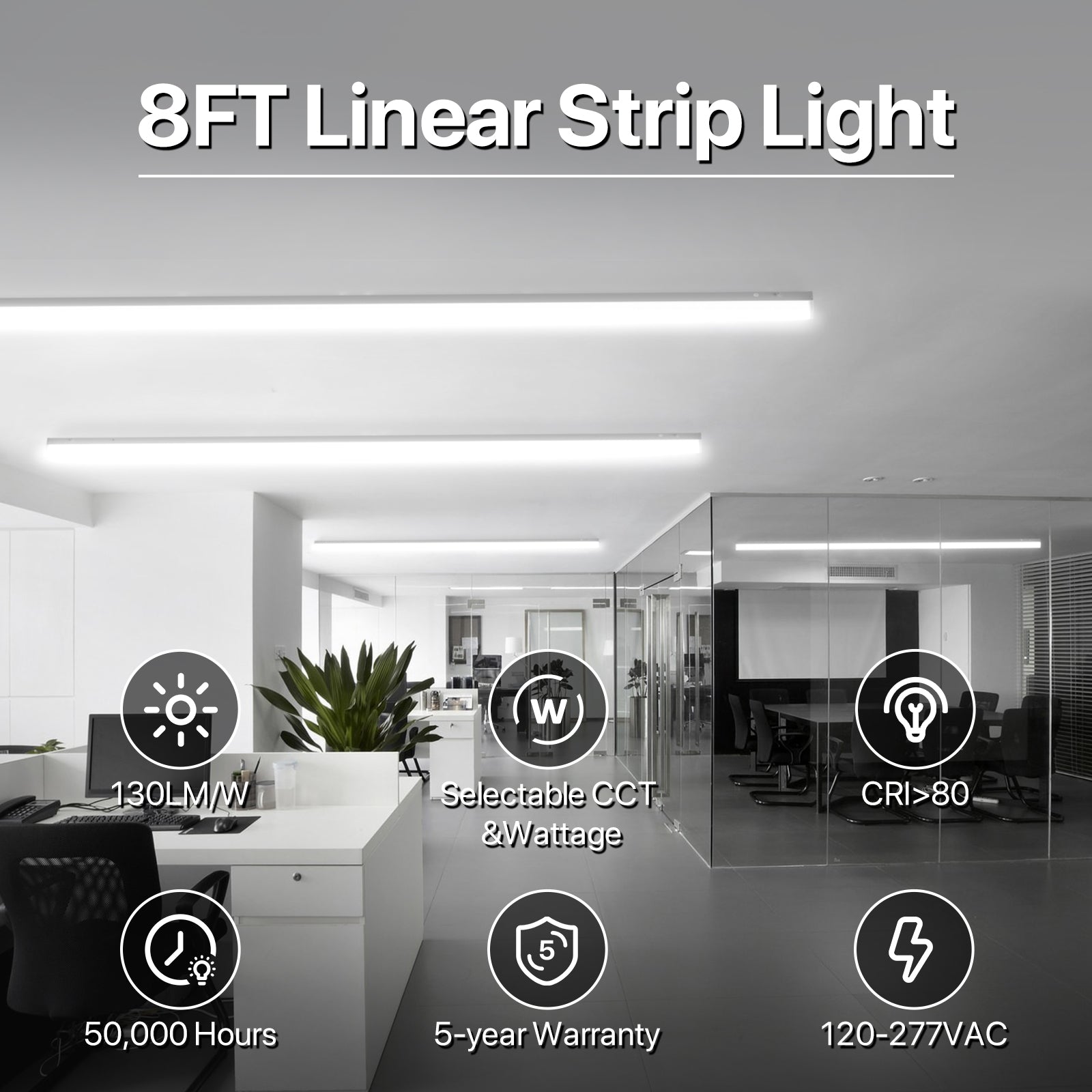
Understanding Office Lighting Basics
Office lighting encompasses all the lighting solutions used in a work environment, aimed primarily at enhancing visibility and comfort. It's essential to understand the three key concepts of office lighting: ambient, task, and accent lighting. Ambient lighting serves as the primary light source, providing a base level of illumination throughout the space. Task lighting, on the other hand, is designed for specific activities, such as reading or writing and is usually more focused. Lastly, accent lighting is used to highlight specific areas or features, adding visual interest and helping to create an inviting environment. Together, these lighting types work harmoniously to create an efficient workspace that caters to various needs.
Types of Office Lighting
When it comes to office lighting, there are several options to consider, each serving its unique purpose. Let's delve deeper into the three main types.
1. Ambient Lighting
Ambient lighting is the foundation of any office's lighting scheme. This type of lighting usually comes from overhead sources like ceiling-mounted fixtures, fluorescent lights, or even natural daylight streaming through windows. The primary role of ambient lighting is to provide uniform illumination across the entire workspace, ensuring that all areas are well-lit and reducing shadows that can cause eye strain. Natural light is particularly beneficial, as it not only enhances mood but also helps regulate our circadian rhythms, leading to a more refreshed and productive workday.
2. Task Lighting
Task lighting is essential for activities that require focused illumination, such as reading, writing, or working on a computer. Good task lighting should be adjustable and positioned to minimize glare and shadows. Desk lamps are a popular option for providing task lighting, as they can be easily moved and directed. My friend, who has a home office, swears by her adjustable desk lamp, which she positions directly over her work area. She finds that it significantly reduces eye strain during long hours of reading and writing, allowing her to maintain her focus and productivity.
3. Accent Lighting
Accent lighting serves to highlight particular areas or features within the office, adding depth and character to the space. This might include wall-mounted fixtures that illuminate artwork, decorative plants, or architectural details. While its primary function is aesthetic, accent lighting can also aid in creating distinct zones within an open office layout, helping to guide the flow of movement and attention. Using accent lighting effectively can elevate the workspace, making it feel more personalized and inviting.
The Benefits of Proper Office Lighting
Investing in the right office lighting scheme can yield numerous advantages. Firstly, appropriate lighting boosts productivity by ensuring that employees can see clearly without straining their eyes. Studies have shown that well-lit workspaces can lead to fewer mistakes and enhanced performance. Secondly, proper lighting can reduce eye strain, a common complaint in office environments, particularly those with inadequate fluorescent lighting. By incorporating natural light and adjustable task lighting, employees can create a more comfortable visual environment. Lastly, good lighting can improve mood and energy levels. A well-lit office can foster a positive atmosphere, encouraging creativity and collaboration among team members. I remember a time when my colleague's office was redesigned to incorporate more natural light and varied lighting options; the change was palpable, with noticeable improvements in team morale.
Tips for Achieving Perfect Office Lighting
To achieve optimal office lighting, consider the following practical tips. First, pay attention to light color temperature; warmer tones (2700K-3000K) create a cozy atmosphere, while cooler tones (4000K-5000K) promote alertness. Layering different lighting sources—combining ambient, task, and accent lighting—can also enhance the overall illumination and create a dynamic environment. Finally, think about your workspace layout; positioning desks near windows can maximize natural light, while adjustable task lamps should be used to cater to individual preferences and needs. Taking these factors into account will help you create a well-lit office that supports productivity and comfort.
Maximizing Your Office Lighting for Success
In summary, selecting the right office lighting is a vital component of creating a productive and welcoming workspace. By understanding the different types of lighting—ambient, task, and accent—you can make informed decisions that enhance not only the functionality of your office but also the well-being of those who work within it. I encourage you to assess your current lighting situation and consider making adjustments that can lead to a brighter, more efficient, and enjoyable work environment.
