Illuminate Your Productivity: Discover the Secrets to the Perfect Office Lighting!
Author : Anna Ledbetter | Published On : 09 Apr 2026
Illuminate Your Productivity: Discover the Secrets to the Perfect Office Lighting!
In the modern workspace, the significance of office lighting extends far beyond mere visibility. Proper lighting is crucial for enhancing productivity, improving employee well-being, and creating an inviting atmosphere. Research has shown that the right lighting can reduce eye strain and fatigue, allowing individuals to focus better on their tasks. With an abundance of lighting options available, this article aims to explore the various types of office lighting, their unique benefits, and provide guidance on how to select the most suitable lighting for your workspace. Whether you’re revamping a home office or optimizing a corporate environment, understanding the nuances of office lighting can make a meaningful difference in your daily work experience.
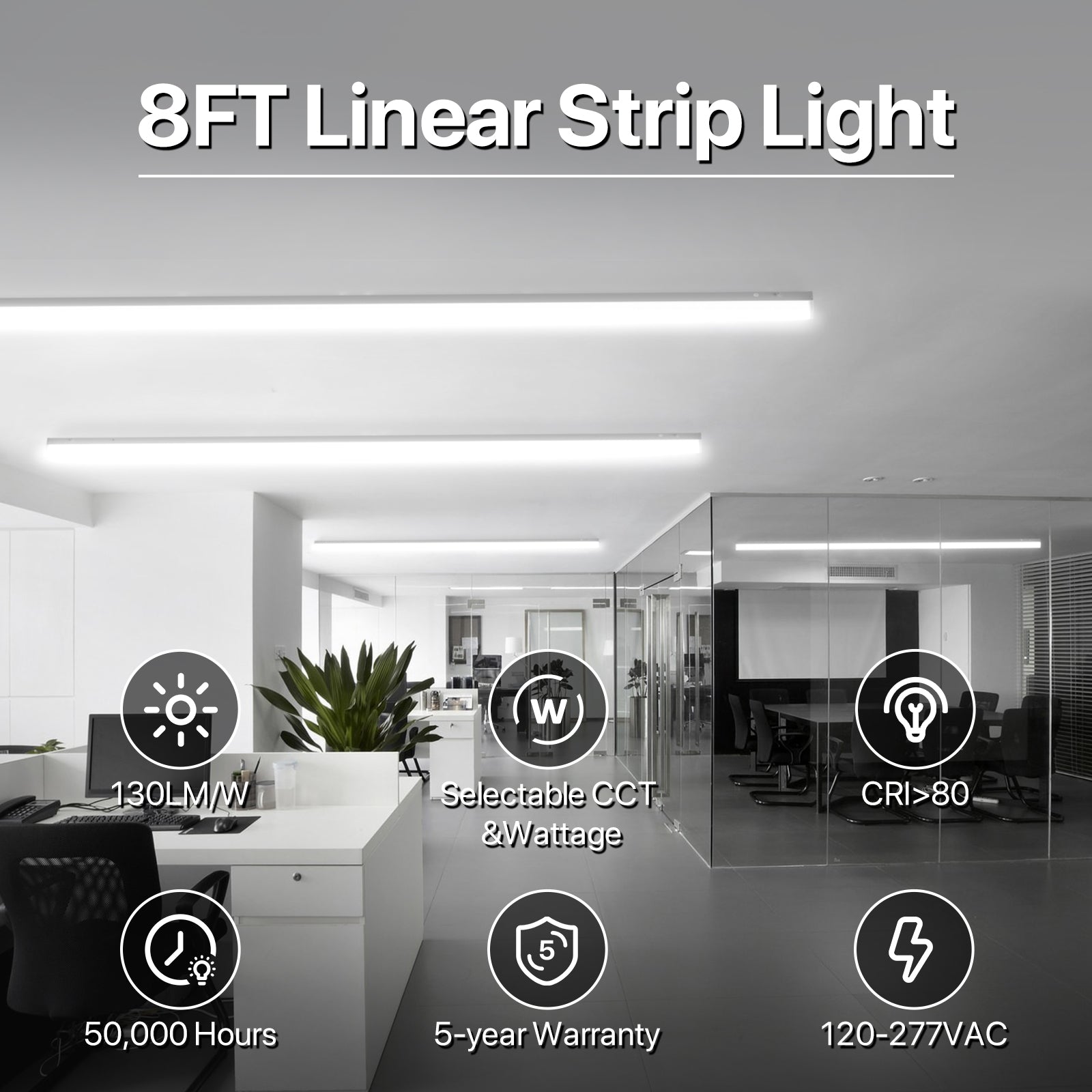
Understanding Office Lighting
Office lighting refers to the artificial and natural light sources used in a workspace to facilitate tasks and create a conducive working environment. The quality of lighting significantly impacts mood and productivity; studies have indicated that well-lit spaces can lead to higher levels of employee satisfaction and efficiency. Light quality encompasses several factors, including brightness, color temperature, and distribution. Brightness refers to the intensity of light, while color temperature impacts the hue of the light emitted, influencing the ambiance of the workspace. For instance, warmer light tends to create a cozy atmosphere, while cooler light can enhance alertness and focus. Additionally, the distribution of light—how it spreads throughout the space—affects visibility and comfort, making it essential to consider when designing a well-lit office.
Types of Office Lighting
When it comes to office lighting, there are three primary types to consider: ambient, task, and accent lighting. Each type serves a specific purpose and can be effectively utilized in different areas of the workspace to enhance functionality and aesthetics.
Ambient Lighting
Ambient lighting is the foundational source of light in an office, providing overall illumination. This type of lighting sets the tone for the workspace and ensures that all areas are adequately lit. Common options for ambient lighting include ceiling fixtures, such as LED panels or overhead lights, and natural light from windows. Natural light is particularly beneficial, as it helps regulate circadian rhythms and can boost mood and alertness. However, when natural light is limited, selecting the right ceiling fixtures that distribute light evenly can help create a balanced environment that minimizes shadows and glare.
Task Lighting
Task lighting is designed to illuminate specific work areas where focused activities occur. This type of lighting is crucial for reducing strain on the eyes during tasks such as reading, writing, or working on a computer. Desk lamps are a popular choice for task lighting, allowing users to adjust the light direction and intensity according to their needs. Adjustable lighting solutions, such as swing-arm lamps or LED desk lights, offer flexibility and can be tailored to individual preferences, ensuring that every task is performed under optimal lighting conditions.
Accent Lighting
Accent lighting is primarily used to enhance the aesthetic appeal of an office while providing functional light. This type of lighting helps highlight specific areas or features, such as artwork, plants, or architectural details. Options for accent lighting include wall sconces, track lighting, or decorative fixtures that can create visual interest in the workspace. By incorporating accent lighting, you can elevate the overall ambiance and create a more inspiring environment for creativity and collaboration.
Benefits of Proper Office Lighting
The advantages of appropriate office lighting extend beyond mere visibility; they play a vital role in enhancing productivity, improving mood, reducing fatigue, and fostering creativity. Adequate lighting can lead to increased productivity as employees are less likely to experience eye strain or discomfort, allowing them to focus on their tasks more effectively. Furthermore, well-lit environments can positively influence mood, making employees feel more energized and engaged. A bright, inviting workspace can also reduce fatigue, as employees are less likely to feel sleepy or lethargic when surrounded by suitable lighting. Additionally, good lighting can stimulate creativity by creating an inspiring atmosphere where ideas can flow freely, making it essential for workplaces that thrive on innovation.
Choosing the Right Office Lighting
Selecting the right lighting for your office involves considering various factors, including the type of work being performed, the layout of the workspace, and individual preferences. Start by assessing the tasks that will be conducted in the space—consider whether employees will need focused light for detailed work or softer light for collaborative discussions. The layout of the office is also crucial; open spaces may benefit from a combination of ambient and task lighting, while private offices might require more personalized lighting solutions. Personal preferences play a significant role as well; some individuals may prefer warmer light that creates a cozy atmosphere, while others may opt for cooler light that enhances alertness. Ultimately, finding a balance that caters to both functional and aesthetic needs will yield the best results.
Maximizing Workspace Effectiveness Through Lighting
In summary, the importance of office lighting cannot be overstated. Understanding the types of office lighting—ambient, task, and accent—along with their unique benefits is essential for creating a productive and inviting workspace. The right lighting can enhance mood, boost productivity, and foster creativity, making it a worthwhile investment for any office environment. As you assess your own workspace lighting, consider how improvements can be made to enhance both functionality and aesthetics. By prioritizing quality lighting, you can significantly improve your work experience and overall well-being.
