Hydrogen Electrolyzer Market Analysis: Technology, Demand, Competition, and Growth Outlook
Author : Meera Anand | Published On : 28 Aug 2026
Introduction
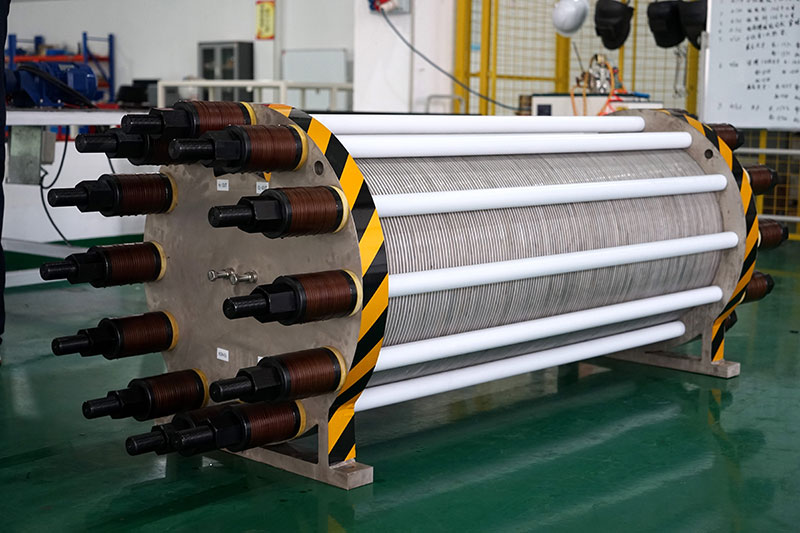
The hydrogen electrolyzer market is developing rapidly as industries, energy producers, and governments seek practical pathways to produce low-carbon hydrogen. Electrolyzers use electricity to split water into hydrogen and oxygen, making them a critical technology for green hydrogen production when powered by renewable or low-carbon electricity.
Market development is being shaped by the falling cost of renewable power, expansion of solar and wind capacity, decarbonization targets, industrial hydrogen demand, and increasing investment in clean-energy infrastructure. At the same time, high upfront costs, electricity requirements, infrastructure limitations, and uncertainty surrounding large-scale hydrogen demand continue to influence project economics.
The competitive landscape is also becoming more technology-diverse. Alkaline and proton exchange membrane (PEM) systems currently represent the most commercially established technologies, while solid oxide electrolyzer cells (SOEC) and anion exchange membrane (AEM) systems are progressing toward wider commercialization.
Technology-Based Market Analysis
Technology selection is one of the most important factors determining project economics and operating performance. Alkaline electrolyzers benefit from technological maturity, established manufacturing capabilities, and suitability for large-scale applications. They are particularly attractive for projects requiring relatively stable operating conditions.
PEM electrolyzers offer greater operational flexibility and can respond quickly to changes in electricity supply. This makes them well suited to renewable-energy systems where solar and wind generation fluctuates. Their ability to operate dynamically supports applications involving renewable power integration, grid balancing, and decentralized hydrogen production.
SOEC technology represents another important area of development. These systems operate at high temperatures and can potentially achieve high efficiency when suitable heat is available. This creates opportunities for integration with industrial facilities where waste heat can be utilized. However, thermal cycling, material degradation, and system complexity remain challenges.
AEM electrolyzers are an emerging technology positioned between conventional alkaline and PEM approaches. Their potential to reduce dependence on expensive critical materials could improve long-term economics, although manufacturing scale, durability, and commercial maturity still need improvement.
Market Demand and Application Analysis
Demand for hydrogen electrolyzers is increasingly linked to industrial decarbonization. Conventional hydrogen is widely consumed in refining, ammonia production, chemicals, and other industrial processes. Replacing fossil-based hydrogen with hydrogen generated through electrolysis can help reduce emissions when electricity comes from suitable low-carbon sources.
The fertilizer industry is an important application because hydrogen is a fundamental input for ammonia production. As producers explore lower-carbon ammonia, electrolyzer deployment can become an integral component of new production facilities.
Steelmaking is another emerging demand center. Hydrogen can potentially replace carbon-intensive reducing agents in selected direct-reduction processes, creating opportunities for large electrolyzer installations close to renewable power and steelmaking facilities.
Refining, synthetic fuels, shipping fuels, energy storage, and heavy transportation may also contribute to future demand. However, adoption across these applications depends on hydrogen prices, infrastructure availability, storage requirements, and the development of reliable long-term offtake agreements.
Renewable Energy Integration
The economics of hydrogen production are strongly connected to electricity costs. Electricity can represent the largest operating expense in electrolytic hydrogen production, meaning that access to competitive renewable power can significantly influence project viability.
Solar and wind power are therefore becoming increasingly important partners for electrolyzer projects. Developers can combine electrolyzers with dedicated renewable generation, grid electricity, or hybrid power systems. Hybrid configurations can improve utilization by combining different renewable resources with storage or grid balancing mechanisms.
This integration also creates a new role for electrolyzers within energy systems. Instead of simply producing hydrogen, an electrolyzer can function as a flexible electricity consumer, absorbing excess renewable generation and converting it into a storable energy carrier.
Cost and Investment Analysis
Capital expenditure remains a major consideration for hydrogen electrolyzer projects. Costs include the electrolyzer stack, power electronics, water treatment, compression, cooling, gas purification, controls, installation, and other balance-of-plant equipment.
Increasing manufacturing volumes could lower costs through economies of scale, standardized designs, automation, and supply-chain optimization. Larger projects may also benefit from improved procurement and infrastructure utilization.
However, lower equipment costs alone will not guarantee competitive hydrogen production. Electricity prices, electrolyzer utilization rates, financing costs, water availability, compression requirements, and hydrogen transportation can substantially affect total project economics.
This means developers are increasingly evaluating complete hydrogen systems rather than electrolyzer equipment in isolation. Projects with inexpensive renewable electricity and strong hydrogen offtake agreements may have a significant advantage over technically similar projects with weaker infrastructure or higher operating costs.
Regional Market Dynamics
Regional development varies according to renewable-energy resources, industrial demand, government policy, infrastructure, and investment conditions.
Asia-Pacific is an important manufacturing and deployment center, supported by large industrial bases, renewable-energy expansion, and increasing investment in hydrogen technologies. China in particular has developed significant electrolyzer manufacturing capabilities, especially for alkaline systems.
Europe remains an important market because of its decarbonization policies, industrial transition programs, and focus on renewable hydrogen. Demand is being encouraged by efforts to decarbonize heavy industry and develop hydrogen supply chains.
North America is also creating opportunities through clean-energy investment, industrial decarbonization initiatives, and growing interest in domestic hydrogen production. The Middle East, Australia, Latin America, and parts of Africa offer additional potential because of strong renewable resources and opportunities for large-scale hydrogen and derivative exports.
Competitive Landscape
Competition in the Hydrogen Electrolyzer Market is increasingly focused on more than equipment capacity. Manufacturers are competing through efficiency, stack durability, system flexibility, project integration, service capabilities, manufacturing scale, and the ability to reduce dependence on expensive materials.
Alkaline technology remains attractive for large projects requiring proven performance and competitive capital costs. PEM systems are gaining attention where flexibility and rapid response are priorities. Emerging technologies such as SOEC and AEM could create additional competitive pressure if durability and manufacturing challenges are successfully addressed.
Strategic partnerships between electrolyzer manufacturers, renewable-energy developers, utilities, industrial companies, and hydrogen producers are becoming increasingly important. Such collaborations can combine technology expertise with access to power, infrastructure, financing, and guaranteed hydrogen demand.
Key Market Challenges
Despite strong long-term potential, the market faces several barriers. High project costs can make green hydrogen more expensive than conventional hydrogen in many locations. Electricity availability and pricing can also determine whether an electrolyzer operates at economically attractive utilization levels.
Hydrogen transportation and storage infrastructure remains another challenge. Producing hydrogen economically is only one part of the value chain; connecting production facilities with industrial users, pipelines, storage systems, ports, or refueling infrastructure is equally important.
Supply-chain risks also deserve attention. Some electrolyzer technologies rely on specialized catalysts, membranes, coatings, and other materials. Reducing critical-material intensity and developing alternative materials will therefore remain important areas of innovation.
Future Market Outlook
The long-term outlook for the Hydrogen Electrolyzer Market depends on the convergence of technology improvements, renewable-energy expansion, industrial demand, and supportive policy frameworks.
Future systems are expected to become more modular, automated, efficient, and digitally controlled. Artificial intelligence, predictive maintenance, advanced power management, and improved stack monitoring could increase operational reliability and reduce downtime.
The market is also likely to move toward larger standardized projects. As manufacturers gain experience with multi-megawatt and larger installations, engineering and procurement processes can become more efficient.
Overall, the market is transitioning from an emerging clean-energy technology toward an important component of industrial decarbonization. The strongest opportunities are likely to emerge where abundant low-cost electricity, reliable infrastructure, suitable water resources, and committed hydrogen buyers come together. Continued innovation in electrolyzer efficiency, durability, material use, manufacturing scale, and system integration will determine how quickly the industry reaches broader commercial competitiveness.
Conclusion
The Hydrogen Electrolyzer Market has significant growth potential as the global energy system seeks alternatives to fossil-based hydrogen. Alkaline and PEM technologies currently provide the strongest commercial foundation, while SOEC and AEM technologies offer promising opportunities for future applications.
Market success will ultimately depend on reducing the complete cost of hydrogen production rather than equipment prices alone. Renewable electricity costs, utilization, financing, infrastructure, storage, and demand will remain central to investment decisions. As these factors improve and industrial decarbonization accelerates, electrolyzers are positioned to become a key technology for producing low-carbon hydrogen and connecting renewable power with hard-to-abate sectors.
