HVAC Installation: How to Choose the Best Heating and Cooling Solution for Your Home
Author : berico heating | Published On : 13 Nov 2026
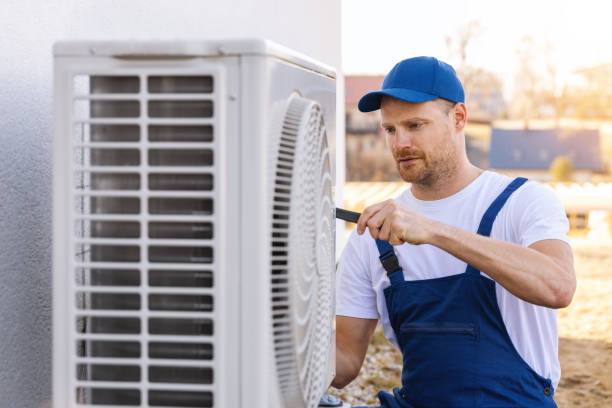
Creating a comfortable home environment requires more than simply having a heating or cooling unit. A properly designed climate control system helps maintain consistent temperatures, improve ventilation, and support better indoor air quality. Whether you are constructing a new property or replacing outdated equipment, investing in professional HVAC installation can make a significant difference in your home's comfort and energy efficiency.
Modern HVAC systems are designed to provide reliable heating and cooling while helping homeowners manage energy consumption. However, selecting the right equipment and ensuring it is installed correctly requires careful planning. Understanding the essential aspects of installation can help you make better decisions and avoid unnecessary expenses.
Understanding Your Home's Heating and Cooling Needs
Every property has unique heating and cooling requirements. Before selecting an HVAC system, it is important to understand the factors that influence indoor temperature and airflow.
Property size is one of the primary considerations. Larger homes generally require different equipment capacities than smaller properties. However, square footage alone does not determine the appropriate system size. Insulation, ceiling height, window efficiency, building orientation, and local weather conditions also affect heating and cooling demands.
A professional HVAC assessment helps identify these requirements. Technicians can perform load calculations to determine the equipment capacity needed to maintain comfortable temperatures without unnecessary energy consumption.
Exploring Different Types of HVAC Systems
Homeowners have several options when choosing new heating and cooling equipment. Each system offers different features and installation requirements.
Central HVAC Systems: These systems distribute conditioned air throughout a property using a network of ducts. They are suitable for homes that already have compatible ductwork and require centralized temperature control.
Heat Pumps: Heat pumps provide both heating and cooling by transferring heat between indoor and outdoor environments. They can be an energy-efficient option in suitable climates.
Ductless Mini-Split Systems: These systems use individual indoor units connected to an outdoor compressor. They are particularly useful for homes without existing ductwork or for properties requiring independent temperature control in different rooms.
Furnace and Air Conditioner Combinations: This setup combines a heating furnace with a separate cooling system, providing year-round climate control.
Choosing the right option depends on your home's layout, climate, budget, and energy efficiency goals.
Key Steps Involved in HVAC Installation
Professional HVAC installation involves multiple stages that require technical knowledge and attention to detail.
1. Initial Inspection
The installation process begins with an evaluation of the property. Technicians examine existing equipment, ductwork, insulation, ventilation, and electrical infrastructure. This assessment helps identify any improvements required before installation.
2. Equipment Selection
Based on the inspection, professionals recommend an HVAC system that matches the property's requirements. Homeowners should compare equipment capacity, energy efficiency, operating costs, and available features.
3. Preparing the Installation Area
Before installing new equipment, technicians prepare the designated locations. If an older system exists, it is safely disconnected and removed. Necessary adjustments to ductwork, electrical connections, and drainage arrangements may also be completed.
4. Installing the New Equipment
The indoor and outdoor components are positioned and connected according to manufacturer guidelines. This process may involve refrigerant lines, electrical wiring, ventilation connections, thermostats, and drainage systems.
5. Testing and Final Adjustments
After installation, technicians test the system to verify that all components operate correctly. They check airflow, temperature settings, electrical connections, and overall system performance.
Benefits of Investing in Professional HVAC Installation
A professionally installed HVAC system offers several long-term advantages for residential properties.
- Improved Comfort: Proper equipment sizing and installation help maintain consistent indoor temperatures.
- Greater Energy Efficiency: Correct installation reduces unnecessary strain on heating and cooling components.
- Better Airflow: Properly configured ductwork and ventilation support balanced air distribution.
- Fewer Operational Problems: Following manufacturer guidelines helps reduce issues caused by incorrect installation.
- Long-Term Reliability: Professional setup and regular maintenance can support dependable system performance.
- Modern Temperature Control: Newer systems may include programmable thermostats and smart home compatibility.
These benefits make professional installation an important consideration for homeowners planning to improve their indoor environment.
How to Improve HVAC Energy Efficiency
Even an advanced HVAC system requires proper usage to deliver its expected efficiency. Homeowners can follow several simple practices to manage energy consumption.
First, keep air filters clean and replace them according to the manufacturer's recommendations. Restricted filters can reduce airflow and increase the workload on the equipment.
Second, inspect doors and windows for air leaks. Proper sealing helps prevent conditioned air from escaping and reduces the amount of work required to maintain indoor temperatures.
Third, use programmable thermostat settings to adjust heating and cooling according to daily routines. Avoid unnecessary temperature adjustments that force the equipment to operate excessively.
Finally, schedule routine maintenance to keep essential components clean and operating correctly.
Signs It May Be Time to Replace Your Existing HVAC System
An aging HVAC system may gradually lose efficiency and become more expensive to maintain. Frequent service calls, unusual noises, inconsistent temperatures, and increasing electricity bills can indicate that the equipment is no longer performing effectively.
Weak airflow and repeated thermostat problems may also suggest underlying system issues. Although some problems can be resolved through repairs, persistent performance concerns may justify considering a replacement.
A qualified technician can inspect the existing equipment and help determine whether repairing or replacing the system is the more practical option.
Choosing a Dependable HVAC Installation Provider
Finding the right contractor is essential for achieving a successful installation. Homeowners should prioritize companies with relevant experience, qualified technicians, transparent estimates, and a clear understanding of modern HVAC technologies.
Before making a decision, ask about installation procedures, equipment warranties, maintenance recommendations, and any additional work that may be required. Checking customer reviews and verifying applicable credentials can also help establish confidence in a service provider.
Berico is one option homeowners can explore when researching professional heating and cooling services. Working with an experienced provider can help ensure that equipment selection and installation are approached with attention to property requirements and long-term performance.
Conclusion
Professional HVAC installation is an important investment in residential comfort, energy efficiency, and dependable climate control. By evaluating your property's requirements, selecting appropriate equipment, and relying on qualified installation professionals, you can create a more comfortable indoor environment.
Regular maintenance, efficient thermostat settings, and proper airflow management will further support system performance. With the right planning and equipment, homeowners can enjoy reliable heating and cooling while managing long-term operating expenses.
